








Are Folding Cartons Recyclable? A Practical Design Guide
While a lot of clean paperboard folding cartons may be accepted into a paper recycling system, the words paper Box do not mean it will be accepted everywhere. The results are affected by local collection laws, sorting technology, coatings, attached components and the amount of food residue and the condition of the carton. Brands should consider designing for the recovery system of intended use and validate claims in all markets where they are sold before printing on pack.

Recyclability is a System Result
A package can only be useful in a recycling system if consumers know where to send it for recycling, it is picked up, its sorting equipment puts it in the paper stream and a mill accepts the recycled fiber. Infrastructure and local policy are equally important, and design has an impact on this chain.
That is why material‑level statement may not be complete. Some features may be technically separable but cannot be separated by the consumer, and recyclable carton features may not be recovered when collection is unavailable.
Watch the Carton on its Recovery Journey.
Collection
Consumer opens carton and puts it in the stream collected by their local authority or service provider. The clear Instructions should reflect the true situation of the system and not on a global assumption.
Sorting
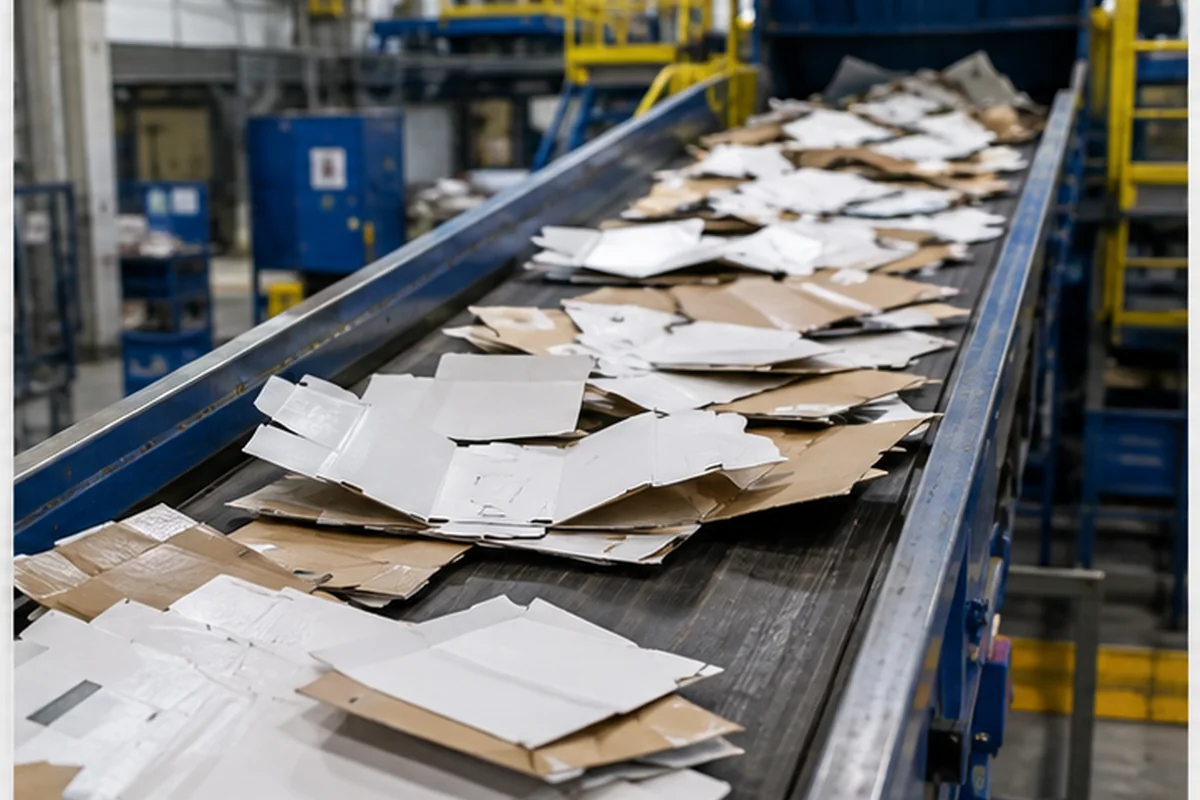
Material collected is sorted by type. Very small pieces or some unusual shapes or a carton part that is mostly not paper may have different characteristics from a conventional carton. The package is easy to handle when it's still recognizable as paperboard.
Reprocessing
Paper is added to water to allow the usable fibers to be recovered. During the process inks, adhesives, coatings and non‑paper components need to be controlled. They don't necessarily make a carton difficult to recycle but the type and quantity of them do.
New Paper Products
Recovered fiber is used to produce new products based on the mill capability and quality of the recovered fiber. Fiber does not circulate indefinitely, and recovered material can as well as responsibly sourced virgin material have a part in a larger circle of paper.
The Paperboard Base Is Only the Beginning
Whilst the appearance and performance of the SBS and kraft paperboards and recycled paperboards are different, the recyclability claim cannot be just based on the grade name. Request full material specification (including coatings, laminates, adhesives, windows and inserts).
The thickness of the board should be dictated by protection and conversion requirements. While minimizing unneeded material is good, specifying a carton that is not large enough and wastes the product is no better.
How Coatings and Laminations Change the Question
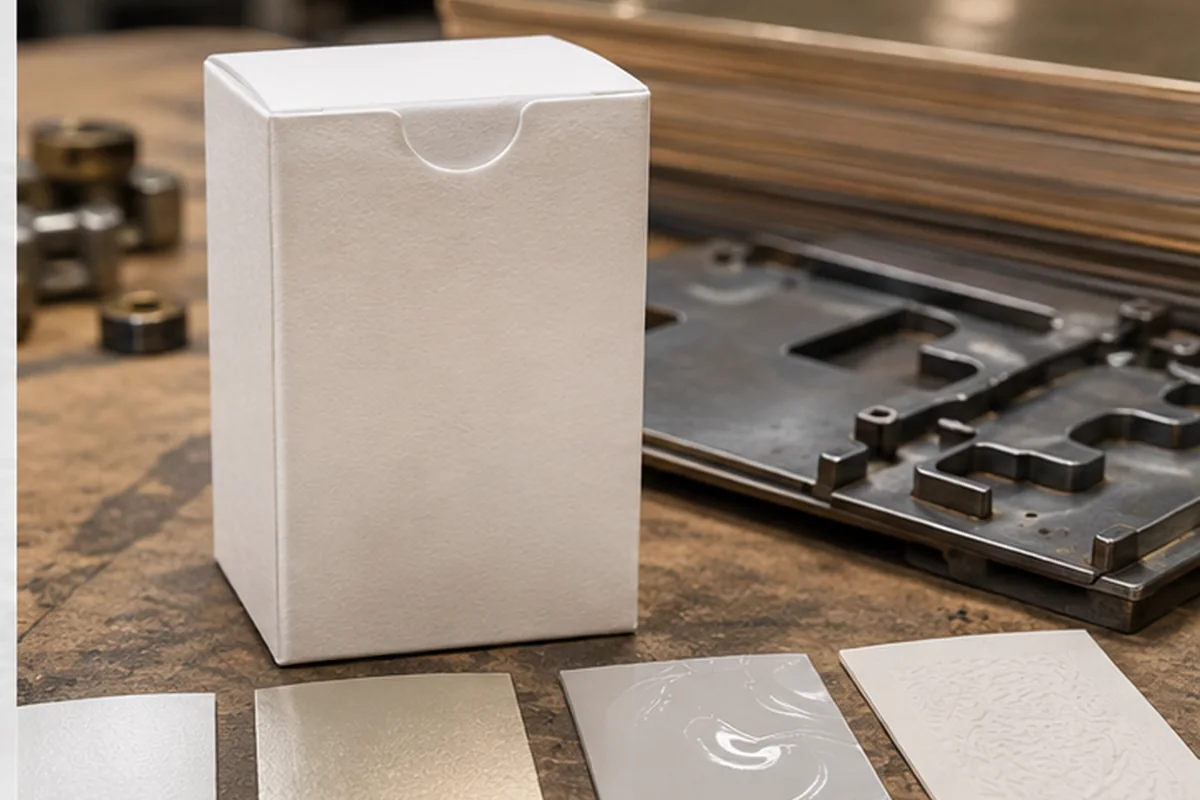
Print protection and surface effects can be obtained by using water‑based or other coatings. Plastic film lamination may be used to make it look better or more hard wearing, but in so doing it also provides a bonded layer. Additional performance requirements are introduced for barrier coatings for food, or moisture sensitive products, etc.
Never judge a carton by the feel of it or by its appearance. Ask for supplier evidence of the build‑up and for market specific recyclability assessment when making an on‑pack claim. A general statement such as “coated paper” will not suffice.
Windows, Foil and Other Components
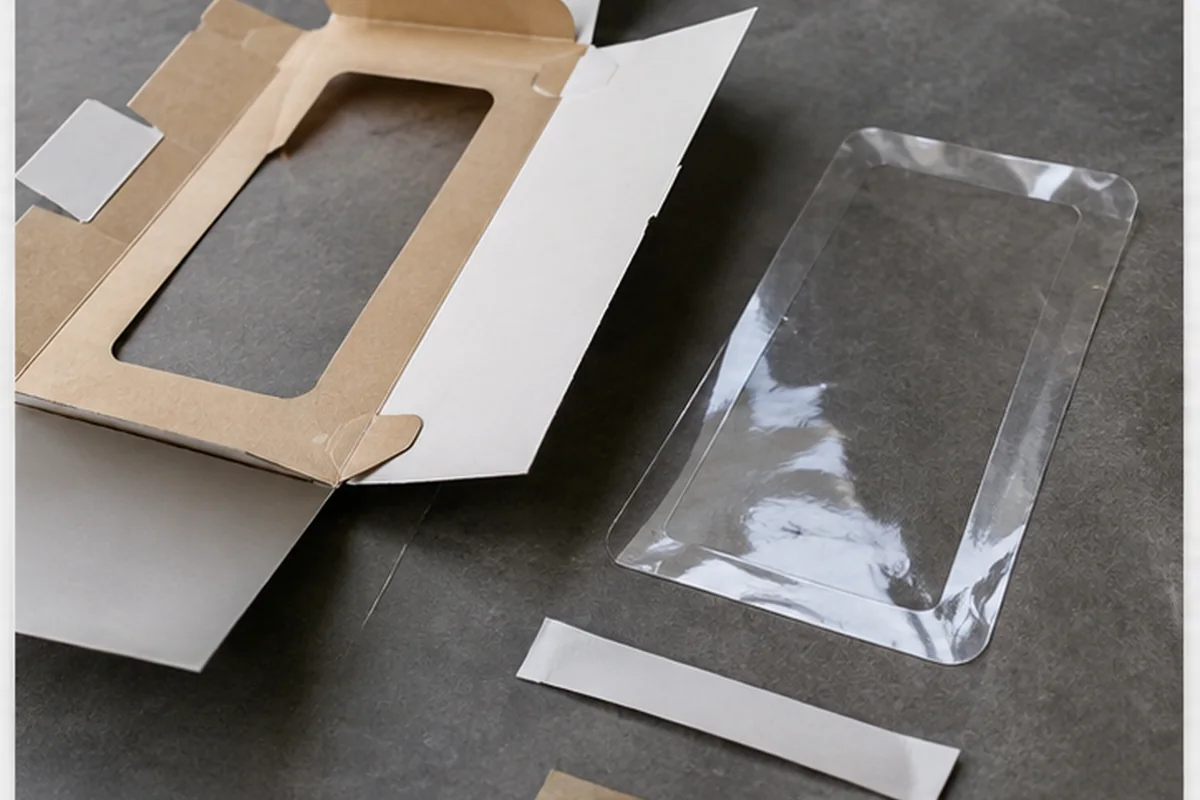
The window can be either open or covered with film. Foil stamping involves affixing a decorative lamination and a large laminated metallic surface is a different construction. A package with magnets, foam, ribbons or plastic gripping features or complex inserts can cause the package to deviate from a simple paper stream.
Minimize unnecessary and unclear functionality. If a component is required, ensure it is easy to remove and only describe it if it is required to be disposed of separately in accordance with local guidance. There's no point in a tiny instruction if a pack is hard to disassemble.
Product Residue and Contamination
Whether or not a used carton is suitable for paper recycling can be impacted by food, grease, waxes, cosmetics or leaking liquids. The end‑of‑life profile for packaging a separately contained clean product differs from that for board that comes into direct contact with wet or oily product.
Design to prevent leakage, instruct consumers to drain the pack. The brand should not make a blanket statement when it is market rules that determine whether lightly soiled cartons are accepted or not.
“Recyclable” Does Not Mean “Recycled Everywhere”
Collection systems differ from country to country, from state or municipality to state or municipality and they evolve over time. The U.S. Environmental Protection Agency (EPA) recommends that consumers consult their local recycling programs about what is accepted, as this varies. When providing instructions for recycling to the U.S. population, use the EPA guidance about what can commonly be recycled and verify the market.
In other countries consult the responsible national and local programs, and the review of the brand in the country. If the distribution is across markets, it's better to use variable Labelling or market specific artwork than a general claim.
Design for Easier Separation
Where function permits retain paperboard as the predominant, visible material.
Eliminate ornamental parts that do not provide cover or a means of communication.
Avoid stacked layers if not essential to product performance.
Only use removable components when consumer is able to find and easily remove it.
Try to never put disposal directions in a place that will be ripped up when the pack is opened.
Use sufficient contrast and legible text for end‑of‑life instructions.
Ensure inks, coatings and adhesives are compatible with chosen recovery path.
Test protection and end‑of‑life design; damaged products have their cost.
Back Up Green Claims with Evidence
Recyclable, recycled content, compostable and biodegradable refer to various properties. One does not prove another. Kraft is a style statement – not about being recyclable or recycled fiber. Similarly, the word green and the leaf symbol must not suggest good things if there is no evidence in the specification to substantiate this.
Maintain supplier declarations and material data including assessments related to the final material or item code. If a coating, window or board changes, re‑check the claim. The environmental marketing legislation varies between countries and claims must be updated consistently with the prevailing marketing environment.
Market Confirmation Checklist
| Question | Evidence to collect |
| What is the full carton? | Board, coating, ink and adhesive/component specification |
| Has the carton been used? | Assessment of leakage and product‑contact. |
| What collection stream is available? | Local guidance for the current programme. |
| Are there parts to be stripped out? | Consumer separation method which has been tested. |
| Is there a claim to be made on the package? | Compliance with the applicable law and substantiation review. |
| Will the pack be sold in multiple markets? | Market‑by‑market artwork decision |
| Is there an alteration to the structure? | New examination based on a new and approved specification. |
Recyclability is not a default adjective, but should be considered as a design and market verification task. A more streamlined design and unambiguous disposal instructions and specification control provide buyers with a more defensible basis for making responsible packaging choices.