



What is the Best way to select the Folding Carton Structure?
Start with the product and packing operation and go out to the folding carton, determining what product is being packed then to what it feels like to open something and to what the shelf will look like. A structure that is attractive to the photographer may not be effective since it is unable to hold the product, slows down during packing line or has excessive waste area. The field may be narrowed down to five questions before the decoration.
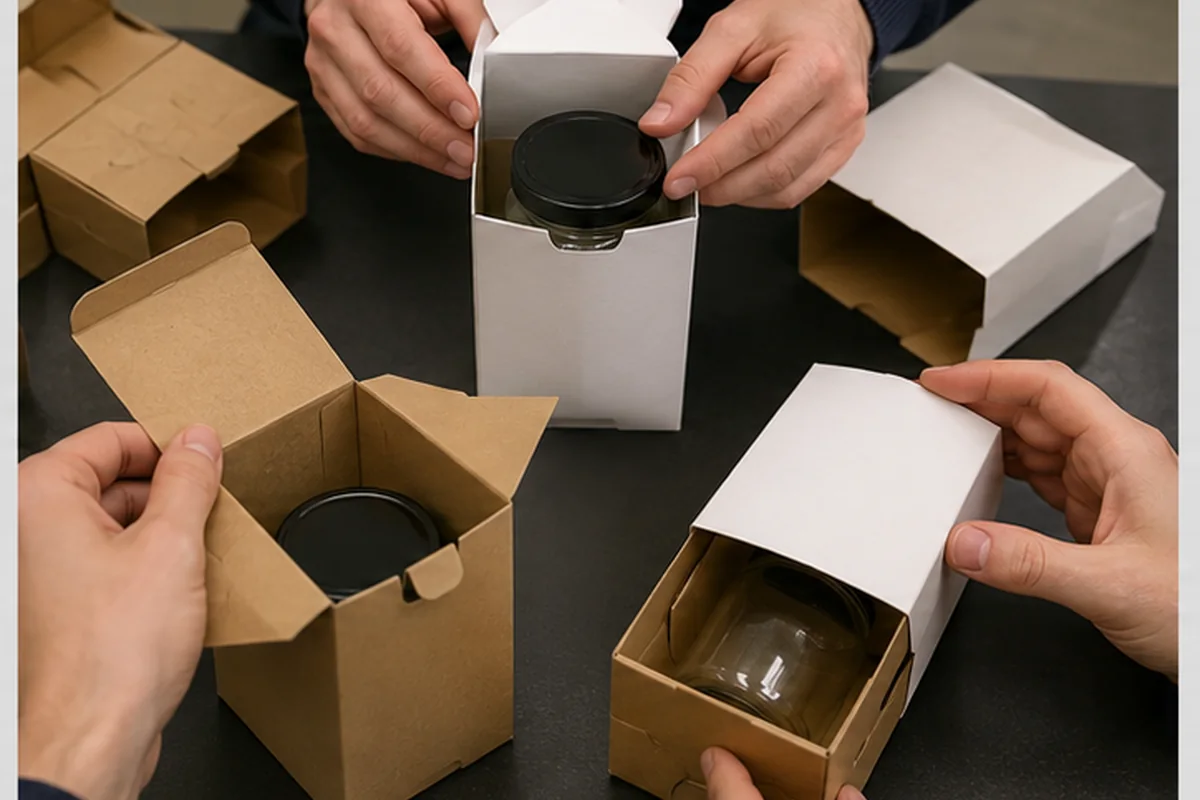
Carton Question 1: What Is in the Carton?
Record the maximum sizes, weight, center of gravity, fragility and sensitivity of the product. These various requirements on the carton are presented by a flexible tube, glass bottle and multi-part kit. Note the existence of a primary packaging of the product and leaks, sharp edges or movement potentials.
Identify allowable clearance but do not include excess space. Too little can result in hard insertion; excess can result in impact and prevent the pack from feeling filled. Treat the product, insert and outer carton as a single system.
Question 2: Where in Structural Support Do we have to be?
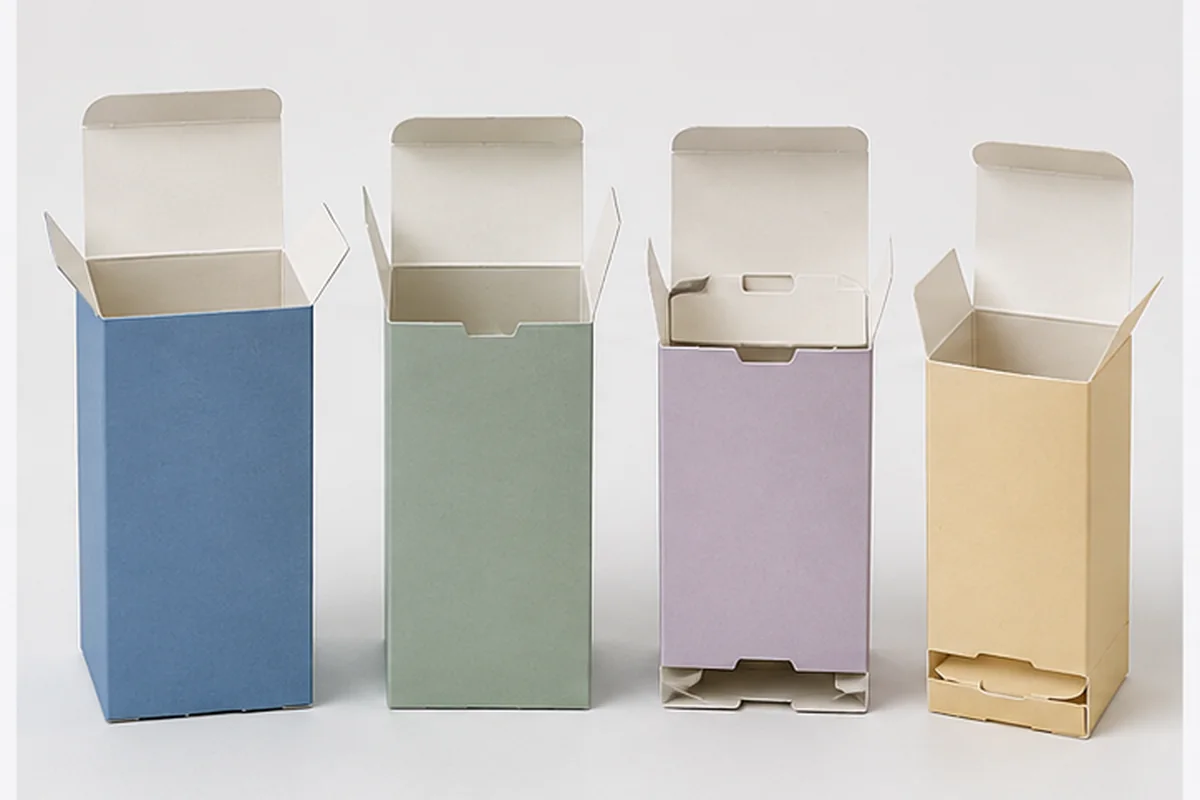
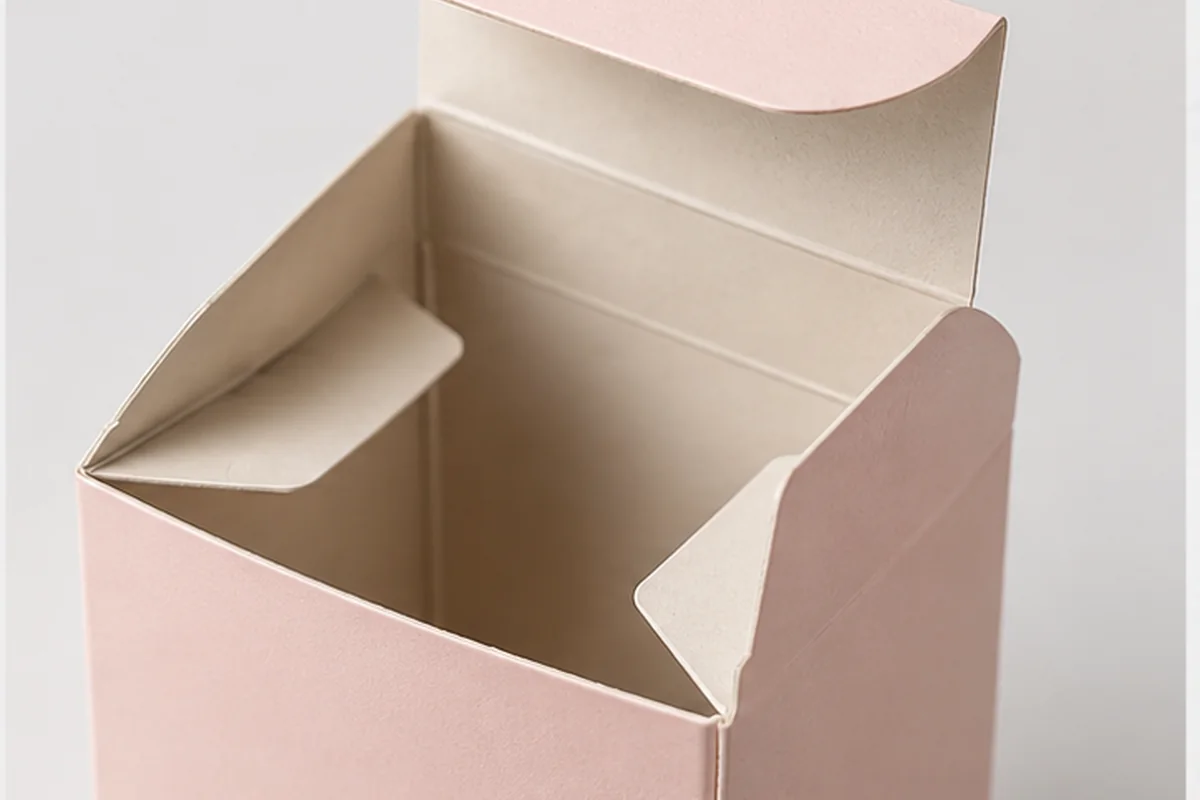
Trace the way of loading of product to base and stacked carton to carton. Tuck closures can be used with light weight products. An auto-lock bottom, snap-lock bottom or internal reinforcement, might be necessary to support heavy or overweight contents, and must be tested.
Hanging cartons require an area of header which supports the loaded cartons. The panels are cut with cutouts of windows. Handles concentrate stress. Never forget that to balance a bad structural concept with the specification of thicker board only re-structures geometry and loading distribution.
Question 3: Fill and close the Carton?
Manual Packing Route.
When using manual packing, remember each hand manipulation. A snap-lock base may be adequate at low or medium speed, but at high speed, a complicated sequence may result in high cost of work and unreliable sealing. Having orientation and product insertion is important.
Semi-Automated Route
Depending on the nature of equipment directions, application adhesive and operator access determines what flaps will be relied on. Share machinery limitations with the carton supplier prior to the dieline being approved.
Automated Route
Uniform blank size, geometry and fold properties of closures are generally needed to achieve quick cartoning. Even a seemingly simple change in design to a graphic department can disrupt feeding or sealing. Check specific construction in target line.
Question 4: What Should Opening Show?
Repeated opening is made by an open ended tuck top. A closed pack is prioritized by a glued end but this is not necessarily tamper evident. It can have a perforation or tear characteristic that can provide an intentional initial opening, in a manner accessible to the user.
Choose whether the consumer is to be presented with the product on the spot, a tray to slide out or have a layer of information. The brand experience involves the introductory sequence that does not need to be an issue to access or damage to the product.
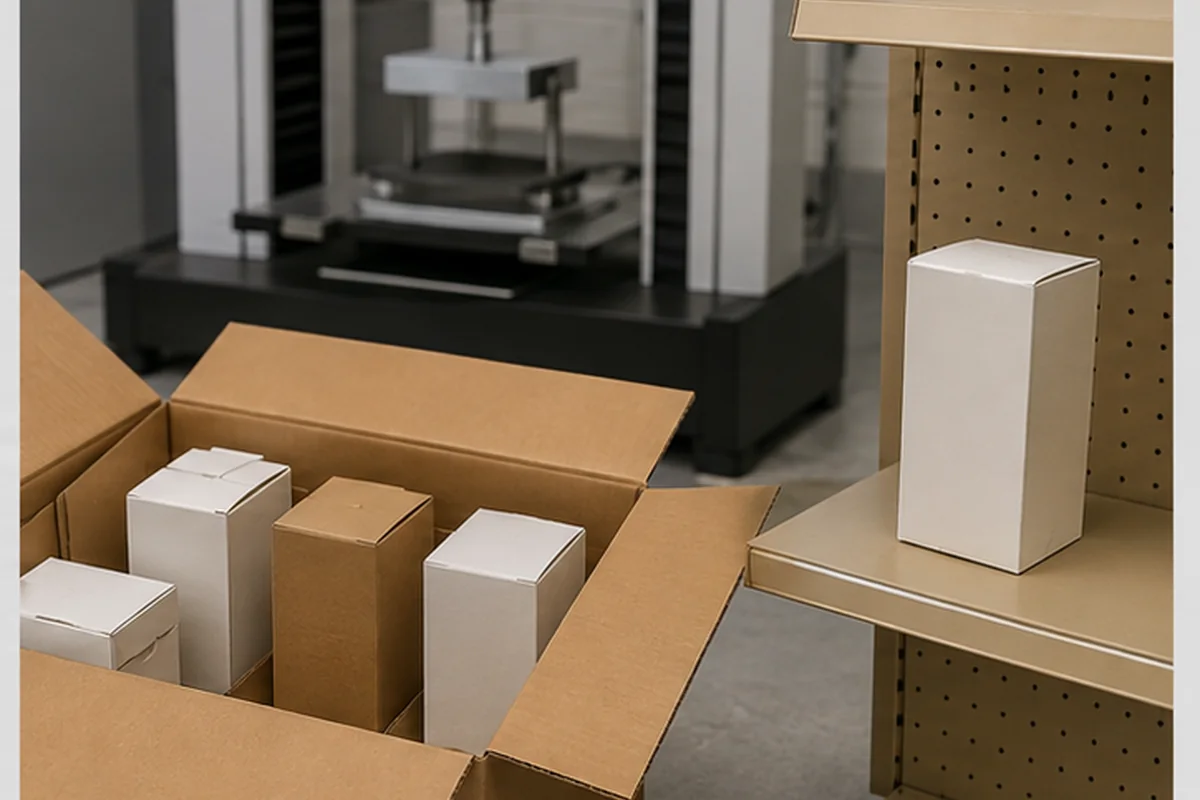
Carton Question 5: How Will It Ship and Sell?
Retail shelf packs need facings to be stable readable panel and size that fits within the merchandising limits. E-commerce provides a requirement of managing parcel and could be in need of an outer shipping solution; lightweight retail carton cannot be assumed a Shipping Box.
Take into consideration case packing, pallet pattern, humidity exposure and stocking in warehouses. Different carton additions in terms of few millimeters can translate into a saved case and pallet. Evaluate the complete distribution system.
Start Following Paths of 1,2 or 3.
Route A: Efficacious Retail Carton.
Use a straight or reverse tuck structure in the situations when product is light, filling is easy and flat delivery is a significant matter. Optimizing flap size, board and panel orientation via sampling.
path B: Bearing Bottom.
An auto-lock or snap-lock bottom may be needed in case the bottom will need more security. Decide between quicker erection and easier converting by gauging actual pack-out circumstances.
Route C: Presentation or Multi-Part Pack.
Prepare a sleeve and tray, a window, handle or built-in insert in the middle of the reveal of the product or organization. Take into consideration added parts, assembly and material separation.
Modify Structure to Actual Equipment.
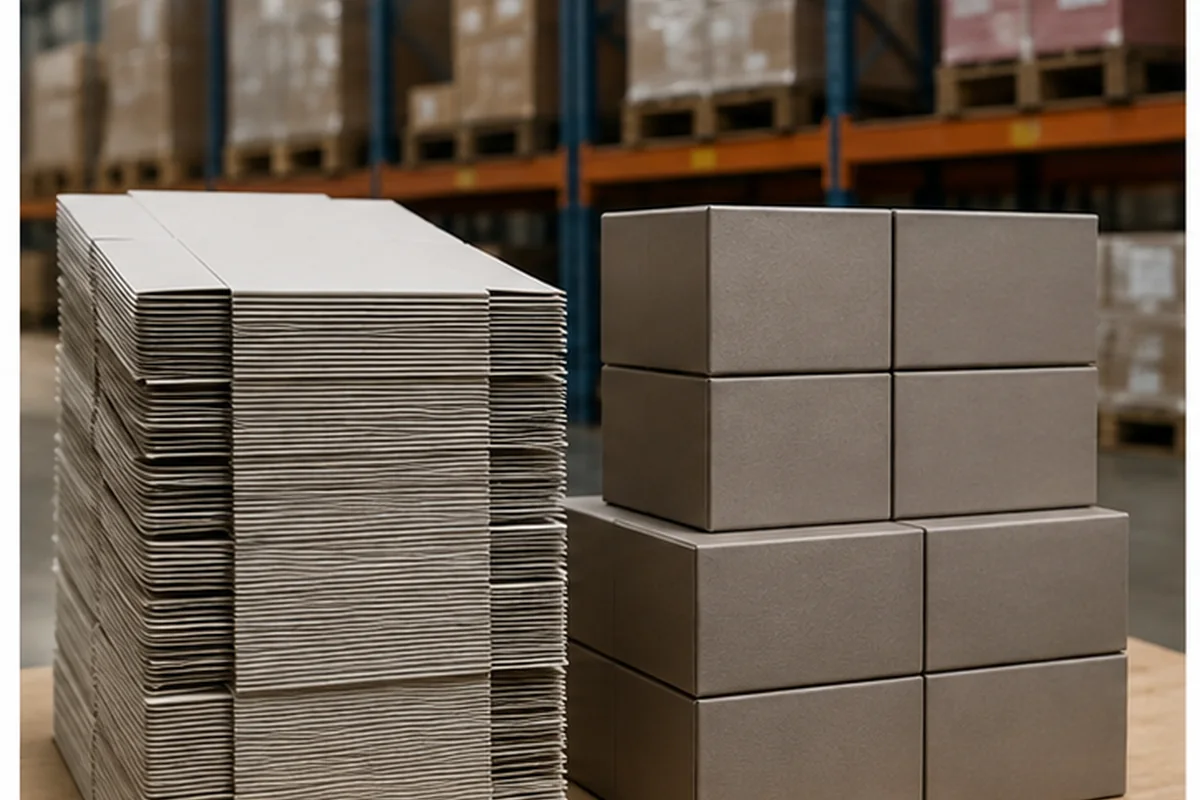
Request the filling crew to specify minimum and maximum blank size, direction of feeding, method of glue, compression points and speed anticipations. Make sure that cartons are in the flattened style and with glue on the cartons. When it comes to hand packing, involve the fulfillment partner at the initial phases.
A production test is more informative than a statement that a design is machine compatible. A specific blank, material and machine setup and operating window is the compatibility.
Three Round Prototyping.
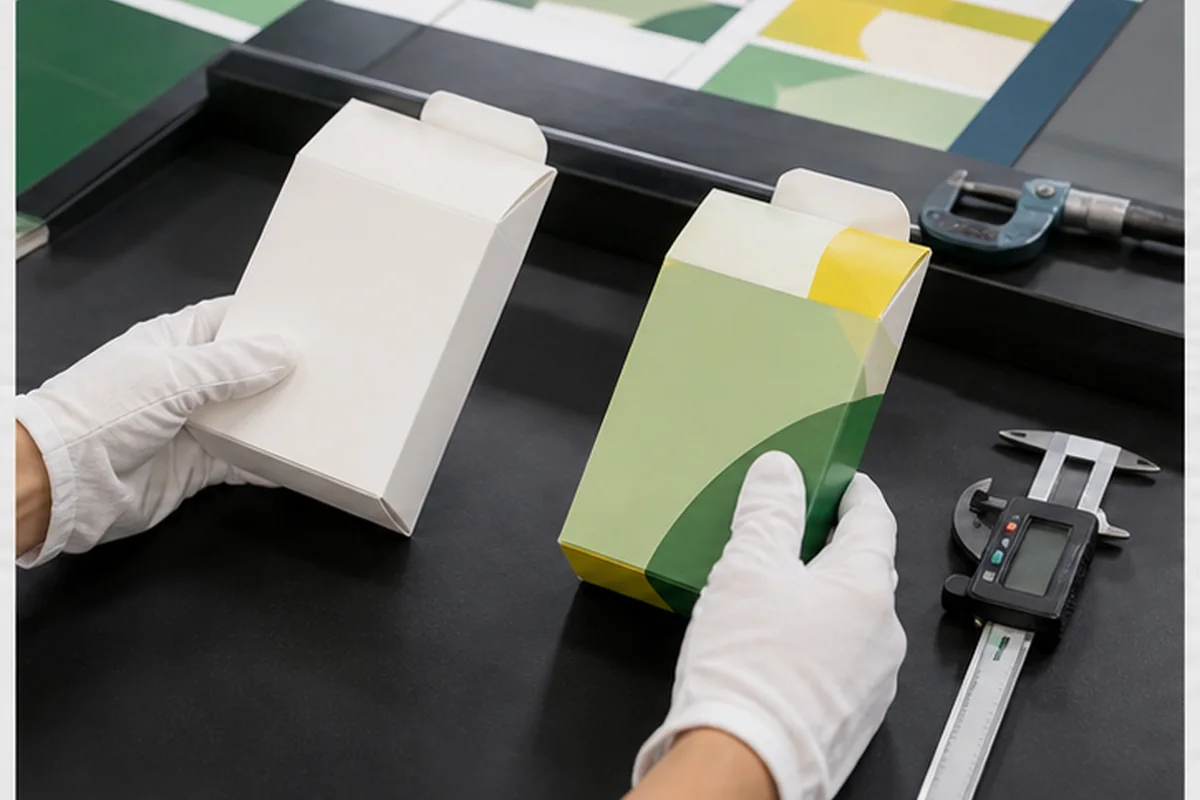
Primary check fit, assembly in a simple structural sample. Look at a sample or print mockup of the artwork next in terms of hierarchy, orientation of the panels and the location of barcodes. Finally, evaluate a representative sample using the intended production board, print and finishing where reasonable to do so, based on risk.
A sample size should not be restricted to the most appealing unit but a number of samples need to be tested. Opening, closing and packing. Send failure points, dimensions and photograph observations to the supplier.
Avoid These Structural Selection Mistakes.
Selecting an assembled photo without a request of the dieline.
Using the dimensions of the outer and inner as interchangeable.
A crease or high-load panel addition includes an addition of a window.
Choosing an intricate base with no determination of labor on assembly.
Accepting artwork before the structure and panel alignment.
Assuming the survival of a retail carton in the parcel shipment.
Solving a geometry or clearance problem by using heavier board.
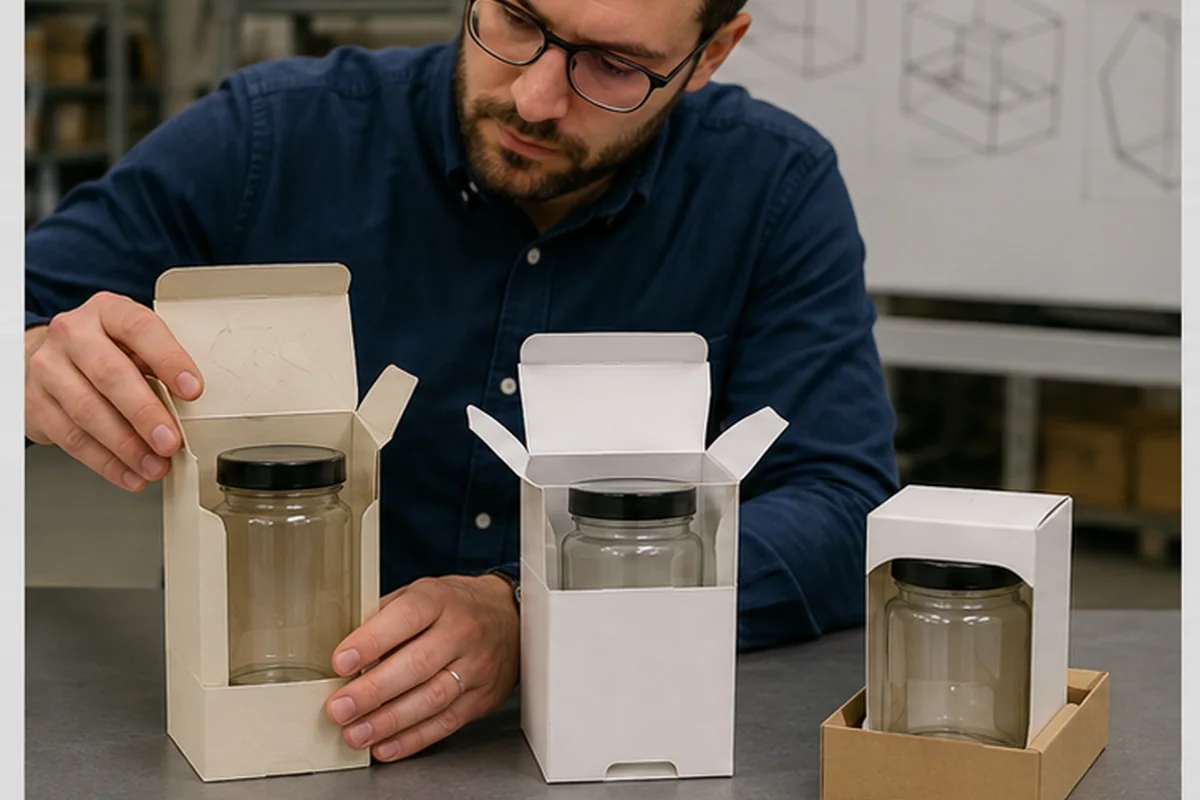
Build a Structure Brief and then, find a Quote.
| Decision field | Information to provide |
| Product | Dimensions, weight, fragility and physical sample |
| Fit | Clearance, orientation and insert required. |
| Support | Base, stack, hang and window loads |
| Packing | Construction method and method of building, hand or machine. |
| Opening | Reclose, first-open feature and order of revelation. |
| Channel | Retail, online and case pack and distribution terms. |
| Delivery | Pre-built, pre-assembled and pre-glued cartons. |
| Approval | Evidence of prototype, artwork and production. |
A written response to these conditions defines the right structure. Once the functional structure is proven, graphics and finishes can be built upon it.
Check the Meiyin paper box range for structural references, or provide the product and packing information in a carton brief.