When you're choosing the right cardboard box packaging, there are quite a few things to think about. First off, quality and durability really should be your main concerns. You want boxes that can handle shipping stresses and the weather—stuff like rain or rough handling—without falling apart. A solid Cardboard Box is key to keeping your products safe. Also, don’t forget to consider the size and shape of your items—sometimes customizing boxes to fit can actually cut down on shipping costs and cut back on waste. Win-win, right?
If you look into companies like PackCo or BoxMasters, you’ll find all kinds of options. It’s worth digging into what their materials are made of—knowing what works best for your specific needs will make things easier. Keep in mind, not all cardboard is created equal. Some offer better insulation, and others might be more eco-friendly. Thinking about what your brand stands for can help steer your choice.
Now, price is definitely a factor, but investing in good quality packaging can actually save you money in the long run—less damage, fewer returns, that sort of thing. Plus, good packaging gives your brand a professional vibe. It shows you care about quality. That said, it’s a balancing act—finding that sweet spot between cost and quality might take some ongoing tweaking. Make sure to review your packaging strategy every now and then—you might find ways to improve it over time.
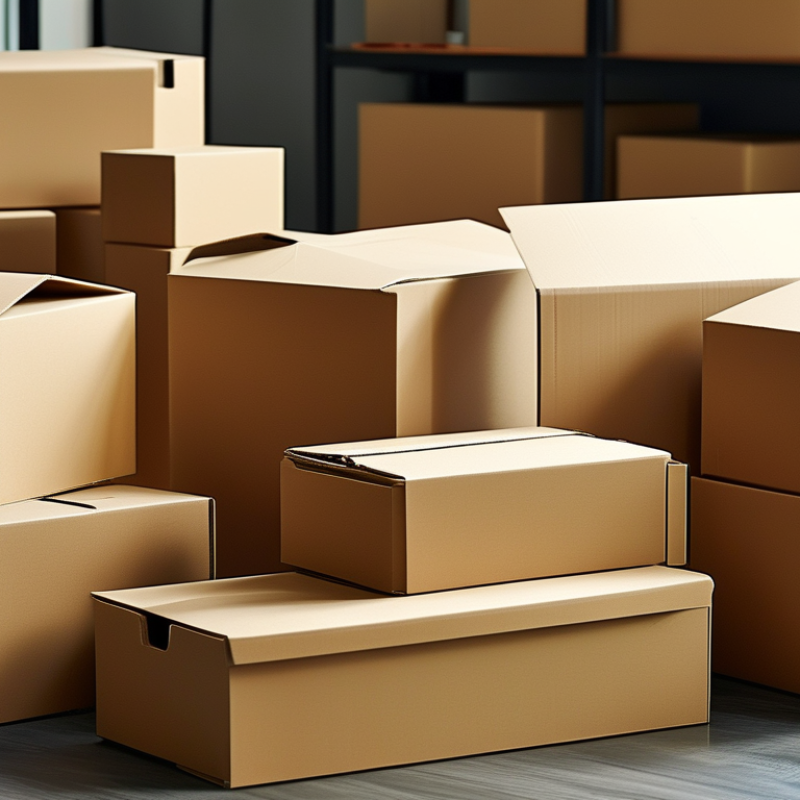
Understanding the Importance of Cardboard Box Packaging in E-commerce
Cardboard box packaging plays a crucial role in e-commerce. It protects products during transit and ensures they arrive in perfect condition. With online shopping's rise, effective packaging has become essential. Customers often judge a brand based on packaging quality. Poor packaging can lead to damage and dissatisfied customers. It's vital to understand how to get it right.
When choosing cardboard box packaging, consider durability and design. Boxes must withstand rough handling during shipping. The right design also enhances brand identity. Creativity in packaging not only captures attention but also encourages customer loyalty. Think about including your logo or unique colors to stand out.
Here are some tips for effective Cardboard Box Packaging Design. Use appropriate box sizes to minimize movement and prevent damage. Test your packaging solutions regularly to ensure they meet shipping standards. Don't hesitate to make adjustments based on feedback. Observing how your boxes perform can lead to valuable insights. Small changes can make a big difference in customer satisfaction.
Key Factors to Consider When Choosing Cardboard Box Materials
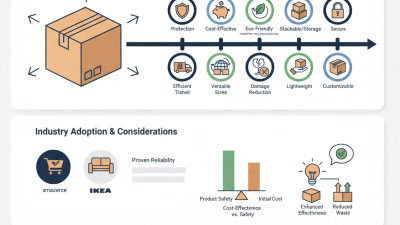
Choosing the right materials for cardboard box packaging is crucial for businesses. The type of cardboard used can significantly impact product safety and transportation efficiency. According to a recent report by Smithers Pira, around 75% of consumer products rely on cardboard for shipping. This highlights the necessity of understanding material properties when selecting packaging solutions.
When evaluating cardboard materials, consider strength and durability. For instance, single-wall cardboard is suitable for lightweight products, while double-wall options provide added protection for heavier items. A study by the Paper and Packaging Board indicates that nearly 70% of consumers prefer packaging that is eco-friendly. Using recycled fibers can enhance sustainability while maintaining performance.
Moreover, Custom Cardboard Box Packaging offers versatility in design. Customization can optimize space and minimize waste, but it requires careful planning. Businesses often overlook dimensions that ensure a snug fit. This oversight can lead to product damage and increased shipping costs. Balancing cost, sustainability, and protection is essential for effective packaging solutions.
Evaluating the Strength and Durability of Cardboard Boxes
When assessing the strength and durability of cardboard boxes, it's essential to consider several factors. The burst strength and edge crush test (ECT) ratings are two critical metrics. High-Quality Cardboard Box Packaging usually boasts a higher ECT, often over 32 ECT for industrial use. This measurement indicates how much pressure the box can withstand before failure. Poor-quality boxes may crumble under weight, risking product damage during transit.
Additionally, moisture resistance plays a significant role. Cardboard that lacks treatment can absorb water, weakening its structural integrity. Reports suggest that up to 25% of product loss in shipping results from improper packaging. Choosing a box with moisture-resistant qualities can help mitigate this risk. However, not all seemingly durable boxes are equal. Some may appear sturdy but fail in real-world applications. Regular testing and validation of packaging performance against industry standards are crucial.
It's also vital to consider the weight of the items being shipped. A lightweight product may not require heavy-duty cardboard. Conversely, fragile items need better support. Recent studies indicate that packaging contributes to 30% of transportation costs. Balancing durability with cost-efficiency is a delicate dance. Businesses often must reflect on their packaging decisions to enhance protection without overspending.
The Role of Dimensions and Customization in Packaging Solutions
Selecting the right cardboard box is vital for effective packaging. The dimensions of your box play a significant role in product protection and transportation efficiency. A well-sized box minimizes movement during transit. According to industry reports, 24% of product damage occurs due to improper packaging. This statistic emphasizes the need for precise measurements. Businesses can reduce waste and costs by ensuring their boxes fit the product perfectly.
Customization is equally important in packaging solutions. Custom Cardboard Box Packaging Design allows brands to stand out. Unique designs catch customers' attention and enhance their unboxing experience. Research indicates that 70% of consumers feel packaging influences their purchase decisions. Companies can leverage this to create memorable brand encounters. However, it’s crucial to find a balance in design. Overly complex designs may increase production times and costs. Too simple can lead to underwhelming customer experiences.
Considering both dimensions and customization can enhance packaging effectiveness. Brands must evaluate how well their packaging performs and conveys their identity. Continuous improvement in design and function is essential for remaining competitive. Understanding these factors can significantly impact the overall success of the product in the market.
Cardboard Box Packaging Solutions Analysis
Sustainable Packaging: Eco-Friendly Options in Cardboard Box Selection
Selecting eco-friendly cardboard box packaging is crucial in today's market. Sustainable options are not only better for the environment but also resonate with consumers. According to a report by Smithers Pira, the global market for sustainable packaging is expected to reach $500 billion by 2027. This highlights the growing demand for environmentally responsible packaging solutions.
When choosing cardboard boxes, consider materials that are fully recyclable or made from recycled content. Corrugated cardboard, for instance, has a significant recycling rate of approximately 89%. This means that businesses can contribute to reducing waste while also meeting consumer preferences. Opting for biodegradable inks and adhesives further enhances the sustainability aspect. However, achieving 100% eco-friendliness can be challenging, as certain processes may still rely on non-renewable resources.
It's essential to evaluate the entire lifecycle of packaging materials. Some options may be Labeled as sustainable but could involve intensive production processes that negate their benefits. For instance, while bamboo packaging is often touted as eco-friendly, its sustainability may vary based on farming practices and transportation emissions. Businesses must thoughtfully assess these factors and avoid complacency in claiming sustainable attributes.
How to Choose the Best Cardboard Box Packaging Solutions? - Sustainable Packaging: Eco-Friendly Options in Cardboard Box Selection
| Packaging Type | Material | Recyclability | Sustainability Rating | Cost (per unit) |
| Standard Corrugated Box | 100% Recycled Kraft Paper | Yes | A+ | $0.50 |
| Biodegradable Box | Plant-Based Fiber | Yes | A+ | $0.70 |
| Recycled Chipboard Box | Recycled Paperboard | Yes | A- | $0.45 |
| Windowed Box | Recycled Paper with BOPP Film | Partially | B | $0.80 |
| Mailer Box | Recycled Corrugated Cardboard | Yes | A+ | $0.60 |
Cost Analysis: Balancing Quality and Budget for Packaging
When choosing cardboard box packaging solutions, cost analysis is essential. Companies must balance quality and budget effectively. According to a report by Smithers Pira, the global demand for sustainable packaging is expected to grow at a CAGR of 4.7% from 2020 to 2025. This means the need for economical yet efficient packaging is more pressing than ever.
Investing in high-quality packaging can reduce damages during transit. Studies indicate that nearly 30% of products are damaged due to inadequate packaging. A 10% increase in packaging budget can lower damage costs significantly, showing that quality shouldn't be sacrificed for savings. However, not all businesses can afford this increase. It’s crucial to evaluate the potential long-term savings against the upfront costs of better materials.
Additionally, assessing material sourcing is vital. Local suppliers can reduce shipping costs and lead times, sometimes offsetting material expenses. While this might seem like a smart investment, careful analysis is needed. Sometimes, opting for cheaper materials can lead to higher failure rates and customer dissatisfaction. Reflecting on these aspects can drive more informed decisions. Quality packaging not only protects products but also enhances brand perception, making it a key focus area.
Trends in Cardboard Packaging: Innovations Shaping the Industry
Innovations in cardboard packaging are transforming the industry. According to a recent report by Smithers Pira, the global cardboard packaging market is projected to reach $470 billion by 2024. This growth reflects a rising demand for sustainable and cost-effective solutions. Current trends include lightweight designs that save on material usage while maintaining structural integrity.
Technology is enhancing the cardboard packaging experience. Smart packaging solutions, like QR codes, engage consumers and provide precise product information. Moreover, advancements in printing technology allow for high-quality graphics and branding on cardboard. This appeals to environmentally conscious consumers, as sustainable options are in high demand. Research shows that 67% of consumers prefer brands that prioritize eco-friendly packaging.
When choosing cardboard packaging, consider these tips:
- Evaluate the strength and durability required for your products.
- Select eco-friendly inks and finishes.
- Stay updated on industry standards to ensure compliance.
Despite these innovations, challenges remain. Many businesses still underutilize advancements. They may focus on cost over quality, leading to subpar packaging solutions. It's essential to balance aesthetics, functionality, and sustainability in your choices. This balance ensures that products reach consumers safely while aligning with modern consumer values.
FAQS
: It protects products during shipping and helps maintain their condition. E-commerce relies on effective packaging for customer satisfaction.
Customers often judge a brand based on packaging quality. Poor packaging can lead to damage and a bad experience.
Durability and design are crucial. Boxes should withstand handling and represent the brand well.
Sustainable packaging appeals to conscious consumers. It also helps reduce environmental impact, which is increasingly important.
Use recyclable materials and biodegradable inks. Regularly assess the entire lifecycle of packaging materials for true sustainability.
Achieving full eco-friendliness can be tough. Some supposedly green options may still have negative environmental impacts.
Technology allows for features like QR codes and high-quality prints. These innovations engage customers and enhance branding.
Some prioritize cost over quality. This can lead to ineffective packaging that fails to protect products.
Test packaging frequently. Gather feedback to make adjustments that boost customer satisfaction and product safety.
Lightweight designs and smart packaging solutions are emerging trends. These address both cost and environmental concerns.
Conclusion
In the realm of e-commerce, understanding the significance of Cardboard Box Packaging is crucial for ensuring product safety and customer satisfaction. When selecting cardboard box materials, it's essential to consider factors such as strength, durability, and the specific dimensions needed for your products. Customization options play a vital role in creating a branding experience while also maximizing space efficiency.
Moreover, as sustainability becomes a priority, eco-friendly cardboard packaging solutions are gaining traction in the industry. Balancing quality with cost is necessary to maintain budget-friendly operations. Keeping an eye on the latest trends and innovations in cardboard packaging can help businesses stay competitive and meet evolving consumer demands. Ultimately, making informed choices about Cardboard Box Packaging can enhance both the delivery process and the overall customer experience.