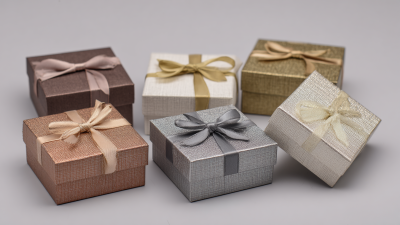
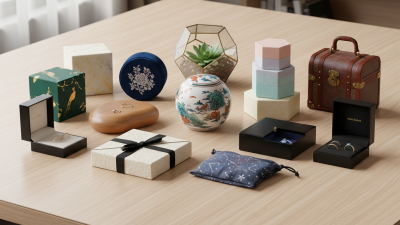
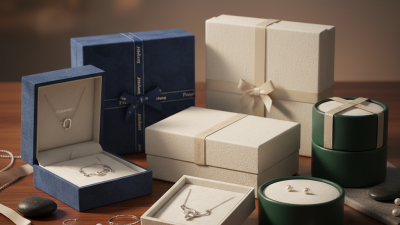
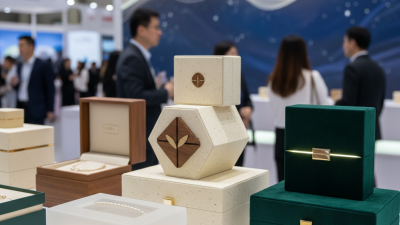
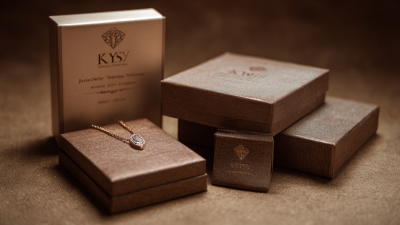
Hey, have you noticed how much the jewelry packaging scene is changing lately? As customers get pickier, the importance of a good Jewelry Package Box really can’t be overstated. I read somewhere that, according to Research and Markets, the global market for jewelry packaging is expected to hit around $15 billion by 2026, which shows how much people are craving packaging that’s both pretty and protective.
Industry pro Mark Thompson, the CEO of Elegant Wraps, put it perfectly: "A Jewelry Package Box isn’t just a box—it’s part of the whole buying experience." More and more, buyers want packaging that makes their jewelry look even better in their eyes. That means brands need to really think about their packaging choices.
But honestly, picking out the right Jewelry Package Box can feel a little overwhelming. With so many designs, styles, and materials out there, it’s easy to get confused. Finding that sweet spot between classy and practical is key. Looking at current trends and what customers seem to prefer can really help in making smarter choices. Putting money into good quality packaging isn’t just about protecting the jewelry—it also shows your brand cares about quality and details.
Importance of Packaging in the Jewelry Industry: A Statistical Overview
Packaging plays a crucial role in the jewelry industry, influencing buyer behavior significantly. According to industry reports, about 72% of consumers believe that packaging design affects their purchasing decisions. This statistic highlights the critical connection between packaging and customer attraction. Attractive packaging creates a memorable unboxing experience, leading to increased brand loyalty.
The luxury market emphasizes this aspect. A study revealed that over 60% of luxury consumers expect the packaging to reflect the product's exclusivity. High-quality materials and innovative designs can evoke a sense of prestige. Moreover, nearly 50% of consumers are willing to pay more for jewelry that comes in elegant packaging. This indicates a clear message: effective packaging not only enhances product perception but also boosts potential profits.
However, some brands overlook the importance of sustainable packaging. A recent survey found that 45% of customers prefer eco-friendly options. Ignoring this trend risks alienating a significant segment of the market. Brands must strive for a balance between aesthetics and sustainability to appeal to modern consumers. Consequently, the jewelry industry must continually adapt to meet evolving customer expectations regarding packaging.
Key Factors to Consider When Selecting Jewelry Packaging Materials
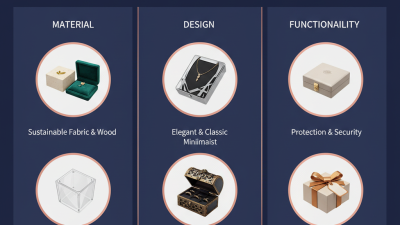
When selecting jewelry packaging materials, consider the first impression your package makes. A well-crafted Custom Jewelry Package Box speaks volumes about your brand's quality. The material choice impacts durability and presentation. For example, high-quality cardboard can offer sturdiness, while plush velvet interiors add a touch of luxury. Additionally, color and design carry emotional weight. A vibrant box can attract attention, while minimalist designs can project elegance.
Next, think about environmental impact. Many buyers appreciate sustainable packaging. Choosing recyclable materials can enhance your brand's reputation. However, sourcing eco-friendly materials isn't always straightforward. Balancing cost and sustainability can lead to compromises. The goal is to maintain quality while being mindful of environmental concerns.
Packaging functionality is equally important. A Custom Jewelry Package Box should protect the contents while being easy to open. Magnetic closures and foam inserts can elevate user experience. However, over-engineering can lead to frustration. Keeping it simple yet effective is key. Reflect on your target audience and their preferences as you design packaging. Consider these factors to create jewelry packaging that resonates with buyers.
The Role of Branding in Jewelry Boxes: Insights from Industry Leaders
Branding plays a crucial role in the jewelry market. A well-designed jewelry box can enhance a buyer's experience. In fact, studies show that approximately 70% of customers are influenced by packaging quality when making a purchase. This suggests that a High-Quality Jewelry Package Box is more than just a container; it's an essential part of the product.
Industry leaders emphasize the importance of aesthetics in packaging. Eye-catching designs can communicate a brand's values effectively. Research indicates that 60% of millennials prefer unique packaging, making custom designs more attractive to this demographic. It’s important for brands to reflect their identity while ensuring the box is functional. Thoughtful designs that balance beauty and practicality create a lasting impression.
However, not all Jewelry Boxes hit the mark. Some may prioritize style over protection, risking damage to the jewelry inside. Quality materials are essential for a reliable packaging solution. Feedback from consumers suggests that durability and elegant presentation are key. Investing in a High-Quality Jewelry Package Box demonstrates commitment to the product and the customer experience, ultimately driving brand loyalty.
Sustainability Trends in Jewelry Packaging: Consumer Preferences and Data
Sustainability is reshaping the jewelry packaging industry. Recent studies indicate that 72% of consumers prefer brands that prioritize eco-friendly packaging. Buyers are increasingly aware of the environmental impact of excessive waste. Therefore, choosing sustainable materials is crucial for brands seeking to appeal to conscious consumers.
Using biodegradable or recyclable materials not only enhances a brand’s reputation but also meets consumer expectations. For instance, a survey revealed that 65% of buyers are willing to pay more for jewelry packaged in sustainable materials. This trend highlights the growing value of eco-friendliness among shoppers. Brands should carefully evaluate their packaging supply chain to minimize their carbon footprint.
Consider opting for minimalist designs that use less material. This approach not only reduces waste but also aligns with contemporary consumer preferences. Another effective tactic is to incorporate refillable packaging options. Offering customers the ability to reuse packaging can cultivate loyalty and reinforce a brand’s commitment to sustainability. Emphasizing transparency about sourcing and manufacturing processes can also build trust with the target audience. Engaging with consumers about their preferences and behaviors can lead to more effective packaging strategies in the long run.
Customizable Options for Jewelry Packaging: Benefits and Market Demand
In today's competitive jewelry market, customizable packaging has emerged as a major trend. Reports indicate that 70% of consumers believe packaging influences their purchase decisions. This emphasizes the importance of choosing the right jewelry package box. Buyers now seek options that reflect the uniqueness of their products. Customization can enhance brand identity and attract customers.
Personalized packaging offers a range of benefits. It allows businesses to convey their brand story effectively. Visual appeal can enhance customer experience significantly. According to industry data, custom packaging can increase perceived value by up to 30%. This can lead to higher sales and increased customer loyalty. However, not all businesses invest in these options, missing out on potential growth opportunities.
While many companies focus on sustainable materials, the challenge remains in balancing cost and quality. Some buyers may prefer standard, less expensive packaging that lacks the charm of customized solutions. Reflecting on these choices is essential for businesses aiming for long-term success in their packaging strategy. Understanding market demand and consumer preferences can guide smarter decisions in jewelry packaging.
Cost Analysis of Different Jewelry Packaging Solutions: A Comparative Study
When evaluating different jewelry packaging solutions, cost is a crucial factor. Many buyers overlook how packaging impacts overall expenses. A basic cardboard box may seem economical, but it often lacks visual appeal. Higher-end options like custom-designed Jewelry Box Packaging may require more investment initially, but they enhance perceived value. This increases customer satisfaction, potentially leading to repeat business.
In comparing various jewelry packaging solutions, consider materials and design choices. Sustainable materials, though pricier, resonate well with consumers today. They convey a sense of responsibility. Simple, elegant designs can effectively communicate luxury, while flashy options might attract attention but feel gimmicky. Balancing cost and quality is key.
Online resources often share comparisons, yet wise buyers should consider hands-on experiences. Try different packaging to understand your target audience's preferences. Collect feedback to refine choices. Relying solely on trends may lead to missteps. Jewelry box packaging should complement the product, not overshadow it. Test different approaches to discover what truly resonates with buyers.
Emerging Technologies in Jewelry Packaging: Innovations and Trends
Emerging technologies are transforming jewelry packaging. Innovation is essential in a crowded market. Today’s buyers value unique presentation. A 2022 report from the Jewelry Packaging Association highlighted that 75% of consumers believe packaging influences their purchase decision. This figure underscores the need for thoughtful design.
Sustainable materials are becoming popular. Brands are switching to biodegradable options. Consumer interest in eco-friendly packaging increased by 65% in 2022. Jewelry packaging should reflect brand values. Custom Jewelry Box Packaging can utilize recycled materials or innovative designs. New printing techniques enhance visual appeal. Digital printing allows for striking graphics and texts. This technology reduces waste and production time.
Automation in packaging processes improves efficiency. Robotics streamline assembly lines, making it faster and cost-effective. However, relying solely on machines raises concerns about quality control. Involving human oversight is crucial. Balancing technology and craftsmanship ensures an excellent end product. The evolution of packaging is ongoing, and brands must adapt to survive. Investing in new ideas is not merely an option but essential for future success.
FAQS
: Sustainable jewelry packaging uses eco-friendly materials. These include biodegradable or recyclable options. It aims to reduce waste.
72% of consumers seek brands that prioritize sustainability. They are aware of environmental impacts from excess packaging.
65% of buyers are willing to pay more. They value jewelry packaged in eco-friendly materials.
Minimalist designs use less material and reduce waste. They also reflect contemporary preferences well.
Offering refillable packaging encourages reuse. This practice reinforces a brand's sustainability commitment.
Cost plays a key role. Packaging should balance expense, visual appeal, and perceived value.
Engaging consumers about their preferences is essential. Collect feedback to refine packaging choices effectively.
Testing various packaging options provides real insights. Relying on trends may lead to poor decisions.
Flashy designs might attract attention but feel gimmicky. Packaging should complement the product, not overshadow it.
Emphasizing sourcing and manufacturing processes builds trust. It can enhance consumer engagement and loyalty.
Conclusion
In the competitive jewelry industry, selecting the right Jewelry Package Box is crucial for enhancing customer experience and brand identity. The importance of packaging can be underscored by statistical data demonstrating its impact on consumer purchasing decisions. Buyers should consider key factors when choosing packaging materials, including durability, aesthetic appeal, and environmental sustainability. Insights from industry leaders reveal that branding plays a significant role in differentiating products, while sustainability trends highlight consumer preferences for eco-friendly options.
Additionally, customizable Jewelry Package Boxes are gaining traction, offering businesses an opportunity to cater to specific market demands. A comparative cost analysis of various packaging solutions can aid businesses in making informed decisions about their investment in packaging that aligns with their brand values and financial goals. Emerging technologies are also influencing the industry, introducing innovations that enhance the functionality and appeal of jewelry packaging, thus shaping future trends.