Leave Your Message
0%

When it comes to distributing your products in a competitive market, picking the right packaging isn’t just a small detail — it’s a big deal. As Jim Reynolds, an expert in the Box Packaging industry, nicely puts it, "The right box doesn’t just keep your product safe; it also shares a little story about your brand." That really hits the nail on the head — packaging isn’t just about protection, it’s about creating a first impression and connecting with your customers.

Choosing the perfect boxes can seem overwhelming, but it’s crucial — it influences shipping costs, customer satisfaction, and even how your brand is perceived. Whether you're running a small shop or managing a big manufacturing operation, understanding the ins and outs of packaging choices can boost loyalty and make your product stand out. By following some straightforward tips and guidelines, you can make sure your products arrive in tip-top shape and leave a lasting impression.

In this guide, I’ll walk you through ten key tips to help you figure out the best packaging options for your products. With a mix of expert advice and practical tips, you'll be better equipped to make decisions that align with your brand’s goals and keep things running smoothly.
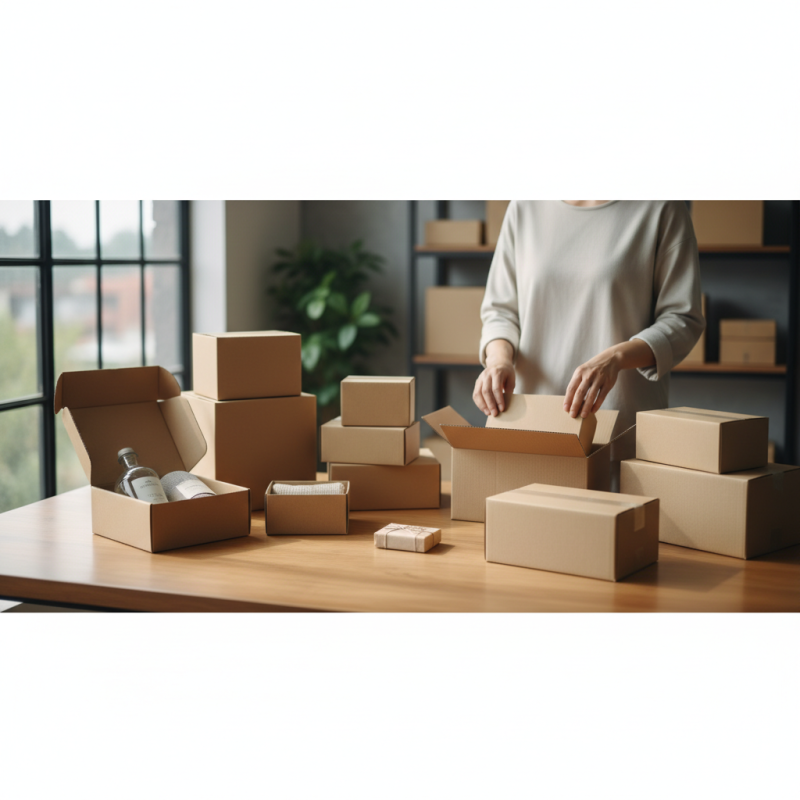
10 Essential Tips for Choosing the Right Boxes for Packaging Your Products

Understanding Your Product Size and Weight for Packaging

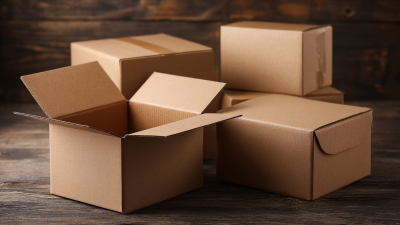
When selecting the right Boxes For Packaging your products, understanding the size and weight of the items is crucial. The dimensions of your product dictate the volume of the box, ensuring a snug fit that minimizes movement during transit. A box that is too large can lead to excessive cushioning materials, increasing shipping costs and the risk of damage due to shifting. Conversely, a box that is too small can result in product deformation or breakage. Therefore, measuring your product accurately is the first step in choosing the appropriate packaging.

Moreover, the weight of your product plays a pivotal role in determining the type of box you need. Heavier items require sturdier materials to withstand both the weight and the pressure from stacking during transportation. Selecting a box with inadequate strength can compromise the integrity of the packaging, increasing the likelihood of product damage. It's essential to consider not just the product's weight, but also any additional packaging materials that will be included, such as padding or protective inserts. Ensuring that your packaging can support the combined weight will help deliver your products safely to their destination.

Evaluating the Material Options for Packaging Boxes

When selecting the right material for your Packaging Boxes, it’s crucial to evaluate various options based on durability, sustainability, and cost-effectiveness. Cardboard is a popular choice due to its lightweight yet sturdy nature, making it ideal for a wide range of products. It can be easily customized in terms of size and shape, providing flexibility for businesses. For heavier items, however, corrugated cardboard, with its layered structure, offers enhanced protection during shipping and handling.

Another material worth considering is plastic, which can provide excellent moisture resistance and durability. This option is particularly beneficial for products that require protection from environmental factors. However, weigh the pros and cons carefully, as plastic is often viewed as less environmentally friendly. In contrast, biodegradable materials are becoming increasingly popular, catering to eco-conscious consumers.

Tip: Always choose a packaging material that reflects your brand's values. If sustainability is a priority for your company, consider materials made from recycled content or those that are biodegradable.

Ultimately, the right choice of packaging material will depend on the unique needs of your product. Evaluate your options and consider how each type can enhance your product’s safety, shelf appeal, and overall brand image.

10 Essential Tips for Choosing the Right Boxes for Packaging Your Products - Evaluating the Material Options for Packaging Boxes

Material Type Strength Level Recommended Use Eco-Friendliness Cost
Cardboard Moderate General Goods Yes Low
Corrugated High Fragile Items Yes Moderate
Plastic Variable Food Packaging No Moderate High
Biodegradable Moderate Eco-Friendly Products Yes High
Wood High Luxury Items Yes Very High

Considering the Shipping Method and Its Impact on Packaging

When it comes to packaging products, the chosen shipping method plays a crucial role in determining the right boxes. According to a report by the Packaging Institute, about 30% of shipping damages are attributed to inappropriate packaging materials that cannot withstand the rigors of transit. Businesses must carefully assess whether they are using ground, air, or sea shipping, as each method has distinct implications for box selection. For instance, air shipping is typically faster, requiring stronger yet lighter materials to minimize shipping costs while ensuring product safety during rapid transit.

Moreover, understanding the logistics behind shipping can significantly affect packaging decisions. The Council of Supply Chain Management Professionals notes that nearly 70% of a company’s logistics costs are tied to transportation. Therefore, choosing boxes that align with shipping methods not only helps mitigate damage but also enhances operational efficiency. Custom-sized boxes that fit products snugly can assist in reducing dimensional weight charges, which are increasingly applied by logistics providers. Thus, businesses must factor in their shipping strategy and select packaging that offers both protection and cost-effectiveness to optimize their supply chain processes.

Assessing Environmental Sustainability in Your Packaging Choices

10 Essential Tips for Choosing the Right Boxes for Packaging Your Products

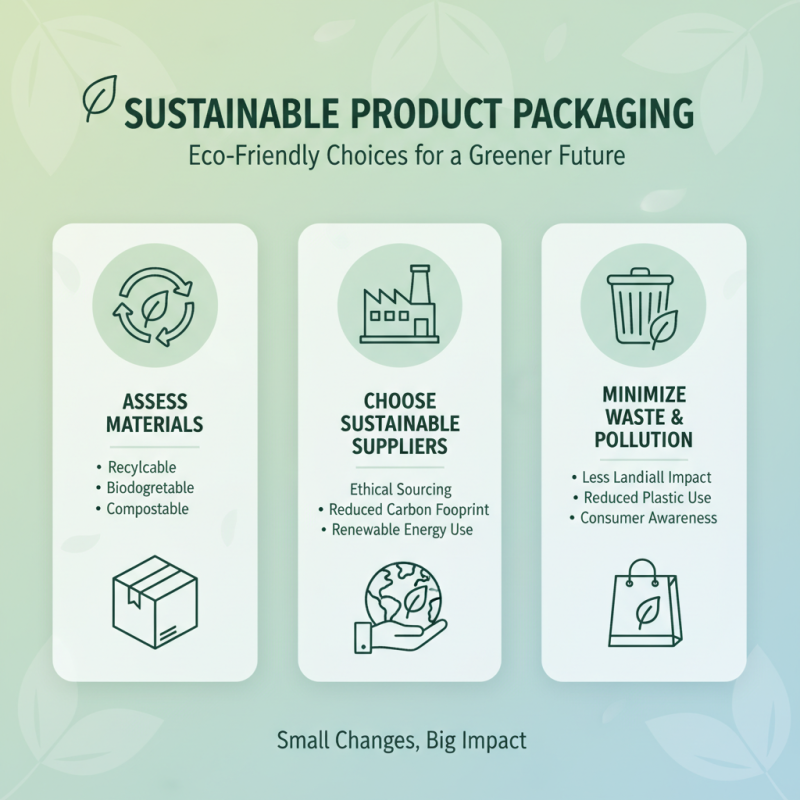
When it comes to packaging your products, considering environmental sustainability is crucial. In today’s market, consumers are increasingly aware of the ecological impact of their purchases, making it essential for businesses to choose packaging that minimizes environmental harm. Start by assessing the materials used in your boxes. Opt for recyclable, biodegradable, or compostable options that can significantly reduce landfill waste. Additionally, look for suppliers who utilize sustainable practices in their production processes.

One of the essential tips for choosing the right boxes is to prioritize size and versatility. Selecting boxes that are appropriately sized for your products can minimize the amount of material used, lowering the carbon footprint associated with production and transportation. Furthermore, consider using modular box designs that can be adapted for various products, reducing the need for multiple types of packaging.

Another important factor is the sourcing of packaging materials. Choose boxes made from sustainably harvested materials, such as FSC-certified paper or cardboard. This not only supports responsible forestry practices but also appeals to eco-conscious consumers. By implementing these practices, you can make a significant contribution to a more sustainable future while also enhancing your brand’s reputation.

Customizing Box Design for Branding and Customer Experience

Customizing your box design is a critical component of creating a memorable brand experience for your customers. A well-designed box can serve as a reflection of your brand’s identity, conveying your values and story at first glance. By selecting colors, materials, and printing techniques that align with your brand aesthetics, you can create a cohesive look that resonates with your target audience. Consider how elements like logos, taglines, and unique graphics can enhance the overall packaging and make it a memorable part of the unboxing experience.

In addition to enhancing brand recognition, custom box designs improve customer satisfaction by adding a personal touch. The tactile experience of opening a beautifully designed box can evoke emotions, making customers feel valued and appreciated. Incorporating thoughtful elements like custom inserts or eco-friendly materials not only elevates the perception of your product but also aligns with growing consumer expectations for sustainability. By investing in a well-thought-out box design, you create a lasting impression that can turn first-time buyers into loyal customers, ultimately fostering brand loyalty and encouraging repeat purchases.

Budgeting for Packaging Costs Without Sacrificing Quality

When it comes to packaging, budgeting is a crucial aspect that can significantly impact your overall business strategy. Understanding the costs associated with different packaging options is essential for maintaining a balance between quality and affordability. Start by evaluating the materials used in your packaging. While it’s tempting to always opt for the cheapest option, invest time in researching sustainable and durable materials that offer both longevity and protection for your products. These may have a higher upfront cost, but their resilience can lead to savings in the long run by reducing damages and returns.

Additionally, consider the cost-per-unit of packaging in relation to your product's pricing. Aim for a packaging solution that fits within your margins without compromising on quality. Bulk purchasing of materials not only reduces costs but also streamlines your supply chain management. Look for suppliers that offer discounts for larger orders while still maintaining high standards for their products. Ultimately, a well-thought-out approach to budgeting for packaging can enhance your brand's image, ensuring that you deliver exceptional value to your customers while keeping expenses in check.

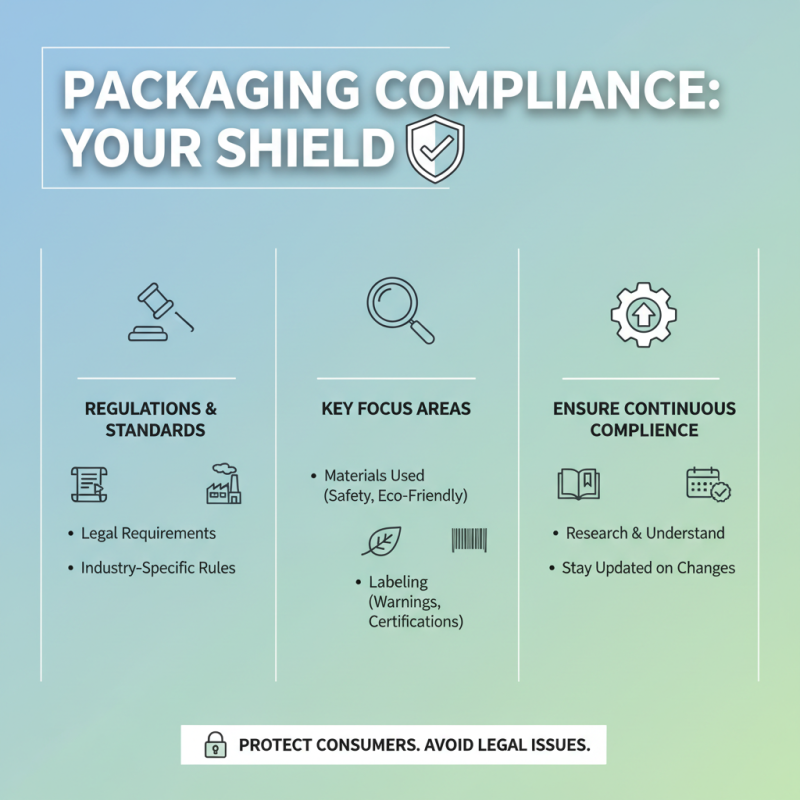
Ensuring Compliance with Regulations and Safety Standards

10 Essential Tips for Choosing the Right Boxes for Packaging Your Products

When selecting packaging boxes for your products, ensuring compliance with regulations and safety standards is paramount. Different industries have specific requirements that must be met to avoid legal complications and protect consumers. It's essential to familiarize yourself with these regulations, which may pertain to materials used or labeling requirements. Conduct thorough research to understand your industry’s guidelines, and stay updated on changes that could affect your packaging choices.

One crucial tip is to select materials that are not only suitable for the product but also compliant with safety standards. For instance, if your products are food-related, ensure that the packaging is food-safe, non-toxic, and withstands any relevant temperature requirements. Additionally, consider the durability of the box; it should adequately protect the contents during transit while adhering to weight restrictions and structural integrity standards.

Moreover, transparency in labeling is critical for compliance. Your packaging should clearly indicate key information such as ingredient lists, expiry dates, and safety warnings, which are essential not only for regulation compliance but also for consumer trust. Make sure the fonts and symbols used are easily readable, as this will enhance safety and provide clarity to your customers. By prioritizing compliance and safety in your packaging decisions, you can promote a responsible and trustworthy brand image.

Enhancing Brand Identity: The Impact of Custom Logo Printing on Gift Packaging Paper Boxes

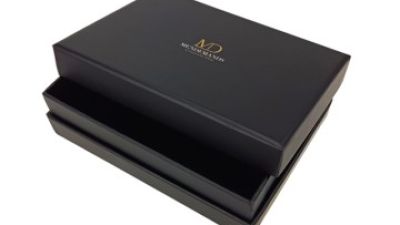
Custom logo printing on gift packaging paper boxes plays a significant role in enhancing brand identity. The aesthetic appeal of a well-designed box can elevate the unboxing experience, fostering a deeper connection between the consumer and the brand. These boxes, constructed from 1200g hard cardboard and 157g black coated paper, provide a sturdy solution that withstands the rigors of shipping and handling. The incorporation of a custom logo adds a personal touch, making each box not just a container but an essential part of the brand's visual identity.

The selected matte film coating contributes not only to the box's upscale appearance but also ensures durability through scratch resistance. This combination of materials creates a high-end presentation suitable for a range of products, including consumer electronics, gifts, wallets, and jewelry. Such attention to detail in packaging reinforces brand messaging and can influence consumer perceptions, turning an ordinary purchase into a memorable experience. The top and bottom box style not only provides practicality but also emphasizes the elegance of the packaging, making it a perfect choice for brands looking to make a lasting impression.

FAQS

: Why is it important to accurately measure the size of my product for packaging?

: Accurately measuring the size of your product is crucial because it ensures you choose a box that fits snugly, minimizing movement during transit and reducing the risk of damage. A box that is too large may require excessive cushioning, increasing shipping costs, while a box that is too small can cause product deformation or breakage.

How does the weight of my product influence my box selection?

The weight of your product is essential in selecting the right box, as heavier items require sturdier materials to support their weight and withstand stacking pressure during transportation. Choosing a box with insufficient strength can lead to product damage.

What role does the shipping method play in packaging decisions?

The chosen shipping method significantly impacts packaging decisions, as different methods (ground, air, sea) have distinct requirements. For instance, air shipping demands stronger yet lighter materials due to faster transit times, while improper packaging can lead to shipping damages.

How can custom box designs enhance my brand experience?

Custom box designs can create a memorable brand experience by reflecting your brand identity through colors, materials, and graphics. A well-designed box conveys your values and appeals to your target audience, enhancing brand recognition.

What are the benefits of including eco-friendly materials in packaging?

Incorporating eco-friendly materials in your packaging not only appeals to environmentally-conscious consumers but also enhances the overall perception of your product. It aligns your brand with sustainability trends and can improve customer satisfaction by showing you care about the environment.

Why should I consider dimensional weight when selecting packaging?

Considering dimensional weight is important because many logistics providers apply charges based on the volume of the packaging. Custom-sized boxes that fit products snugly can help reduce these charges and optimize shipping costs.

How can thoughtful packaging design improve customer satisfaction?

Thoughtful packaging design, including elements like custom inserts and appealing visuals, can enhance the tactile experience of unboxing. This can evoke positive emotions and make customers feel valued, leading to higher satisfaction and potential repeat purchases.

What is the impact of packaging on logistics costs?

Packaging plays a significant role in logistics costs, as nearly 70% of these costs are tied to transportation. Choosing appropriate packaging that aligns with shipping methods helps mitigate damage and improve operational efficiency, lowering overall logistics expenses.

How can I ensure my packaging supports the combined weight of the product and materials?

To ensure your packaging supports the combined weight, you should carefully consider the weight of both the product and any additional materials like padding or inserts when selecting the box. Choose materials that provide adequate strength and durability for safe transportation.

How does customization increase brand loyalty?

Customization enhances the unboxing experience, creating a personal touch that makes customers feel appreciated. This emotional connection can foster brand loyalty, encouraging customers to return for future purchases.

Conclusion

Choosing the right boxes for packaging your products is crucial for ensuring safe delivery and enhancing customer experience. Start by understanding the size and weight of your products, as this will influence the box dimensions needed. Evaluating material options will help you select durable packaging that can withstand shipping methods while also considering environmental sustainability in your choices. Customizing box design can further enhance branding and leave a lasting impression on customers.

Additionally, it’s important to budget wisely for packaging costs without compromising on quality. Ensure that your packaging complies with relevant regulations and safety standards. By following these essential tips, you can select the most suitable boxes for packaging that not only protect your products but also promote your brand effectively.
Amara

Amara

Amara is a dedicated marketing professional at Guangdong Meiyin Digital Technology Co., Ltd., where she leverages her extensive expertise to drive the company's growth and visibility in the digital printing industry. With a strong background in marketing strategies and a keen understanding of the......
Previous 7 Essential Tips for Sourcing the Perfect Magnetic Gift Box