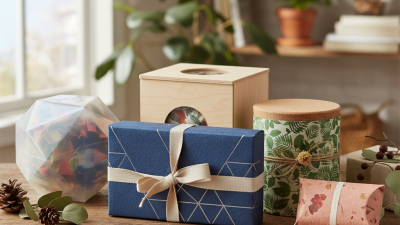
So here’s the thing: global sourcing turns a seemingly simple Gift Box into a practical buying decision.Gift Box Packaging isn’t just pretty—it protects your product, communicates brand value, and sets the tone for that first unboxing moment. But even the nicest sample can arrive with crushed corners after a long trip. Yeah, small details really do matter. Honestly, it’s the little things. A rigid lid. Clean edges. An insert that actually stays put. Doesn’t sound like much, but together they can mean the difference between a polished presentation and a costly complaint.
Sure, color and finish matter a lot—but if you're buying globally, there's more to think about. The weight of the material, for instance, can really shift your freight costs. Box size? That determines how many fit on a pallet. Even little things like coatings, ribbons, or magnets can throw off your pricing and production timeline. So when you're talking to suppliers, don't be shy—ask for clear specs, actual production samples, carton details, and lead times that are actually realistic. And definitely double-check how they're going to pack and test the boxes during handling. It's the kind of stuff that's easy to overlook until it costs you. Honestly, recycling requirements aren't the same everywhere—they vary by market. So you really want to check the latest local guidance rather than just taking your supplier's word for it. And yes, that takes testing.
Okay, so this guide is basically your go-to for ten practical tips when you're comparing designs, materials, suppliers, quality checks, and shipping plans. It's all about the questions you should ask before giving the green light to a big order—like how print colors are controlled, or how fragile items are kept in place during transit. Here's the thing: packaging is almost never perfect on the first sample. Even seasoned teams will occasionally miss a loose insert or a scuffed edge. So take a close look, jot down any changes, and only then approve that final sample. Honestly, putting in a little more effort now can save you from a whole lot of wasted stuff and disappointment down the road.

Define Your Product, Market, and Packaging Requirements
Before choosing a gift box, define what it must protect. A ceramic cup needs corner cushioning; a folded scarf may need only a close-fitting insert. Record product dimensions, weight, fragility, surface finish, and how the box will be packed. Small gaps can let items shift during transit. Oversized boxes waste space, too.
Then map the destination market and sales channel. A box displayed in a boutique faces different handling from one shipped through several warehouses. Smithers’ report, The Future of Global Packaging to 2028, projects the global packaging market will reach about US$1.3 trillion by 2028. That scale makes clear how varied packaging needs can be. Specify shipping distance, storage conditions, retail display needs, and whether buyers expect unboxing details such as tissue or a printed insert. Confirm required languages, recycling guidance, and material preferences with local partners; expectations differ by market, and assumptions can miss the mark.
Turn these findings into a written specification: box style, internal fit, materials, finish, print files, order quantity, and acceptable tolerances. Request a physical sample, then test it with the actual product and shipping method. A neat sample is not proof of transit performance. One awkward lesson: teams sometimes approve artwork before confirming the final box dimensions. Check both together, and leave room for revisions.
Choose a Box Style That Fits the Product and Brand
A Gift Packaging Box should protect the item and express the brand’s character without making either feel forced. Match the structure to the product: a Rigid Box suits a delicate keepsake, while a folding carton can work for lightweight goods and stack neatly on shelves. For shipping, add a snug insert so glass jars or small accessories do not rattle against the walls. Check how the lid opens, too. A tight fit can feel reassuring, but an awkward one may frustrate the recipient. Small detail. Big impression.
Material and finish also shape the experience. A soft-touch surface feels understated; a bright sleeve can bring energy without changing the box itself. Keep decoration practical, and test samples under real handling conditions. I have seen a beautiful mock-up hide a weak corner. It is worth checking again. McKinsey’s 2020 global consumer survey found that 60–70% of respondents were willing to pay more for sustainable packaging, though preferences varied by market. PwC’s 2024 Voice of the Consumer Survey reported that consumers were willing to pay an average 9.7% more for sustainably produced or sourced goods. That broader finding is not packaging-specific, but it supports considering recyclable materials and right-sized formats. Choose a style that protects the product, fits the brand, and avoids unnecessary bulk.
Select Materials for Protection, Presentation, and Sustainability
For global gift shipments, material choice should start with the journey, not just the mood board. A rigid paperboard box can protect candles, ceramics, or small keepsakes when paired with a fitted insert. For heavier products, test the corners and lid after a simulated drop. Looks are not enough. A box that arrives crushed weakens the whole presentation.
Custom Gift Box Packaging can balance protection and appearance through board thickness, inserts, and surface finishes. Molded pulp or folded paper inserts may replace plastic trays, but they need testing against the product’s shape and weight. Recycled paperboard can vary in stiffness, so request samples from the actual production material. Check the fit. A few millimeters can prevent items from shifting in transit.
For a refined finish, consider water-based coatings or uncoated stock with a simple paper band. Foil and lamination may add visual impact, yet they can complicate material recovery in some local systems. Sustainability claims also need care; one recyclable component does not make the entire pack recyclable. Ask suppliers for material specifications, and verify disposal guidance for the markets you serve. Sometimes the greener choice is simply a smaller box with less filler. That detail is easy to overlook.
10 Gift Box Packaging Tips for Global Buyers: Choose Materials for Protection, Presentation, and Sustainability
Typical basis-weight ranges for common gift-packaging materials. Use them as a starting point—not a substitute for supplier specifications or transit testing.
How to use this chart: Heavier board can support a more rigid structure, but basis weight alone does not determine protection. Consider box construction, cushioning, moisture exposure, print finish, recycled content, and local recycling guidance when selecting packaging for global shipping.
Set Accurate Dimensions and Plan for Shipping Conditions
Start with the product, not a guessed box size. Measure its longest points, including handles, ribbons, or removable parts. Record the usable internal length, width, and height separately. Leave room for tissue, an insert, or protective padding. A snug fit matters. Too much space lets the gift shift; too little can crush delicate corners.
For international shipping, check the finished box’s external dimensions as well. Outer measurements affect how many units fit in a master carton and may influence freight charges. Confirm where measurements begin and end, especially if the lid overhangs the base. Consider the route, too: long transit, humidity, and repeated stacking can challenge paperboard and decorative finishes. A prototype packed inside its shipping carton gives a more realistic check than a flat sample.
A first estimate can still be wrong. The insert may add height, or a bow may press against the lid. Test a packed sample for movement and visible damage after handling. Keep the sample and measurement notes for production checks. High-Quality Gift Box Packaging depends on careful sizing, but shipping tests can reveal details a ruler misses. Some plans need revision.
Adapt Artwork, Labels, and Inserts for Global Markets
Gift box artwork should feel familiar without losing its original character. Keep a layered master file, then adjust text, imagery, and color for each market. A symbol that feels playful in one region may seem confusing elsewhere. Check how colors look under store lighting, not only on a bright monitor. Small details matter.
Labels need room for translated text, which often expands. Test the longest language before approving the box size or typeface. Keep key product details easy to scan, and use clear units and readable contrast. A QR code can provide extra information, but it should not replace essential printed details. Have a local specialist review market-specific label requirements before production. This step can feel slow, but a late correction can waste printed stock.
Inserts deserve the same care. Translate setup steps, care notes, and welcome messages in a consistent voice. Then place a sample inside the finished box. Does the sheet fold cleanly? Can a buyer find the first instruction quickly? Paper shifts. A small insert may slide under a product or cover another item. A short production run can reveal these awkward details, though it adds time and cost. The first translation may be accurate yet still sound stiff; read it aloud with a local reviewer before printing.
Check Regulatory, Language, and Environmental Requirements
Gift box requirements vary by destination, materials, and sales channel. Check current rules before approving production artwork. An importer or qualified compliance specialist can help identify market-specific labeling and packaging obligations. Requirements may cover product information, language, material declarations, or disposal instructions. Do not assume one label works everywhere. Keep supplier specifications and approval records with the final artwork.
Language mistakes can confuse buyers. Have translations reviewed by a fluent professional, especially for safety notes, care instructions, and material descriptions. Check local units, date formats, and required wording. Environmental claims need evidence. Terms such as “recyclable” may depend on local collection systems and the box’s full construction. Review the paper sleeve, coating, ink, adhesive, and insert together. Can buyers separate the parts easily? Small details matter. A glossy finish may complicate recycling, even when the carton itself is paper. It is easy to miss that during a quick proof review. Keep evidence for material and environmental claims, and recheck it when suppliers or packaging components change.
Evaluate Suppliers Through Samples, Testing, and Quality Checks
Before placing a large order, ask suppliers for physical samples made with the proposed materials and finishes. Photos can hide weak corners or uneven color. Check the board thickness, print alignment, and how neatly the lid meets the base. Open and close the box several times. Small flaws show.
For a Custom Gift Packaging Box, compare each sample with written specifications, including dimensions, paper stock, inserts, and finish. Measure the interior with a ruler, then place the intended product inside. Does it shift, press against the sides, or lift the lid? Test closures and handles gently, then repeat after packing. One test is not enough.
If boxes will travel long distances, discuss suitable drop, compression, and vibration testing with the supplier or a qualified testing provider. Request clear reports that identify the sample, test method, and date. During production, inspect a small batch for color variation, glue marks, crushed edges, and inconsistent folds. Agree on acceptance criteria before manufacturing begins. Keep an approved sample for comparison. A supplier who answers questions clearly is easier to assess, though no sample can guarantee every production run will be perfect. Recheck a random selection before shipment.
Conclusion
Successful Gift Box Packaging starts with a clear understanding of the product, target markets, brand identity, and practical requirements. Choose a box style that suits the item and creates the right presentation, then select materials that balance protection, appearance, and sustainability. Accurate dimensions help prevent excess packaging and ensure the product fits securely, while shipping conditions should guide decisions about strength and cushioning.
For global markets, review artwork, labels, and inserts for local languages, customer expectations, environmental standards, and applicable regulations. Before placing a large order, assess suppliers through samples, packaging tests, and consistent quality checks. A thoughtful process helps buyers create gift boxes that protect products, communicate clearly, and deliver a dependable unboxing experience across different markets.