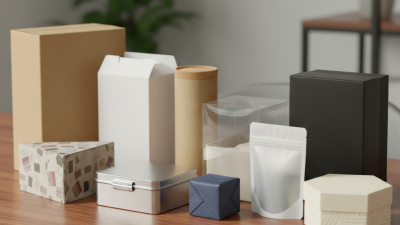
In today’s super busy business world, picking the right packaging really can make a big difference. Packaging Boxes aren’t just about protecting your products—they’re also a key part of your branding. Pretty much every business out there, whether it's a startup or a well-established company, depends on good packaging solutions.
Honestly, with so many options out there—from eco-friendly materials to custom designs—it can get pretty overwhelming. Companies really need to think about what suits their particular needs. The right packaging does more than just keep products safe—it also makes customers’ experiences a lot better. Still, too many businesses forget just how important good quality packaging really is.
By investing in the right boxes, you can really boost your brand’s identity. A well-designed box can catch people’s attention instantly and help build that connection with your customers. But here’s the thing—it's a smart move to keep reviewing and updating your packaging strategies from time to time. Sometimes, doubts creep in when choosing the right materials or styles, but facing that challenge head-on can lead to some pretty innovative ideas and help you stand out in the market.
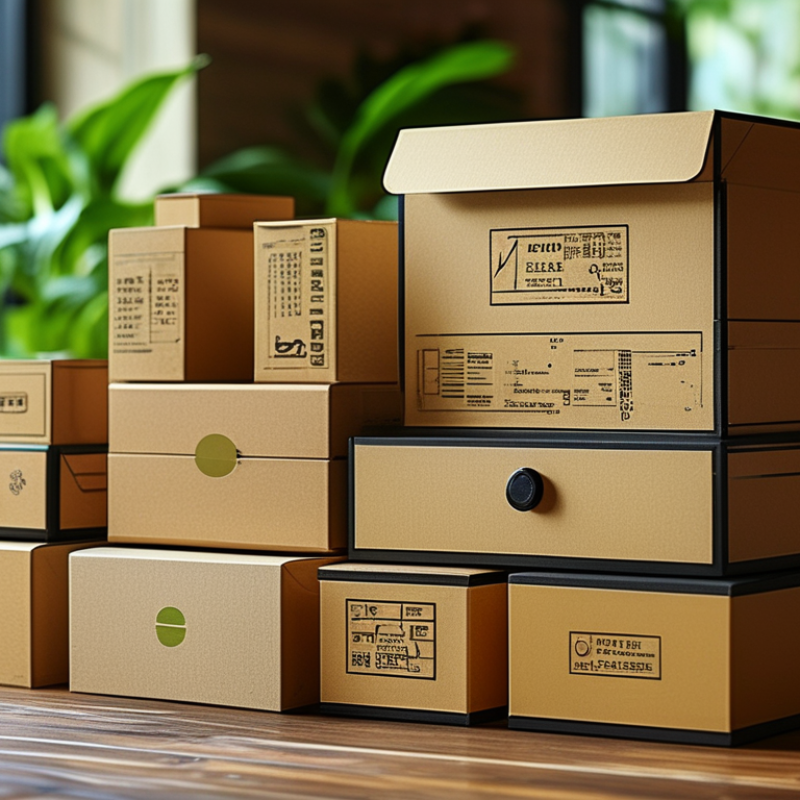
Essential Characteristics of Packaging Boxes for Businesses
In today’s competitive market, businesses face the challenge of selecting effective packaging. Packaging not only protects products but also enhances brand identity. According to a recent survey, 72% of consumers believe that packaging design influences their purchasing decisions. Thus, understanding the essential characteristics of packaging boxes is vital.
Durability is a primary feature. High-quality materials prevent damage during transit. Using materials like corrugated cardboard or eco-friendly options ensures that products arrive in top condition. A fragile package can lead to customer dissatisfaction. Design is equally crucial; Custom Boxes for packaging can elevate a brand’s image. Eye-catching graphics and colors attract attention on the shelf.
Another important aspect is functionality. Packaging must be easy to open and reseal. Research indicates that 60% of consumers prefer user-friendly packaging. It can also enhance the unboxing experience, which is increasingly important in today’s e-commerce landscape. Businesses must continuously assess the effectiveness of their packaging solutions. The trend towards sustainability means companies should reflect on their choices and seek improvements.
Types of Boxes: Understanding Different Packaging Options
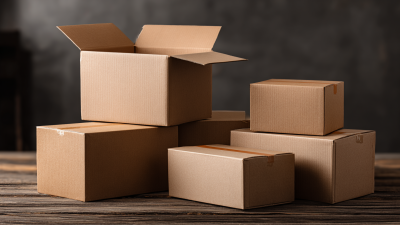
When considering packaging options, businesses must focus on versatility and efficiency. Different types of boxes serve various needs. For instance, corrugated boxes are popular due to their strength and lightweight design. These boxes are ideal for shipping. According to a recent industry report, the corrugated packaging market is projected to reach $400 billion by 2025. This growth highlights the increasing demand for sustainable and durable packaging solutions.
Another essential type is folding carton boxes. These boxes are commonly used for retail products. They are efficient for branding and product display. In recent studies, around 75% of consumers make a purchase based on packaging design. This statistic emphasizes the critical role of visually appealing packaging in driving sales.
However, not all packaging choices are perfect. Transitioning to eco-friendly materials poses challenges. Some businesses may find it more expensive initially. Additionally, understanding which packaging material works best can be overwhelming. Each option has trade-offs. Balancing cost, sustainability, and aesthetics requires careful consideration. The ultimate goal is to choose a box that meets both practical and branding needs.
Materials Used in Packaging Boxes: Pros and Cons
In the world of packaging, choosing the right material can drastically affect a business's success. Various materials come with unique benefits and drawbacks. For instance, cardboard is lightweight, easy to print on, and recyclable. According to a recent report by Smithers Pira, the global market for cardboard packaging is expected to reach $300 billion by 2025. Its accessibility makes it a favorite for many brands, yet it can lack durability in humid environments.
Plastic packaging, on the other hand, offers strength and moisture resistance. Recent studies show that around 40% of all plastic produced is used for packaging. However, environmental concerns about plastic waste have sparked a push for alternatives. Many companies are now reconsidering their packaging strategies, with a significant number exploring biodegradable options. This shift reveals a growing awareness of sustainability in packaging practices.
Metal packaging is another player in the game, with excellent preservation qualities. Reports indicate that metal cans maintain the freshness of contents effectively, which is essential for food and beverage industries. Yet, the cost and complexity in recycling processes create challenges. Businesses often find it hard to balance cost-efficiency with environmental responsibility, leading to a necessary reevaluation of packaging choices.
Top 10 Boxes For Packaging Every Business Needs Today
| Box Type | Material | Pros | Cons |
| Corrugated Boxes | Cardboard | Strong, lightweight, recyclable | Less waterproof |
| Rigid Boxes | Paperboard | High durability, elegant design | Higher cost |
| Folding Cartons | SBS Paperboard | Customizable, lightweight | Not as sturdy as corrugated |
| Mailer Boxes | Kraft Paper | Eco-friendly, easy to customize | Less protective than rigid options |
| Padded Mailers | Bubble Wrap/Paper | Lightweight, protective | Limited to small items |
| Plastic Containers | Plastic | Waterproof, durable | Less recyclable |
| Shrink Wrap | Plastic Film | Cost-effective, secures items | Not rigid, less protection |
| Gift Boxes | Cardboard/Paper | Appealing, decorative | Limited functionality |
| Eco-Friendly Boxes | Recycled Paper | Sustainable, biodegradable | Potentially higher cost |
| Pizza Boxes | Corrugated Cardboard | Insulation, lightweight | Single-use, not eco-friendly |
Sizing and Customization: Choosing the Right Dimensions
Choosing the right dimensions for packaging boxes is vital for any business. Size does matter, especially when it comes to protecting products and reducing shipping costs. Many companies make the mistake of using generic box sizes. This often leads to wasted space, increased shipping fees, and damaged goods during transit. Customization allows for tailored solutions that fit the exact needs of your products.
When selecting dimensions, consider the product’s shape and weight. High-Quality Boxes For Packaging come in various sizes to accommodate both small and large items. Small items may require snug fits to avoid shifting during shipping. Larger products might benefit from extra cushioning. It's essential not to overlook the materials as well. Thicker boxes provide better protection, which is crucial for fragile items.
However, customization can be a daunting task. Many businesses hesitate, fearing costs will spiral. It's worth analyzing your inventory to determine what size works best. Trial and error can lead to insights about fitting products snugly. Often, companies find success in smaller, tailored batches before committing to larger orders. This thoughtful approach to sizing ensures that you meet customer expectations and maintain product integrity during delivery.
Sustainability in Packaging: Eco-Friendly Box Options
The rise of eco-friendly packaging options marks a significant shift in the business landscape. Many companies are recognizing that sustainability is not just a trend. Organic materials and biodegradable alternatives have taken center stage. These options often reduce waste and carbon footprints. Choosing sustainable boxes reflects a commitment to the environment.
A popular choice is recycled cardboard. It is strong yet lightweight. It serves various industries effectively. Customers increasingly prefer brands that prioritize sustainability. Gift Boxes For Present made from eco-friendly materials can enhance a company's appeal. They show an understanding of consumer values and emerging trends. Yet, many businesses still hesitate to fully embrace these options. Initial costs and limited knowledge can be barriers.
Companies can easily make a change. Simple steps can lead to impactful results. Exploring local suppliers of sustainable materials is a start. Training staff on these options can improve the process. Engaging customers in conversations about packaging choices can build trust. Sustainability should evolve from just a trend to a standard practice across sectors.
Cost Considerations: Balancing Quality and Budget
When it comes to packaging, cost is a critical factor. Many businesses struggle to find a balance between quality and budget. Cheap materials may save money in the short term, but poor packaging can harm brand reputation and lead to customer dissatisfaction. Investing in quality boxes enhances product presentation and protects items during transport.
It's essential to assess packaging needs carefully. Determine the type of products you sell and their shipping requirements. Consider dimensions and fragility. Sometimes, a slightly higher investment in durable materials pays off. Customers appreciate sturdy packaging, and it reflects positively on your brand. On the flip side, overly expensive options can strain budgets.
To explore cost-effective alternatives, research bulk purchasing options or compare local suppliers. Test different materials and designs on a smaller scale. This helps identify what works best for your business. Balancing quality and cost is an ongoing process. Regular evaluations can lead to smarter decisions in the long run.
Innovative Packaging Solutions: Trends in the Industry
Innovative packaging solutions are reshaping businesses today. The global packaging industry is projected to reach $1 trillion by 2024, according to a recent market report. This growth is fueled by advancements in design and technology. Businesses are seeking to reflect their brand values through unique packaging, such as Jewelry Boxes that stand out on retail shelves.
Sustainability plays a vital role in modern packaging. A survey indicates that 72% of consumers prefer eco-friendly packaging. Brands are now choosing recyclable materials to meet their customers' expectations. However, not all companies have adapted effectively. There is still a significant gap in the adoption of sustainable practices. Many businesses struggle to balance cost with environmental responsibility.
Customization is another key trend. Consumers want packaging that resonates with their preferences. Jewelry Boxes that are personalized can create a deeper customer connection. Yet, many companies still rely on generic solutions. This oversight can weaken brand identity. It’s crucial for businesses to invest in innovations that cater to their audience's needs while remaining cost-effective.
Creative Custom Logo Printing Solutions: Elevate Your Branding with Durable Cardboard Gift Packaging Boxes
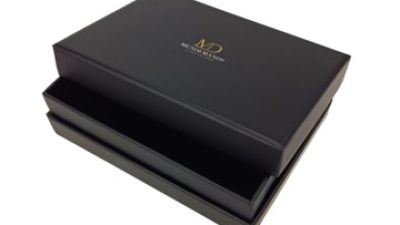
Creative custom logo printing solutions are essential for brands looking to enhance their image and leave a lasting impression on consumers. One of the most effective ways to achieve this is through high-quality packaging. Our premium Top and Bottom boxes, crafted from 1200g hard cardboard and 157g black coated paper, provide an ideal canvas for your logo. The sophisticated matte film finish not only elevates the visual appeal but also ensures a durable and scratch-resistant exterior, making these boxes perfect for a wide range of products, including electronics, elegant gifts, and jewelry.
Investing in custom gift packaging enhances your branding by creating a memorable unboxing experience for your customers. The sturdy design of our boxes means they are built to last, offering protection for your items while showcasing your brand in a luxurious way. Whether you are a small startup or an established business, our custom packaging solutions are designed to meet your specific needs, helping you stand out in a competitive market. Trust in our quality and excellence to take your branding to the next level with our stylish and resilient packaging options.
FAQS
: Common types include corrugated boxes and folding carton boxes. Each type serves different needs effectively.
They are strong and lightweight, making them ideal for transportation. Their design ensures products stay safe during shipment.
About 75% of consumers base purchases on packaging design. Visually appealing packaging significantly impacts sales.
Transitioning to eco-friendly materials can be costly. Understanding the best materials can also be overwhelming for businesses.
Poor packaging may harm brand reputation and cause customer dissatisfaction. Better packaging enhances product presentation positively.
Businesses should evaluate their products, shipping requirements, and material durability. Dimensions and fragility are also crucial considerations.
Yes, research bulk purchasing and compare local suppliers. Testing materials on a smaller scale helps find effective solutions.
Regular evaluations are necessary for smarter decisions. Balancing quality and cost is an ongoing process that needs attention.
Yes, cheaper materials may save money initially but can damage your brand in the long run.
Many overlook the balance between cost and aesthetics. It's vital to find packaging that is both functional and visually appealing.
Conclusion
In today's competitive market, selecting the right boxes for packaging is crucial for businesses to ensure product safety and enhance brand visibility. Essential characteristics of these packaging boxes include durability, versatility, and design that reflect the brand identity. Various types of boxes, such as corrugated, rigid, and foldable options, cater to different packaging needs, while the right materials—like cardboard and plastic—offer distinct advantages and disadvantages.
Furthermore, businesses must consider sizing and customization to meet their specific requirements, ensuring products fit securely without excessive waste. Sustainability is also a growing concern, leading to eco-friendly packaging options that appeal to environmentally conscious consumers. Balancing cost with quality is vital, and staying informed about innovative trends in the industry can help businesses make informed decisions about their packaging strategies. Ultimately, choosing the right boxes for packaging can significantly impact a business’s success and customer satisfaction.