Leave Your Message
0%

Lately, it’s pretty clear that sustainability has become a big deal when it comes to packaging. Among all the options out there, Corrugated Boxes are really stepping into the spotlight as a smart, eco-friendly choice. I read in a report from Smithers Pira that the worldwide demand for corrugated packaging could hit around 420 billion USD by 2026—that’s a huge number and shows just how important these boxes are in the shift towards greener practices. They're inherently designed in a way that uses less energy and creates less waste, which makes them a smarter, more sustainable alternative to the old-school packaging stuff.

Plus, their recyclability is what’s really fueling their popularity. The Fibre Box Association points out that in the U.S. alone, over 85% of corrugated boxes get recycled—that’s a pretty solid indicator of how well they fit into a circular economy and help cut down on environmental damage. Big brands like Amazon and Unilever are jumping on the bandwagon, choosing corrugated boxes not just because they’re durable and versatile, but because they’re helping them lower their carbon footprints. This shift towards using more sustainable materials in packaging shows how the industry is changing—more in tune with what consumers want and what regulations are pushing for. As more people and companies see how eco-friendly corrugated boxes are, it’s clear they’re playing a bigger role than ever in shaping the future of packaging.

The Environmental Impact of Traditional Packaging vs. Corrugated Solutions

The environmental impact of traditional packaging is significant, with a large proportion ending up in landfills and contributing to pollution. According to a report by the Environmental Protection Agency (EPA), packaging materials account for nearly 30% of the total waste generated in the United States. In contrast, corrugated boxes offer a sustainable alternative. Made from renewable resources, they are recyclable and biodegradable, reducing waste and promoting a circular economy. The industry reports that over 90% of corrugated containers are recycled, demonstrating their potential to minimize ecological footprints effectively.

To enhance sustainability in packaging, businesses can adopt a few practical tips. Firstly, consider sourcing materials from suppliers who practice responsible forestry. Secondly, optimize product design to reduce material usage while maintaining structural integrity. Additionally, encouraging consumers to recycle packaging can further decrease environmental impact, making corrugated solutions a key component in responsible packaging strategies.

As the demand for eco-friendly options grows, companies leveraging corrugated solutions can not only reduce their carbon footprint but also meet consumer expectations. A survey conducted by Smithers Pira found that 73% of consumers prefer brands that utilize sustainable packaging. The shift to corrugated boxes thus aligns with both environmental goals and market trends, showcasing their transformative role in packaging solutions.

Innovative Features of Corrugated Boxes that Enhance Sustainability

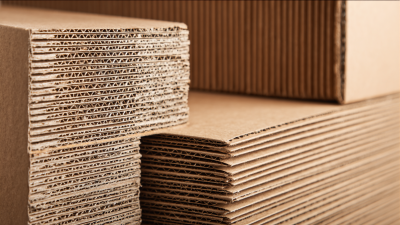
Corrugated boxes have emerged as a pivotal element in advancing sustainable packaging solutions, largely due to their innovative features that significantly reduce environmental impact. One of the most notable characteristics of corrugated boxes is their excellent recyclability; they are primarily made from renewable materials like paperboard, which is sourced from sustainably managed forests. This means that once they fulfill their purpose, they can be easily recycled or repurposed, thereby minimizing waste and supporting a circular economy.

Furthermore, the lightweight design of corrugated boxes contributes to sustainability by reducing transportation costs and emissions. Their strength-to-weight ratio ensures that products are well-protected during transit without the added bulk, facilitating more efficient shipping. Additionally, advancements in manufacturing processes have led to the creation of double-walled and moisture-resistant corrugated boxes, which not only enhance the durability of packaging but also further extend the lifecycle of the materials used. This innovative approach reflects a commitment to environmental stewardship while meeting the demands of modern commerce.

The Transformative Role of Corrugated Boxes in Sustainable Packaging Solutions

This chart illustrates the percentage of sustainable features in corrugated boxes compared to traditional packaging materials over recent years. The data emphasizes the increasing adoption of eco-friendly practices within the packaging industry.

Cost-Effectiveness: How Corrugated Packaging Reduces Waste and Expenses

Corrugated boxes have emerged as a frontrunner in sustainable packaging solutions, primarily due to their cost-effectiveness. This packaging material is designed to be lightweight yet durable, which not only minimizes shipping expenses but also reduces fuel consumption during transportation. The efficient design of corrugated boxes allows businesses to optimize their supply chains, leading to decreased overall logistics costs. This economic advantage is particularly vital for small to medium-sized enterprises aiming to balance their budgets while practicing responsible packaging.

Moreover, the recyclability of corrugated packaging further enhances its cost-effectiveness. Unlike many conventional packaging materials, corrugated boxes can be reused or recycled multiple times without compromising their integrity. This feature significantly curbs the volume of waste generated, which translates into savings in disposal costs and a reduction in environmental impact. Companies that adopt corrugated packaging can enjoy not only lower operating costs but also a boost in their sustainability credentials, appealing to an increasingly eco-conscious consumer base and driving long-term profitability.

Consumer Perception and Demand for Eco-Friendly Packaging Options

Consumer perception of packaging has evolved significantly in recent years, with a notable shift towards eco-friendly options. As awareness of environmental issues grows, consumers are more inclined to choose products that use sustainable packaging solutions. Corrugated boxes, recognized for their recyclable and biodegradable properties, have gained popularity as a responsible choice in various industries. This shift is not only driven by environmental concerns but also by a desire for transparency and ethical practices from brands.

Moreover, the demand for eco-friendly packaging is compelling businesses to innovate and adapt their packaging strategies. Companies that adopt corrugated boxes often highlight their environmental benefits in marketing efforts, appealing to a growing demographic of environmentally conscious consumers. This trend indicates that companies prioritizing sustainable packaging are likely to strengthen their brand loyalty and competitive advantage in the market. As consumer preferences continue to evolve, the role of corrugated boxes in sustainable packaging solutions becomes increasingly vital, shaping a new landscape where ecological awareness meets consumer expectations.

The Role of Technology in Advancing Corrugated Box Production and Design

The advancement of technology has significantly enhanced the production and design of corrugated boxes, making them a pivotal component in sustainable packaging solutions. Automation and precision engineering have streamlined the manufacturing process, allowing for increased efficiency and reduced waste. Modern machinery enables manufacturers to produce custom-sized boxes on demand, minimizing excess material usage and lowering the carbon footprint associated with transportation and storage.

Moreover, innovations in design, such as digital printing and structural optimization, have transformed the aesthetics and functionality of corrugated packaging. The integration of smart technologies, like IoT sensors, facilitates better tracking and monitoring of shipments, ensuring that products are delivered safely and sustainably. These advancements not only meet consumer demands for eco-friendly packaging but also support businesses in their quest for sustainability, propelling the corrugated box industry into a new era of responsible packaging solutions.

Case Studies: Successful Implementations of Corrugated Boxes in Various Industries

In recent years, various industries have embraced corrugated boxes as a key component of sustainable packaging solutions. For example, the food and beverage sector has seen significant success in using corrugated boxes for transporting products. A notable case is a major organic snack company that switched to 100% recyclable corrugated packaging. This shift not only reduced their environmental footprint by 40% but also attracted environmentally conscious consumers who prioritize sustainable practices in their purchasing decisions.

Another compelling example comes from the electronics industry, where a well-known tech company introduced corrugated packaging for its devices. This transition resulted in a substantial reduction in weight compared to traditional packaging materials, leading to lower shipping costs and reduced carbon emissions during transport. By incorporating innovative design elements like cushioning and protective structures within the corrugated boxes, they also enhanced product safety while remaining committed to the principles of sustainability. These successful implementations underscore the versatility and effectiveness of corrugated boxes in promoting eco-friendly practices across various sectors.

Comprehensive Guide to Custom Magnetic Closure Paperboard Gift Boxes for Electronic Product Packaging

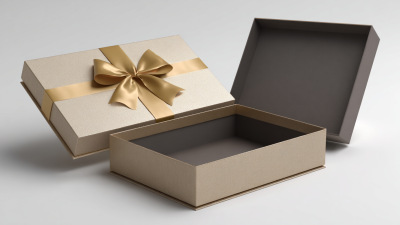
The rise of e-commerce and the demand for striking packaging solutions have made custom magnetic closure paperboard Gift Boxes essential for electronic product packaging. These boxes not only enhance the unboxing experience but also serve as a practical and innovative way to protect delicate items. According to a recent industry report, 70% of consumers believe that packaging design greatly influences their purchasing decisions, highlighting the importance of outstanding packaging in today’s market.

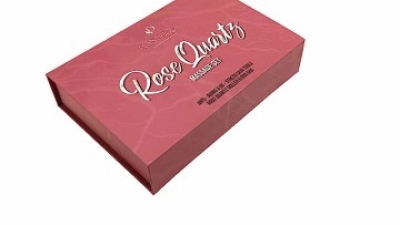
The magnetic flip-top box exemplifies superior packaging innovation. Its unique design not only imparts a touch of elegance but also offers secure closure, ensuring that the contents remain safe during transit. This type of packaging is particularly attractive for electronic products, which often require extra care and protection. The magnetic closure mechanism provides a seamless and user-friendly experience, setting a new standard in packaging design. Industry studies reveal that well-designed packaging can lead to a 20% increase in product sales, showcasing the financial incentives for businesses to invest in custom packaging solutions.

Additionally, sustainability is becoming increasingly important in the packaging industry. According to a report by Smithers Pira, the global market for sustainable packaging is expected to grow to $500 billion by 2027. By opting for paperboard materials in custom magnetic closure boxes, companies not only meet the demands of eco-conscious consumers but also reduce their overall environmental impact. The fusion of functionality, aesthetics, and sustainability makes magnetic closure paperboard gift boxes an exceptional choice for electronic product packaging.

FAQS

: What is the environmental impact of traditional packaging?

: Traditional packaging has a significant environmental impact, with nearly 30% of total waste in the United States coming from packaging materials, leading to pollution and landfill accumulation.

How do corrugated boxes compare to traditional packaging in terms of sustainability?

Corrugated boxes are made from renewable resources, are recyclable and biodegradable, with over 90% being recycled, making them a more sustainable alternative to traditional packaging.

What are some tips for businesses to enhance sustainability in packaging?

Businesses can improve sustainability by sourcing materials from responsible forestry suppliers, optimizing product design to reduce material usage, and encouraging consumers to recycle packaging.

How do consumer preferences influence packaging choices?

A survey by Smithers Pira found that 73% of consumers prefer brands that use sustainable packaging, prompting companies to adopt eco-friendly options like corrugated solutions to meet expectations.

What technological advancements have impacted the production of corrugated boxes?

Technology such as automation and precision engineering has enhanced corrugated box production, increasing efficiency, reducing waste, and allowing for custom-sized boxes that minimize excess material usage.

How do design innovations in corrugated packaging serve businesses and consumers?

Innovations like digital printing and structural optimization improve the aesthetics and functionality of corrugated packaging, while smart technologies enhance tracking and monitoring, supporting sustainable delivery.

Why are corrugated boxes considered key components in responsible packaging strategies?

Their recyclability, biodegradability, and high recycling rates make corrugated boxes integral to minimizing waste and promoting a circular economy in packaging.

What role does consumer recycling play in sustainable packaging?

Encouraging consumers to recycle packaging can significantly decrease environmental impact, reinforcing the sustainability of options like corrugated boxes.

How does the demand for eco-friendly packaging affect businesses?

As demand for sustainable options grows, businesses leveraging corrugated packaging can lower their carbon footprint and align with consumer preferences, enhancing brand reputation.

What is the future outlook for the corrugated box industry?

With continuous technological advancements and a growing emphasis on sustainability, the corrugated box industry is entering a new era of responsible packaging solutions that meet both environmental and market needs.

Conclusion

The article "The Transformative Role of Corrugated Boxes in Sustainable Packaging Solutions" explores the significant environmental advantages of using corrugated boxes over traditional packaging methods. It highlights how these innovative packaging solutions minimize waste while providing cost-effective options for businesses. With increasing consumer demand for eco-friendly packaging, corrugated boxes not only meet sustainability criteria but also enhance brand image.

Furthermore, the role of technology in improving the production and design of corrugated boxes is emphasized, showcasing successful case studies from various industries. Companies like Guangdong Meiyin Digital Technology Co., Ltd. can leverage these benefits by incorporating advanced corrugated box solutions into their product offerings, thereby contributing to a more sustainable future while meeting market needs.

Lillian

Lillian

Lillian is a highly skilled marketing professional at Guangdong Meiyin Digital Technology Co., Ltd., renowned for her expertise in the digital printing industry. With a deep understanding of the company’s innovative products, she plays a crucial role in disseminating valuable information through......
Previous 7 Essential Tips for Sourcing the Perfect Magnetic Gift Box
Next 2025 Guide: How to Choose the Perfect Kraft Paper Box for Your Packaging Needs