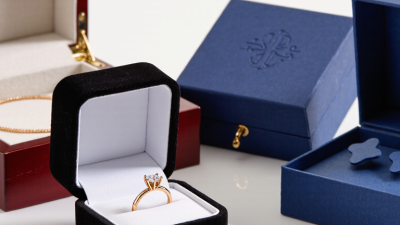
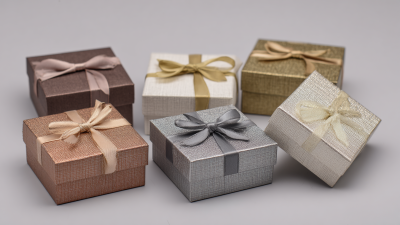
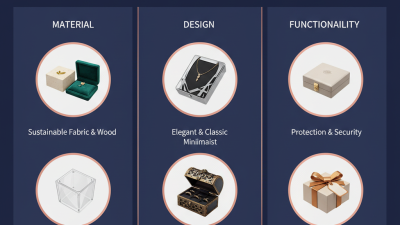
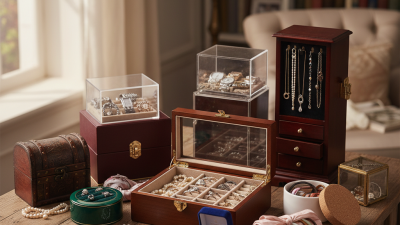
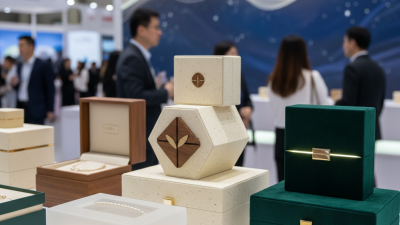
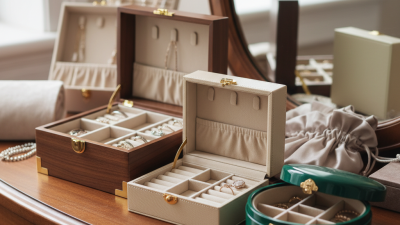
You know what's funny? A lot of jewelry purchases start with this tiny, almost magical moment — you lift the hinged lid, the tissue paper rustles, and then the ring catches the light like it's showing off. Jewelry Boxesaren't just packaging; they set the stage for that first impression while keeping your precious pieces safe from scratches, tangles, and dust. And hey, they also do a lot for your brand — they carry your identity far beyond the store or even your front porch. You know, it’s really the little details that make you notice—like when the insert sits snugly inside, the lid clicks shut nice and smooth, and the finish just feels… thoughtful, somehow. That kind of stuff makes the whole product seem way more put-together. And honestly, a Box isn’t just for show, if you ask me.
You ever notice how the box something comes in kind of shapes what you think about the product? Turns out, a lot of people feel that way. In a 2018 study by WestRock, 68% of folks said the packaging directly reflected the quality of what was inside, and another 67% admitted the materials swayed their decision to buy. Now, that's across all consumer goods, not just jewelry, so we can't take it as gospel for rings and necklaces. But still, it's a pretty clear hint for brands: the wrapper matters more than you'd think. For jewelry brands, that kind of perception can really shape things—like when someone picks a gift, decides to buy again, or even that big moment they're excited to post online, you know?
You know, packaging's got a practical side too. A good insert keeps earrings from sliding around, and sturdy outer packaging protects things during shipping. And materials? Yeah, they matter a lot, especially when you want to look elegant without adding too much bulk. But here's the thing: there's no perfect box for every product or person. A heavy Rigid Box might feel fancy, but it also adds cost and waste. That's a trade-off you can't just ignore. Honestly, when you dig into why jewelry boxes matter, it's a whole balancing act. You've got protection, presentation, brand consistency, and responsible design – all rolling into one. It's not merely about giving the package a fancy, high-end look, you know?
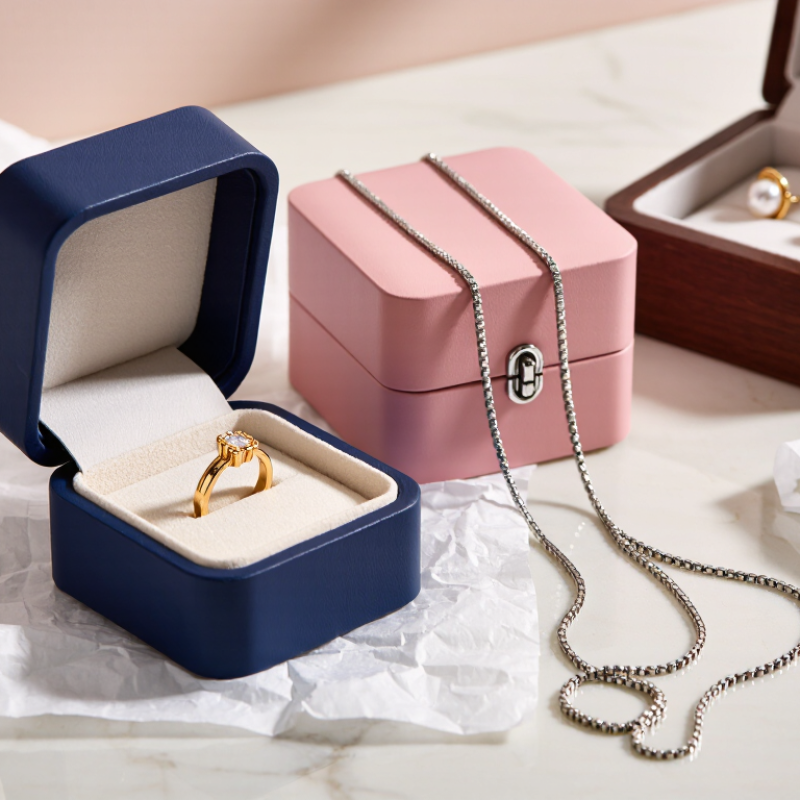
A jewelry box is a fitted container that holds a piece securely and presents it clearly. Its shape, lining, and insert are chosen around the item: a ring needs a snug slot, while a chain benefits from a place to prevent tangling. Small details matter. If an insert shifts during transport, the jewelry may arrive looking less carefully prepared.
For jewelry brands, boxes connect product protection with presentation. A customer sees the box before handling the piece, so color, texture, closure, and printing can express a consistent visual style. Custom Jewelry Boxes can be made in different sizes and layouts, helping brands package earrings, necklaces, or gift sets without relying on one awkward fit. A soft lining can reduce rubbing, but it should also hold its shape through repeated opening and closing.
The box can support storage after purchase, especially when it keeps small pieces separated. It is not decoration alone. Still, more packaging is not automatically better: oversized boxes take up space, and elaborate inserts can frustrate customers who want quick access. Choosing a useful structure requires balancing appearance, protection, cost, and everyday handling. Even a well-designed box has limits; it cannot replace careful packing or thoughtful product construction.
A jewelry box does more than present a piece attractively. During storage, a fitted insert keeps a ring from rattling and helps prevent chains from tangling. A firm lid also limits dust and contact with other items. Still, a presentation box alone may not withstand a courier’s drops or pressure from stacked parcels. Place it inside a suitably sized shipping carton, with cushioning that stops movement without pressing on delicate settings. Small gaps matter. Moisture and sudden temperature changes can also affect some materials, so storage conditions deserve attention.
The National Retail Federation and Appriss Retail estimated that U.S. merchandise returns reached $743 billion in 2023, or 14.5% of annual retail sales. That figure covers returns for many reasons, not just shipping damage, but it shows why preventing avoidable product issues matters. For jewelry brands, consistent packing checks can help: inspect clasps and settings, secure each item in its insert, and test whether the closed box shifts inside the outer carton. A box is not a cure-all; weak seals or poor cushioning can still fail.
Tips: Use a snug insert, protect sharp corners, and keep each piece separate. Shake the packed carton gently; if anything moves, add cushioning. Record packing steps, then review damage reports and adjust materials where needed. Do not overfill: pressure can mark delicate surfaces.
A jewelry box is often the first physical expression of a brand’s character. A matte paper sleeve can feel quiet and modern, while a smooth wooden lid suggests weight and tradition. Inside, the lining matters too. Soft microfiber protects polished surfaces and gives a ring a gentle place to rest. These details shape expectations before the jewelry is even seen.
High-Quality Jewelry Boxes balance appearance with practical protection. A snug insert keeps a pendant from sliding, and a sturdy hinge helps the box open smoothly. Color, texture, and finish should work together rather than compete for attention. Recycled paper may support a natural look, though its texture and strength can vary between batches. That needs testing. Packaging choices can also reveal priorities, such as durability or reduced material use, but no single material communicates the same thing to every customer. It is easy to overdesign a box. A small logo and thoughtful details may feel more personal than glossy surfaces and extra layers. The best design is not always the most elaborate; sometimes the lid closes a little too tightly, and that small flaw deserves another look.
A jewelry box is often the customer’s first physical interaction with a piece. Its weight, texture, and opening motion set expectations before the jewelry is even visible. A soft hinge can make the reveal feel calm; a lid that snaps shut may feel less considered. Small details matter. The lining should feel pleasant against the fingers, and the insert should hold the piece without hiding it. A short pause as the box opens can make the moment feel personal, not hurried.
Unboxing also shapes how easily a customer can enjoy and care for a purchase. A necklace presented flat is less likely to arrive tangled, while earrings placed in clear-fitting slots are easy to see and remove. The box should open without a struggle and close securely for storage. Too much tissue, ribbon, or layered packaging can turn delight into a chore. In practice, the best presentation is not always the most elaborate one. A beautiful box cannot make up for a loose insert or a care card buried at the bottom. That is worth checking before production: ask someone unfamiliar with the packaging to open it, handle the jewelry, and put everything back. Their small hesitations can reveal what a polished product photo cannot.
A jewelry box shapes a customer’s first impression before they see the piece inside. A rigid box made from recycled paperboard can feel considered, especially when its insert holds a ring securely without excess plastic. The texture matters, too: a slightly rough paper surface may suggest craft, while a glossy coating can make recycling harder. Sustainable packaging is not automatically better if it arrives damaged or fails to protect delicate jewelry. Brands should test boxes through shipping and everyday handling, not just judge them on a sample table. Small details matter.
Tips: Ask Jewelry Boxes Factories about recycled content, material coatings, and whether mixed components can be separated. Request a physical sample. Check the fit, closure, and printed colors under natural light. Avoid claims such as “eco-friendly” unless the materials and sourcing support them. A simple care card can also encourage customers to keep and reuse the box.
Packaging choices influence trust when they are visible and specific. A restrained design, fewer layers, and a box that feels useful beyond delivery can make sustainability part of the experience. Yet reducing material too far can weaken protection, and that trade-off deserves honest review. Some customers may value a keepsake box; others may prefer less packaging. Gathering feedback and tracking damage or reuse can help brands adjust without relying on assumptions.
A jewelry box does more than protect a piece between the workshop and the customer. It frames the first touch: a fitted insert holds a ring steady, while a clean lid and soft lining make opening feel considered. In a retail display, consistent boxes also help staff present products neatly and prepare gifts quickly. Small details matter.
Packaging can influence repeat buying, though the evidence has limits. Dotcom Distribution’s 2016 E-commerce Packaging Study found that 40% of surveyed consumers were more likely to reorder from an online retailer when products arrived in premium packaging. That result is useful, but it is older and not specific to jewelry. A box alone cannot create loyalty; product quality, service, and delivery still shape the experience.
For jewelry brands, packaging also provides a quiet marketing surface. A discreet logo, clear care card, and sturdy box can keep the business visible after purchase, especially when the customer gives the piece as a gift. Jewelry Boxes Suppliers can help retailers match box sizes, inserts, and finishes to different collections, reducing loose fit and unnecessary bulk. Still, elaborate packaging is not always better. Extra layers may look impressive but feel wasteful, so brands should test how boxes protect pieces and how customers actually use them.
It holds jewelry securely and presents it clearly. A fitted slot can keep a ring still.
Rings need snug slots, while necklaces need space that helps prevent tangling. A loose insert can let pieces shift. Not ideal.
It offers some protection, but it may not withstand drops or heavy parcels. Place it in a sturdy outer carton with cushioning.
Gently shake the closed carton. If something shifts, add cushioning without pressing on the jewelry.
The box’s weight, texture, lining, and opening motion all matter. A soft hinge can make opening feel calm.
Not necessarily. Too much tissue or ribbon can make opening a chore, while a simple, useful layout may work better.
Separate slots can keep small pieces apart, and a firm lid can limit dust. Keep the box away from moisture and sudden temperature changes.
Ask someone unfamiliar with the packaging to open it, handle the jewelry, and put it back. Watch for small hesitations. They can reveal what product photos miss.
Jewelry Boxes are more than containers: they protect jewelry and help brands present their products with care. Sturdy construction and suitable materials can reduce the risk of scratches, tangles, or damage during storage and shipping. At the same time, a box’s colors, textures, shape, and finish can communicate a brand’s style and attention to detail.
Packaging also shapes the customer’s first moments with a purchase. A thoughtful unboxing experience can make the jewelry feel more special, while sustainable material choices can support a positive impression of the brand. In retail and marketing, well-designed boxes help products look organized and gift-ready, and they can keep a brand memorable after the purchase. By combining protection, visual appeal, and practical design, jewelry packaging can encourage customer satisfaction and lasting loyalty.