


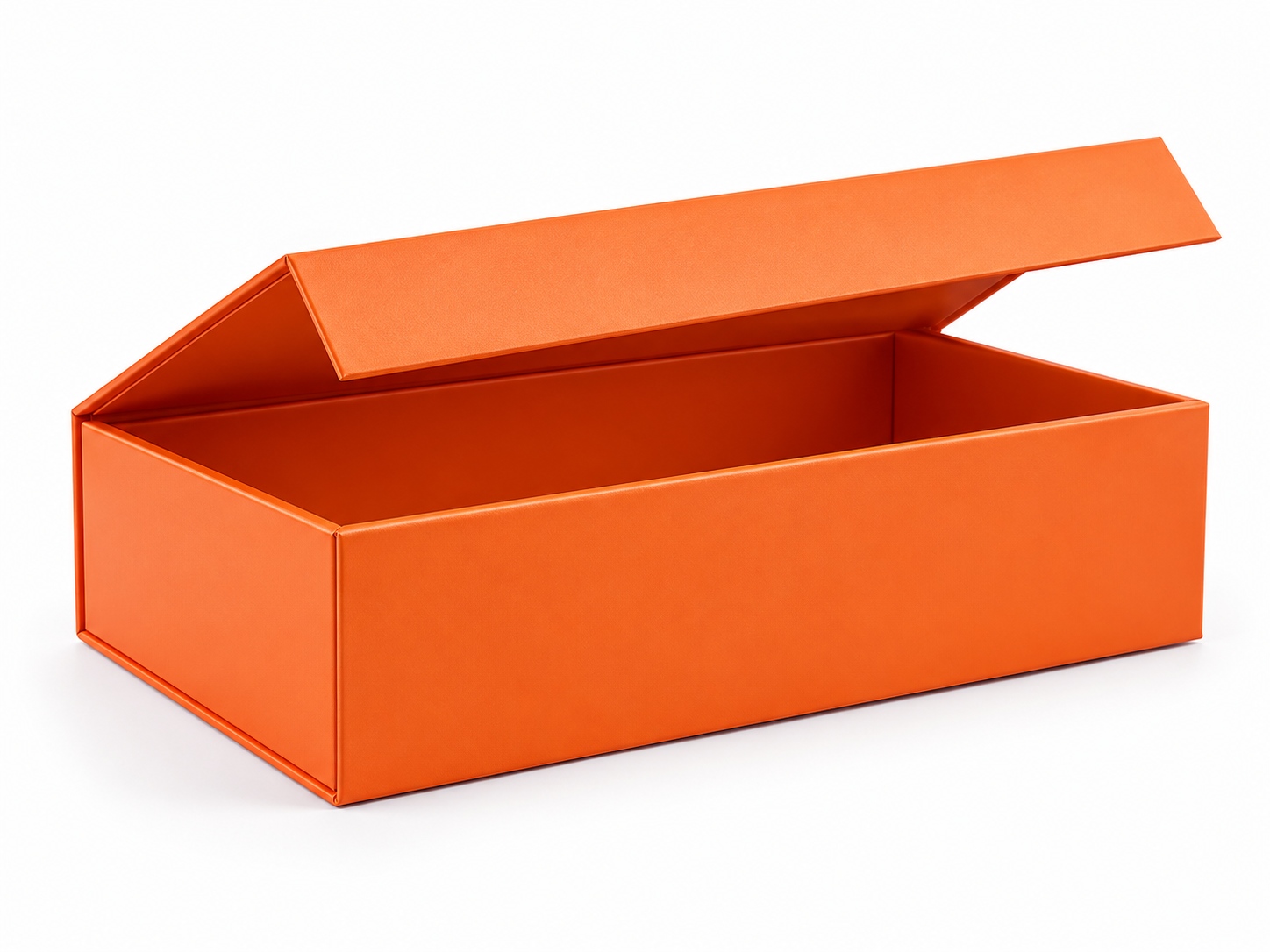
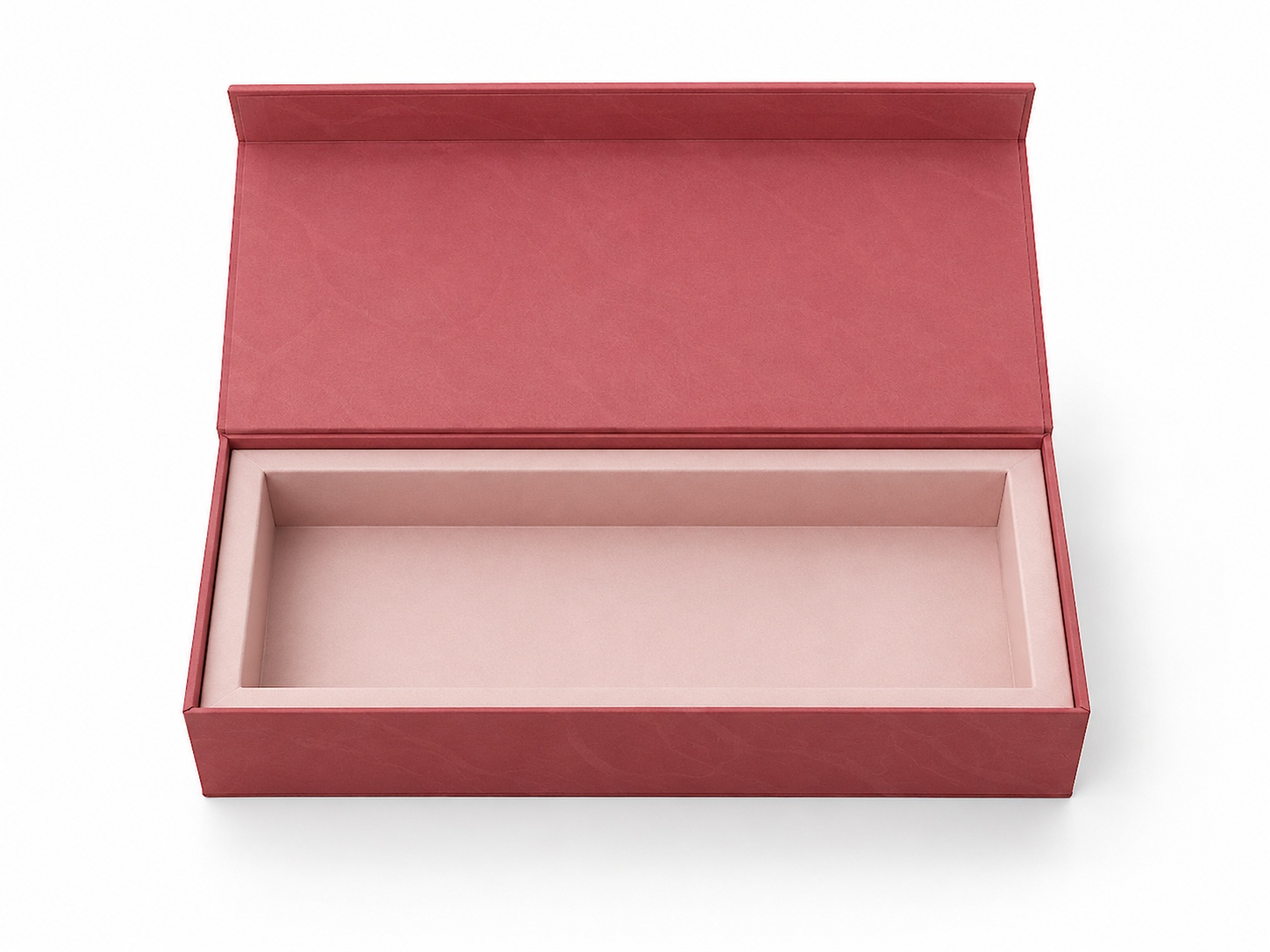
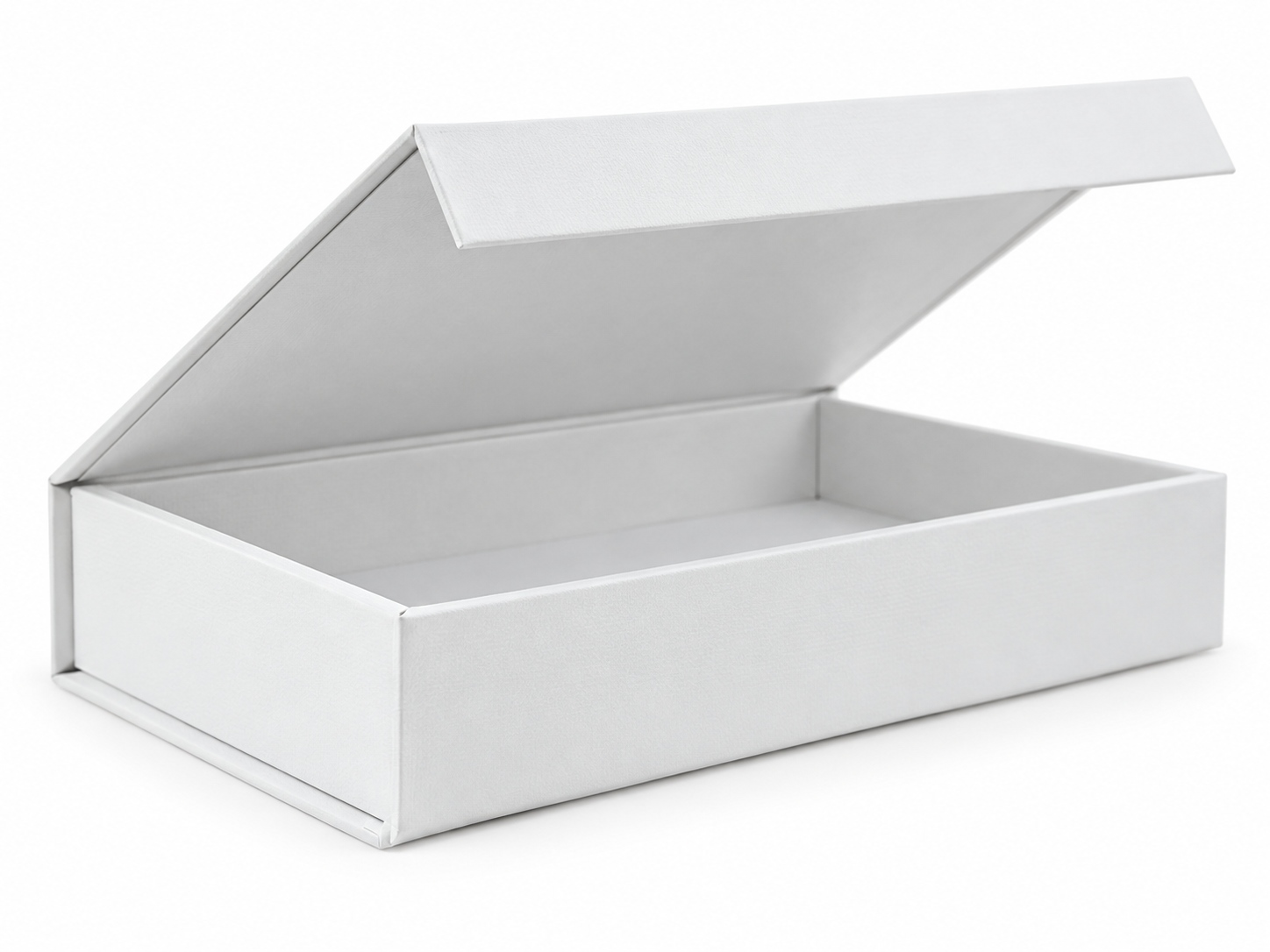

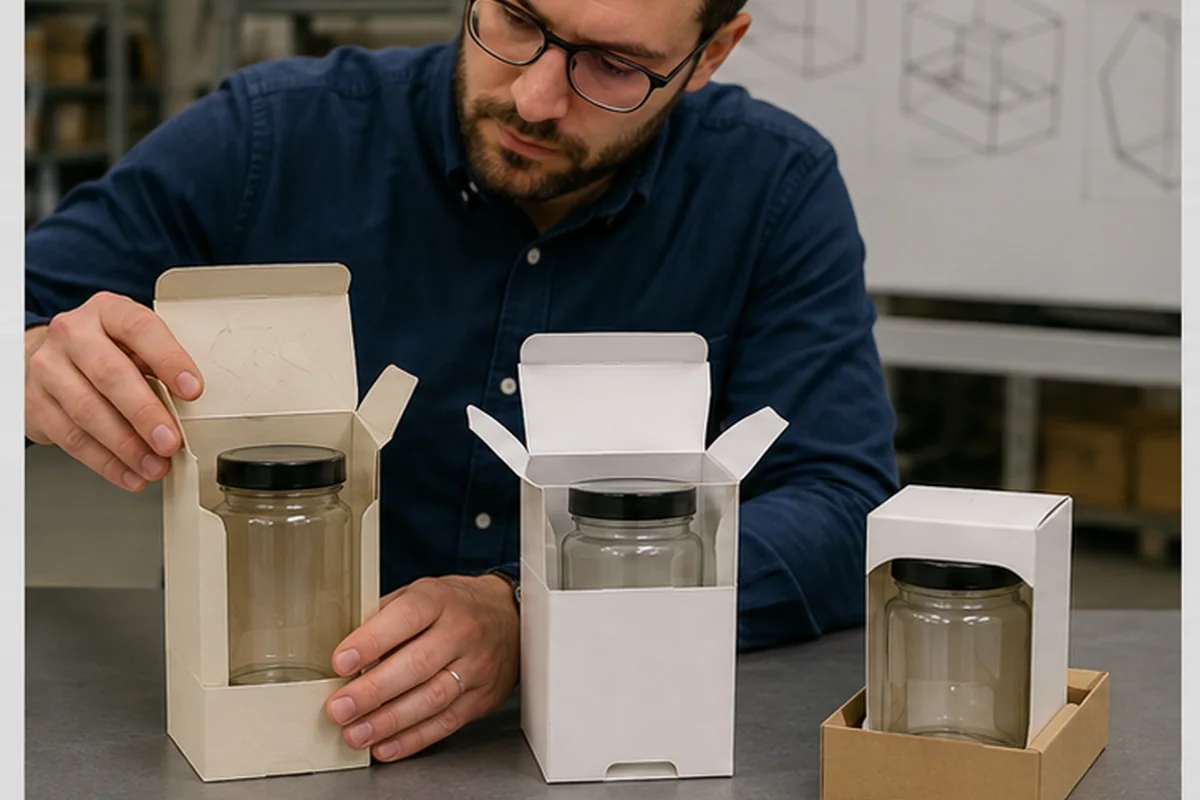
Folding Carton Boxes: the way they are made. Full Cartons to Brief.
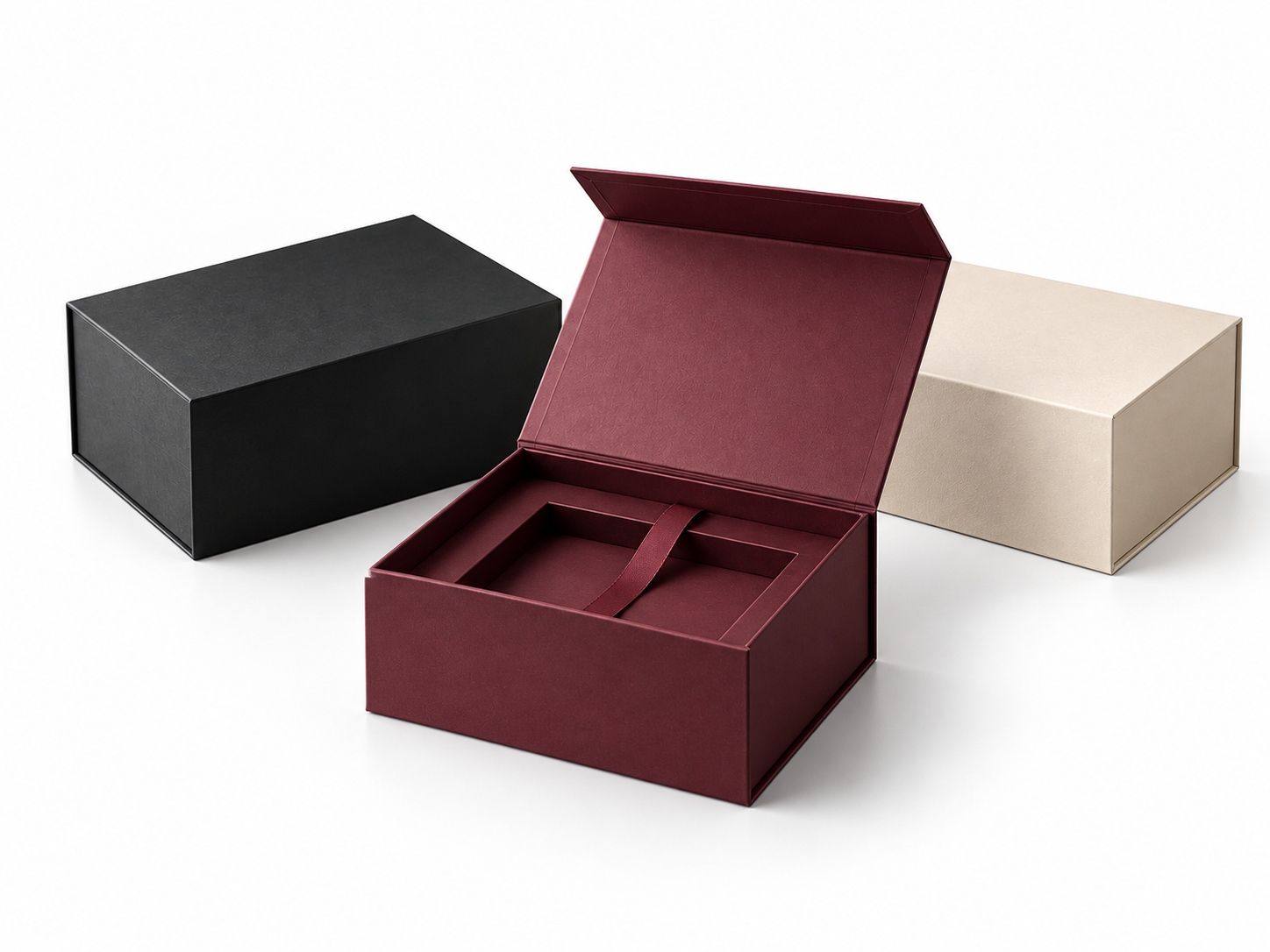
Folding cartons are produced by making paperboard sheets into printed, creased, cut and typically glued blanks which can be shipped in a flat form and assembled around a product. The visible Box is an outcome of correlated decisions. The dieline is influenced by size, the sheet layout is influenced by the dieline, the board influences the print and creasing, and the finishing has to withstand folding. This knowledge of the order will empower buyers to sanction the proper evidence at the correct time.
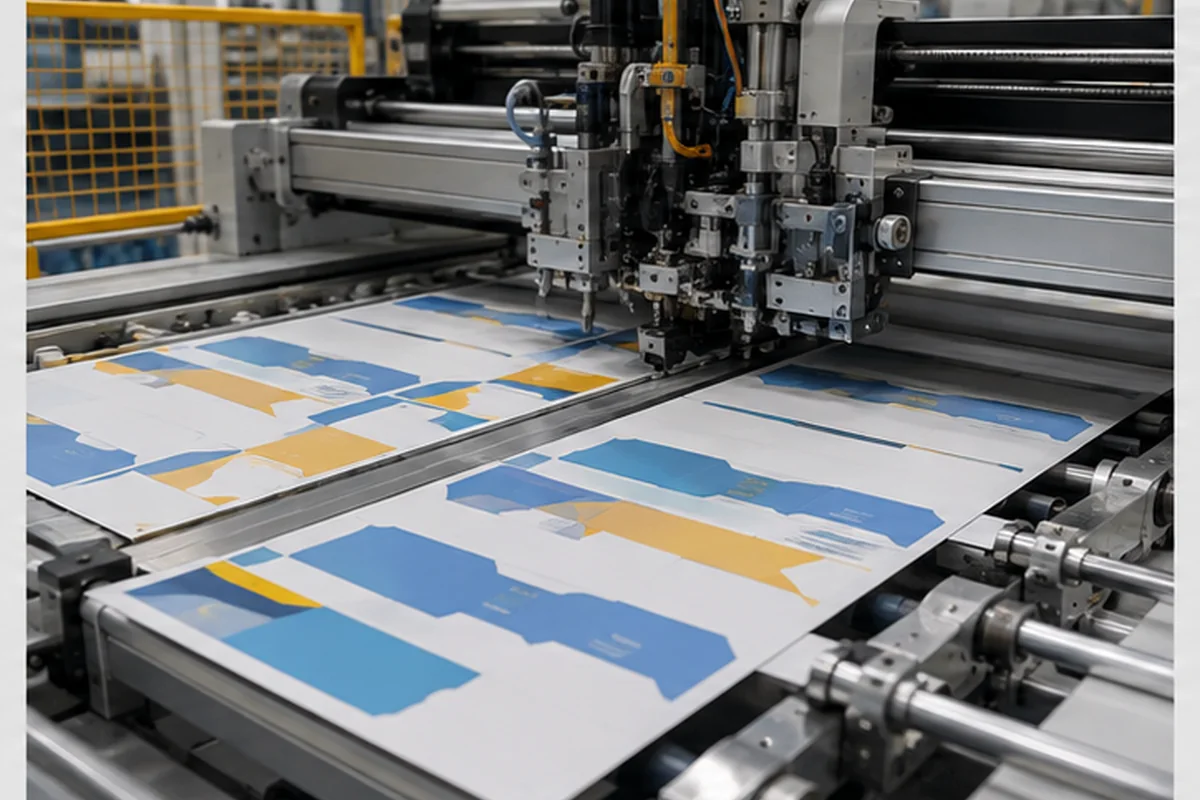
Product to Manufacturing Brief Stage 1: Translation.
It is information rather than ink that is used in production. The supplier needs the product size and weight, carton orientation, how it is packaged, quantity and the condition of retailing, channel of distribution, artwork requirements and mode of delivery.
Indicate the dimensions as internal or external and in what order they are mentioned. Physical product can be given out when feasible. A proper brief minimises the chances of coming up with a beautiful carton which is hard to pack or a carton that is too big.
Stage 2: Structure and Dieline Engineer.
The brief is converted into panels, flaps, locks, glue areas, cut lines and crease lines by a packaging engineer. This should be provided with a clearance of sufficient space in the building so that they can load and control the movement. Direction of grains and location of creases determine the folding behavior.
Now consider what the carton has to do stand on its feet, hang, stack, bear a load, withstand opening or provide a revelation. There are low‑cost changes that can be made prior to artwork and tooling.
Send Meiyin the size of your product, the weight and how you pack it in the carton to check it out.
Stage 3: Construct and Develop a prototype which is not printed.
The unprinted white sample will answer structural questions, but will not be distracted by graphics. Insert the real replica, all the flaps closed and repeat the opening process. Check panel bowing, corner checking, base stability and product removal.
A small packing trial will be carried out on the individuals or equipment that will be in the carton. Note unusual hand movements. The question of how to approve structure based solely on a screen leaves the question of whether to fit and assemble to chance.
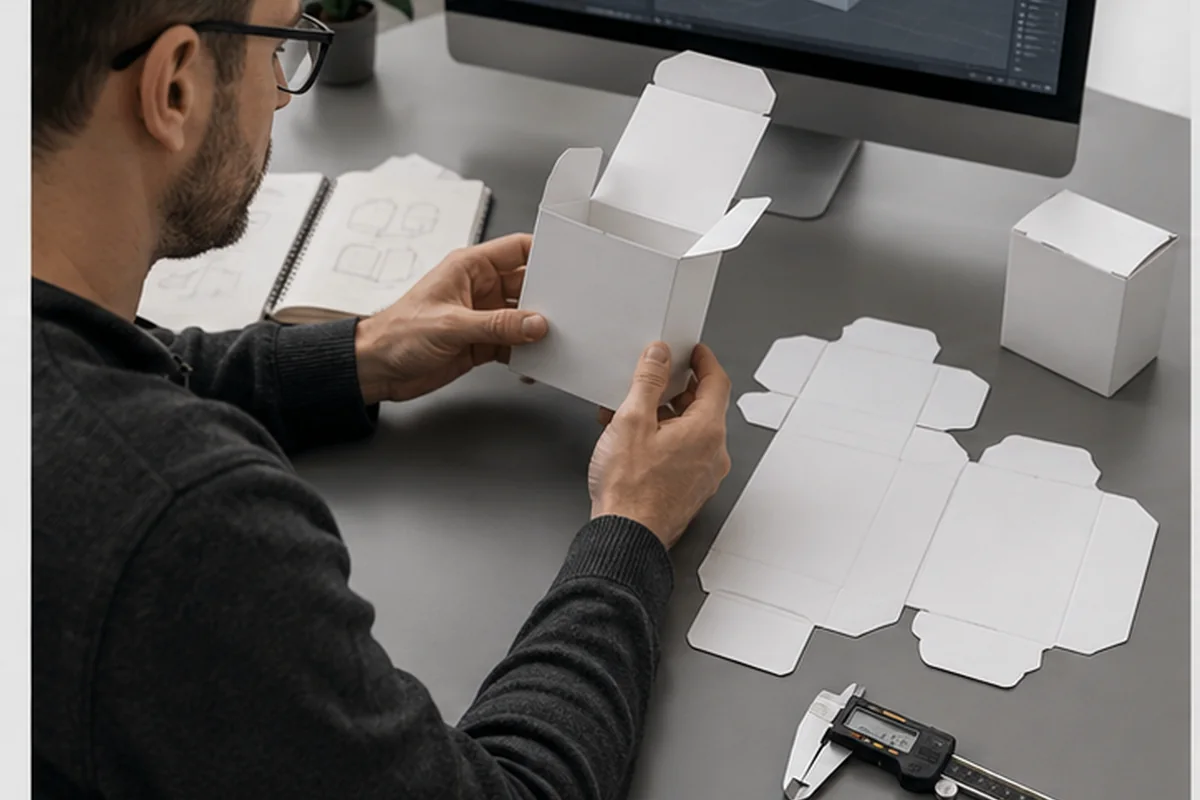
Stage 4: Ready Artwork to go to Production.
When the dieline is solid artwork is overprinted on the suitable panel with bleed, safe area, colour definition, image resolution and finishing layer. The scans and the necessary copy space should possess enough contrast and silent area.
Preflight examinations identify missing fonts, poor‑resolution pictures, unintentional overprint, erroneous spot colors and artwork encroaching glue areas. The panel map that is assembled must be checked with the flat file, otherwise text would be upside down once it is folded.
Stage 5: Print Paperboard.
Approved process is used to print the design onto the board. The process selection is done basing on the quantity, substrate, color expectations, versioning and economics. Where feasible, color judgment by use of an agreed reference under controlled viewing conditions should be used.
The dark ink covering the spaces surrounding folds is of interest since this could indicate the stress after creasing. Sheet planning and handling also varies in inside printing (where specified). The buyers should be in a position to distinguish the color proof and production sample: both can answer a variety of problems.
Stage 6: Apply Coatings and decorations.
The order that is used on the design is in harmony with the design requirement with protective coating, lamination, foil, embossing, debossing or spot effects. Any additional process adds alignment, adhesion and handling to it.
A finish must be a job that it provides tactile hierarchy, enhancing a brand mark, or providing a more tactile experience. Check the samples of the reviews not only the flat sheets since a surface that may appear to be so good prior to conversion might not act similarly at a crease.
Stage 7: Cut and Crease the Printed Paper.
Blanks are then divided by a cutting form and crease channels where folds are going to form are stamped. Registration should be in proportion to artwork and crease settings need to conform to board characteristics.
The operators evaluate the cleanliness of the cut and the depth of the creases, cracking and dimension of the panel. Too weak creases will tend to spring open; too much tension will cause a damaging board. The smaller errors are in case of a set of panels meeting at a corner.
Stage 8: Strip Waste, Fold and Glue.
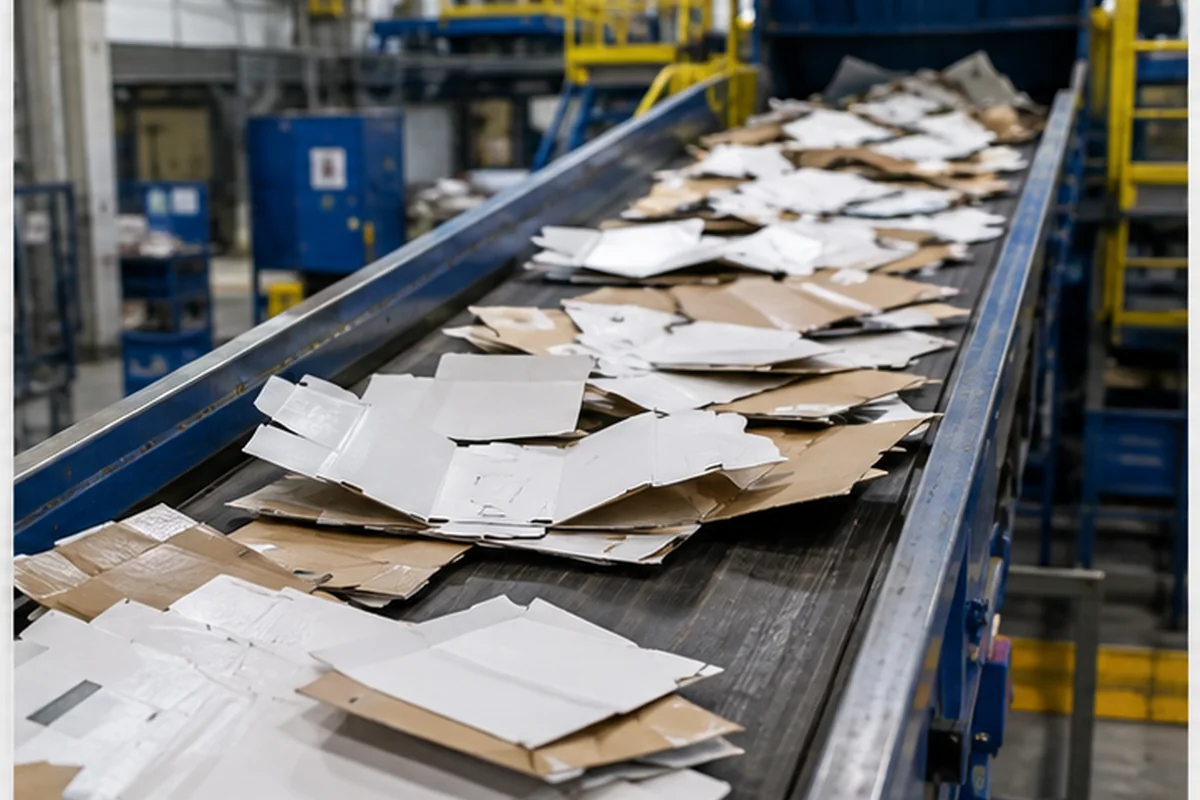
Waste board is stripped from the blank and the cartons go to folding and gluing. One side‑seam bond can be placed on a regular carton, but the auto‑bottoms or specialty structures would need more folds and bonds.
Bonds are affected by placing of glues, pressures and curing. Glued cartons should be capable of opening and being square. The pack‑out plan of the purchaser has to correspond to the delivery format: flat or pre‑glued, assembled.
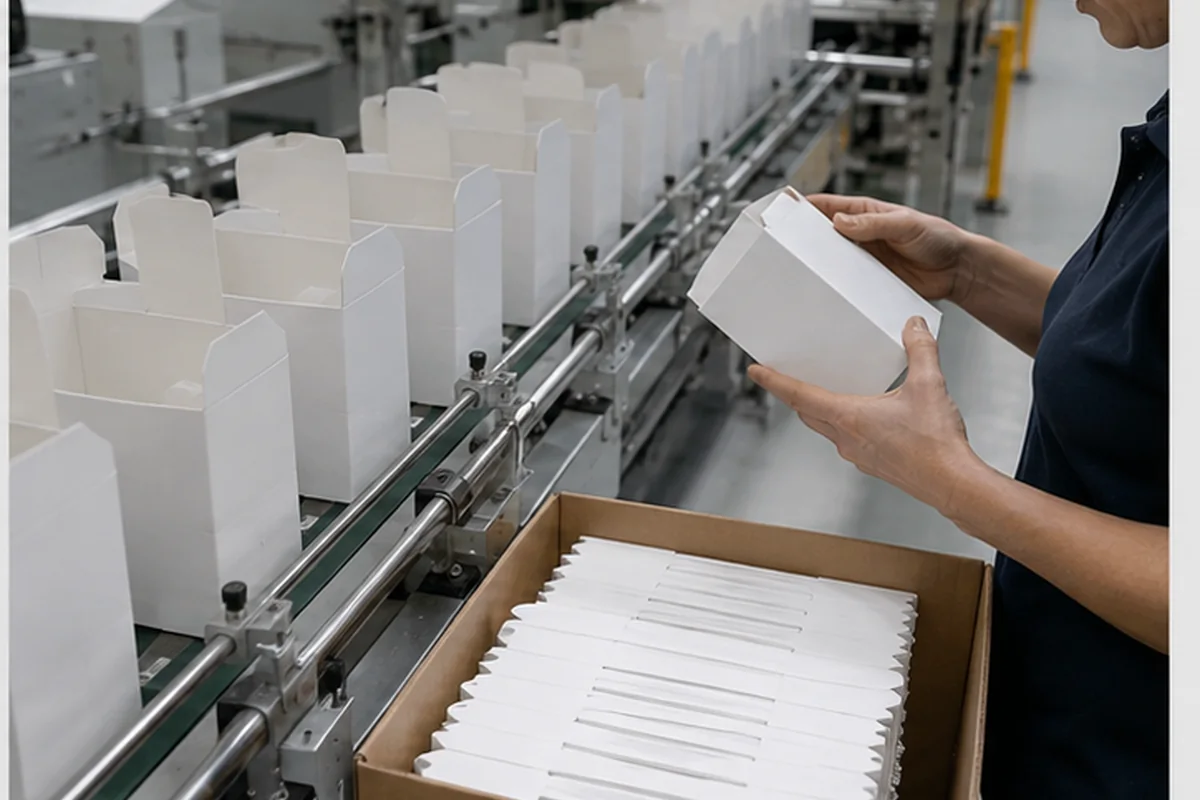
Stage 9: Check, Count and Pack to Deliver.
Checking of inspection samples can be done on dimensions, appearance on the print, registration, finish position, glue security, scuffing and carton performance. The acceptance criteria should be agreed on before production as opposed to being made as cartons are received.
The number of cartons is counted and packed to minimize edge damage, exposure to moisture and uncontrolled compressions. The older artwork should have the version and item used in its outer cases in order that they are not confused with the updated artwork in inventory.
Quality Gates using the Timeline.
| Gate | Evidence to approve | Main risk controlled |
| Brief | Specification and sample of the product that is written. | Wrong assumptions |
| Structure | Sample fitted and dielined with white. | Poor assembly/fit. |
| Artwork | pre‑flighted panel map and file. | Content/orientation error. |
| Color and finish | Relevant evidence/sample. | Appearance mismatch |
| Conversion | Folded production sample | Failure to break, weak locks or use of glue. |
| Shipment | Checking record and identification of cases. | Combination damage or transitional damage. |
Trace a One Carton Backwards.
When the defect has been spotted, retrace the chain. A lifting seam leads to the glue application, contamination or surface of board. Cracking can be due to board, grain direction, coating or crease settings. Off register graphics can be initiated in artwork positioning, print registration or die‑cut registration.
This view of process is superior to projecting all the apparent troubles on printing. Cartons are manufacturing systems that are coordinated by folding. Devolution of structures, graphics and production evidence individually will give a better control to the purchasers and faster deliberations regarding root causes.
Meiyin boxes range can be considered related paperboard formats.