



What are the various folding cardboard boxes?
Although there are many folding carton styles, there are three key features that can help you understand what you are looking at: the top fold closure, the bottom load-bearing structure and the blank assembly or glueing. The best carton type is that one that serves to protect the product, go through the intended packing process and provide the right opening experience without unnecessary board and labor.
Begin With Four Structural Families.
The most common commercial folding cartons are those of four basic families: tuck cartons, locked or glued bottom cartons, sealed end cartons, or two-piece/specialty cartons. Two cartons with similar structural behavior can be completely different in appearance when one is decorated.
When the blank is classified first, a common sourcing pitfall is avoided: sourcing based on photos, with no knowledge of how the blank will be filled, closed and shipped.
Regular Tuck End Cartons
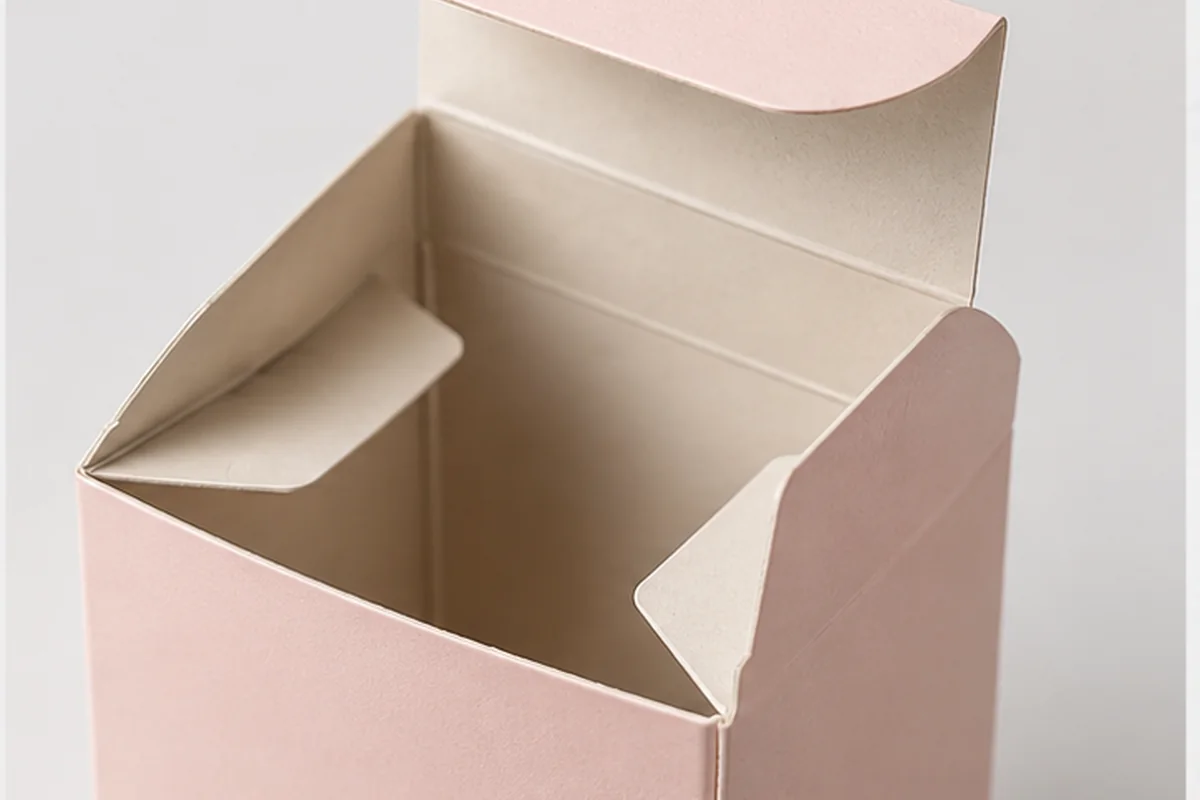
A straight tuck end or STE is a tuck end with both tuck flaps closed in the same direction, as indicated by the arrows. Great for when seamless front art is a priority, all of its display panel is continuous. For use in cosmetics, personal-care products and small electronics and other light retail products, it's frequently being considered.
An opening orientation needs to be reviewed during the dieline process. With both closures positioned in the same direction, panel planning if careless, can result in the location of a seen in an undesirable position, or in opening pressure hitting a panel. Testing for product weight and flap retention should be done with actual product contents.
Reverse Tuck End Cartons are cartons that can be opened from the end and the side.
RTE or reverse tuck is an end closure that is as follows: the top is tuck closed against the bottom. It is a versatile layout that can make effective use of the board for a variety of proportions, and is popular in small consumer packaging.
RTE is not necessarily the superior option to STE; buyers should account for the following when making a decision: glue-seam visibility, panel sequence, filling direction, and carton presentation on shelf. A physical blank will very rapidly show you the natural feel of a particular orientation.
Bottom Lock Cartons that grip automatically.
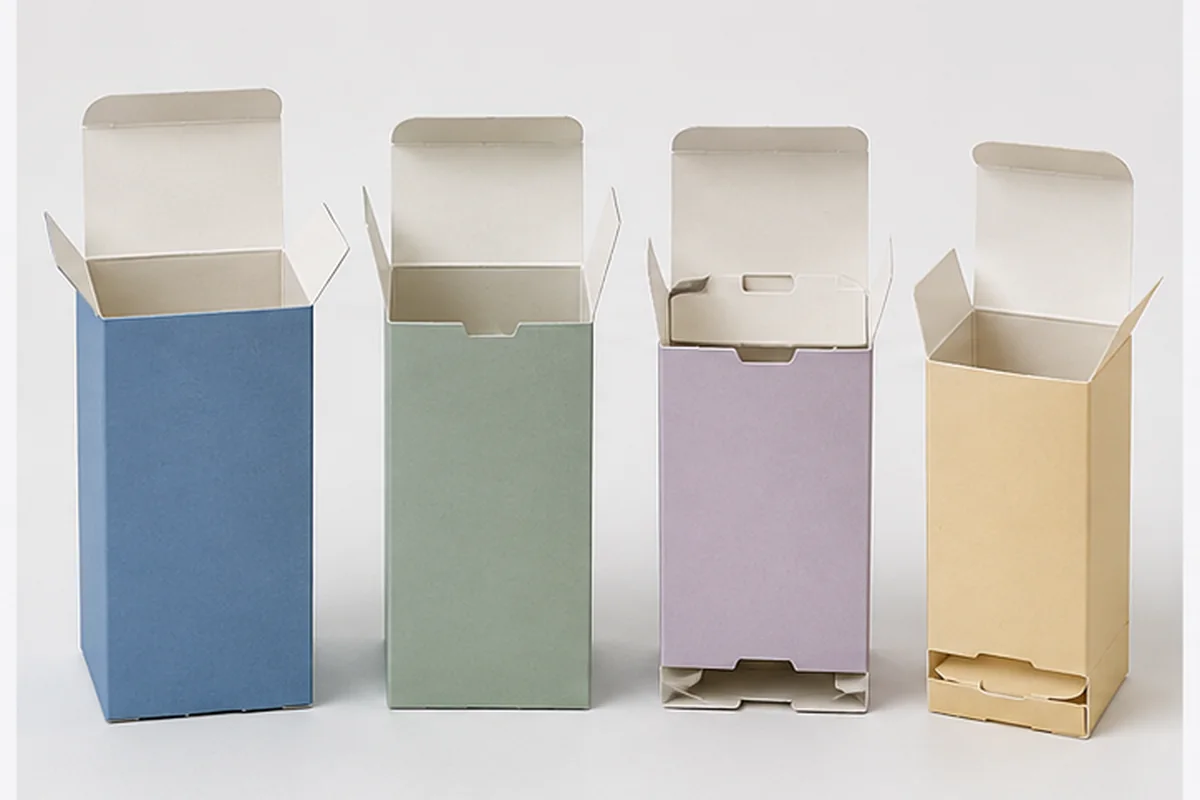
Auto-lock bottom is pre-glued to create the base when the carton opens. It can decrease hand bottom fitting and support more products than tuck bottom that are applicable. It frequently is assessed for bottles, jars and other products in which pack-out speed or base security is of concern.
The extra converting complexity should have its worth. Evaluate base opening consistence, flatness of base and operator's ability to feed product without snagging internal flaps.
Bottom Cartons that lock in place.
A snap-lock or 123 lock bottom is a collection of interlocking flaps that are arranged sequentially. It may act as a secure base, but is a more operator-intensive solution than an auto bottom.
This type may be appropriate for moderate product loads, and packing lines where hand erection is feasible. Provide packers with a numbered assembly sample and time realistically to pack, a structurally sound carton may actually prove to be a poor commercial choice if it slows fulfillment.
Seal-End Cartons
Seal-end cartons are sealed by adhesive and not by reusable tuck flaps. They can be used for automated packing and give a closed presentation, with the proviso that the sealing equipment and sealing system are suitable.
Not by default tamper evident packaging. If the evidence of opening is necessary, the entirety of the seal, substrate and opening behavior must be designed and validated for this purpose.
Sleeve-and-Tray Cartons
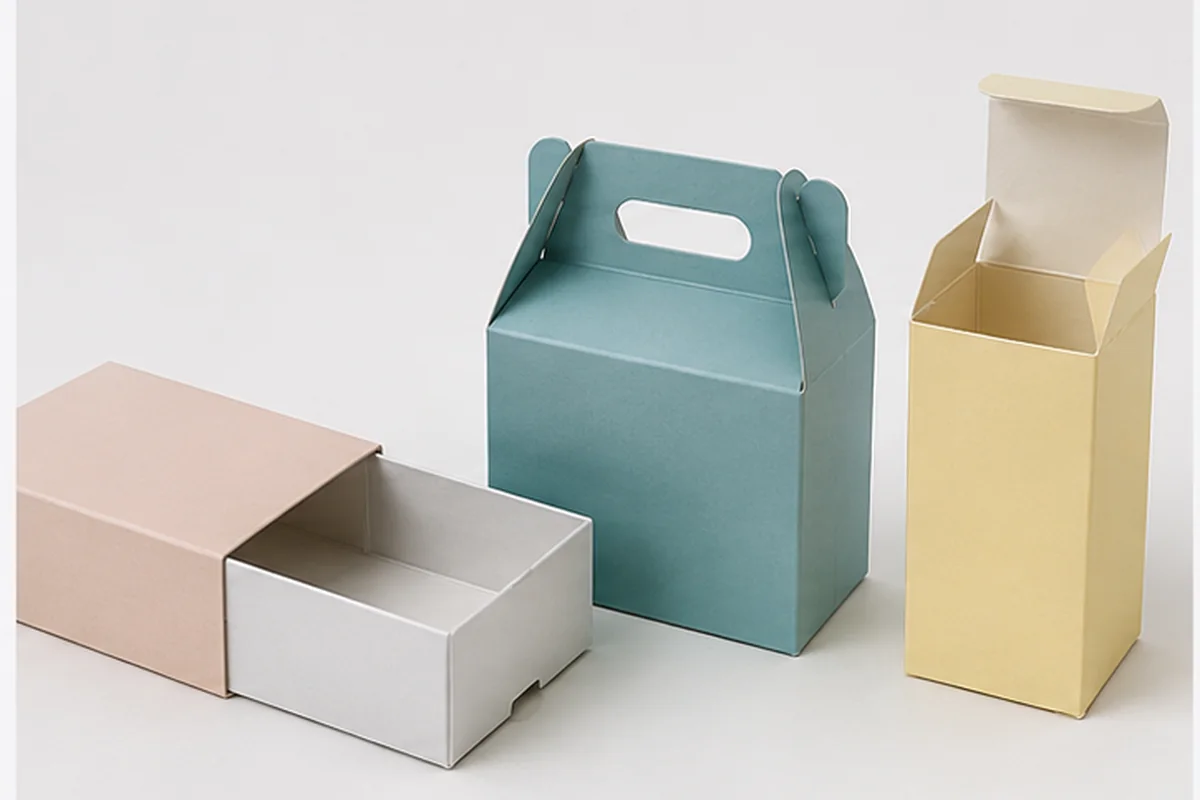
A sleeve fits over a tray or is wrapped around another main pack. This format provides the ability to separate the reveal from the outer branding surface and is suitable for sets, confectionery, accessories and promotional presentations.
The two components add material and assembly aspects. Give details of "sliding clearance" and "orientation", stop features and how the product is maintained in the tray. If it is too tight there will be scuffing or if it is too loose the pack will feel loose.
Gable and Handle Cartons:
Gable cartons are used to join the upper sections into a handle-like top. They provide a unique gift wrap and gift carrying solution for gifting, foodservice and promotional gift kits.
The handle area magnifies the force and the tests should be conducted with the product filled and for the intended distance of carry. Graphic designers also need the assembled view as the panels which appear stand alone on a flat dieline will converge at prominent angles.
Windowed Folding Cartons
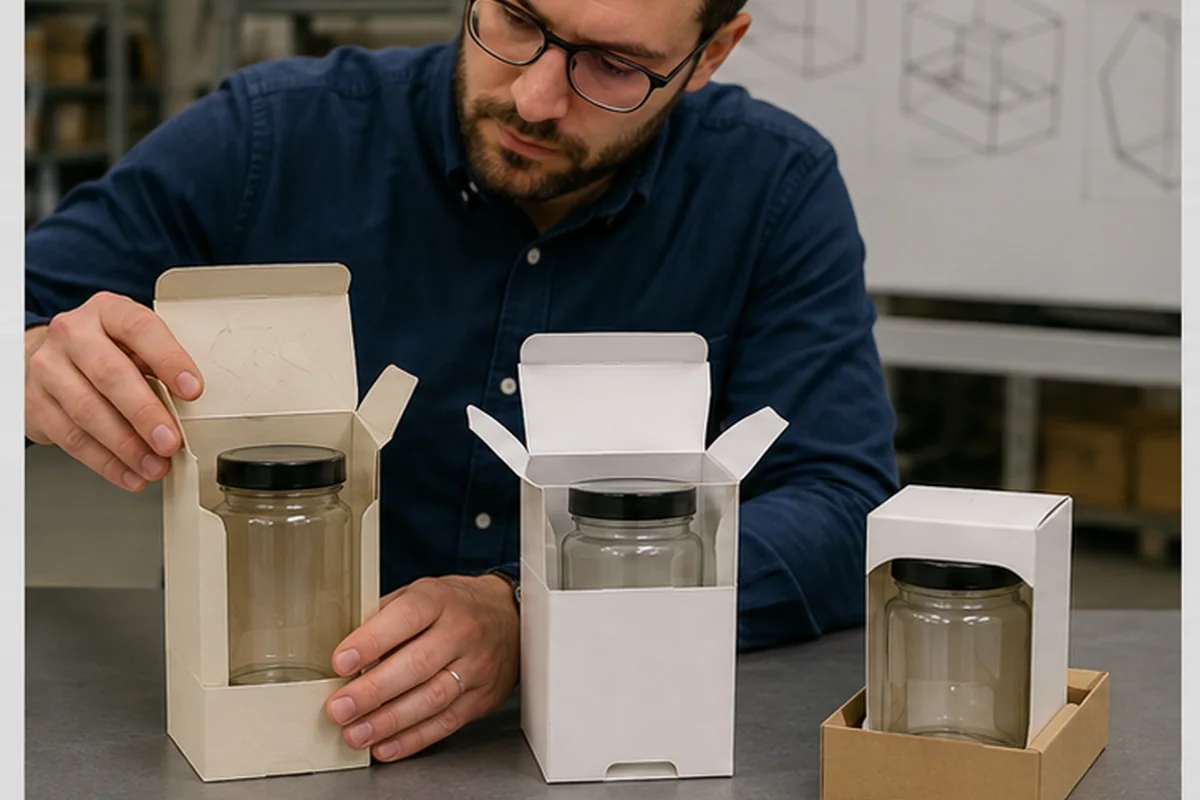
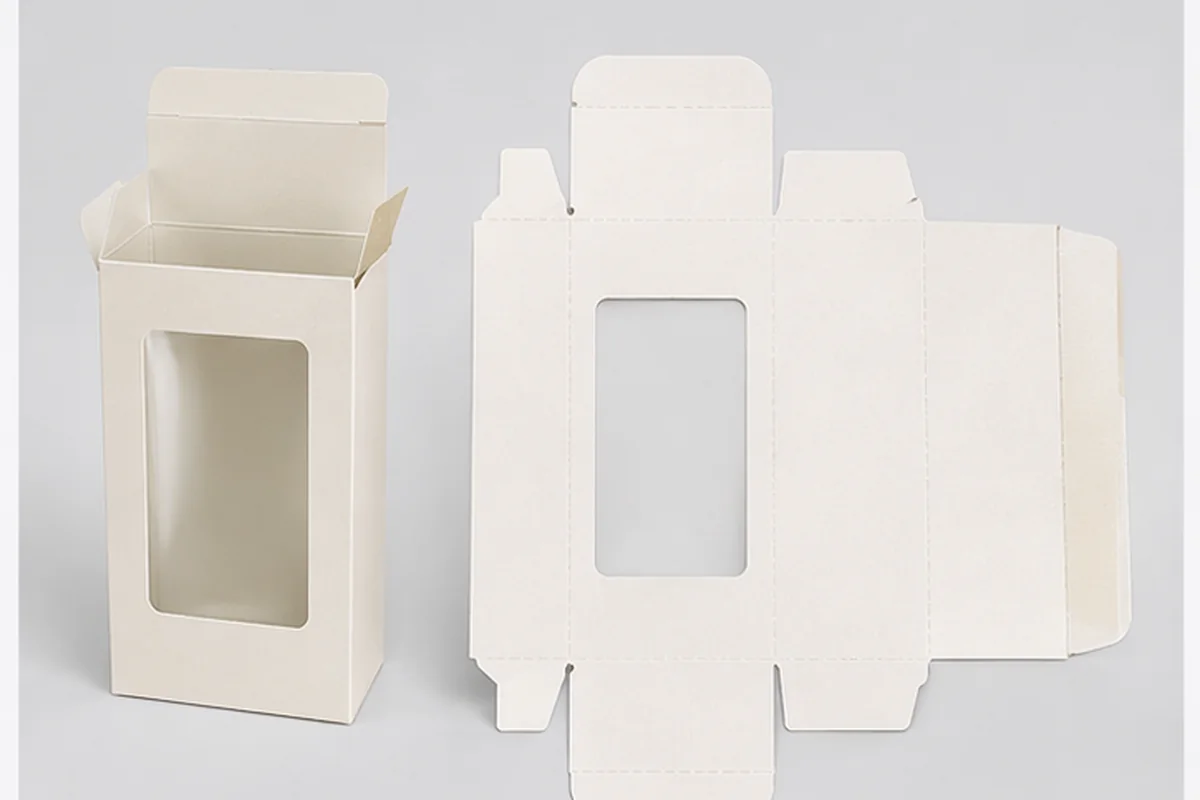
Several structural families can have a window added to them. It allows product colour and shape or texture to be shown, and yet still enables the branding. It can be left open or have a transparent film protection according to the market requirements and protection.
Windows can remove board from a panel and can make material separation more difficult. Avoid critical creases and load paths; check if product is visible or not after inserting into film; decide if film is really necessary.
Folding Carton Type Reference Table
| Carton type | Main benefit | Packing consideration | Verify before approval |
| Straight tuck end | Continuous presentation panel | Closure orientation | How the flaps fit and the location of the seam position. |
| Reverse tuck end | Efficient common format | Opposing tuck direction | The order in which the containers are filled and opened. |
| Auto-lock bottom | Fast base formation | Pre-glued conversion | The opening of the bases and support for loading. |
| Snap-lock bottom | Interlocking base | Manual assembly steps | Pack-out time and flatness of the packs. |
| Seal end | Adhesive closure | Sealing equipment | Bond consistency and opening behavior. |
| Sleeve and tray | Controlled reveal | Two-component assembly | Sliding clearance and product retention, that is, the product is retained within the sliding mechanism. |
| Gable carton | Carrying feature | Complex top erection | Filled-handle strength |
| Window carton | Product visibility | Cutout film, optional film | The route for panel strengthening and recycling. |
Identify a Carton from its Flat Blank:
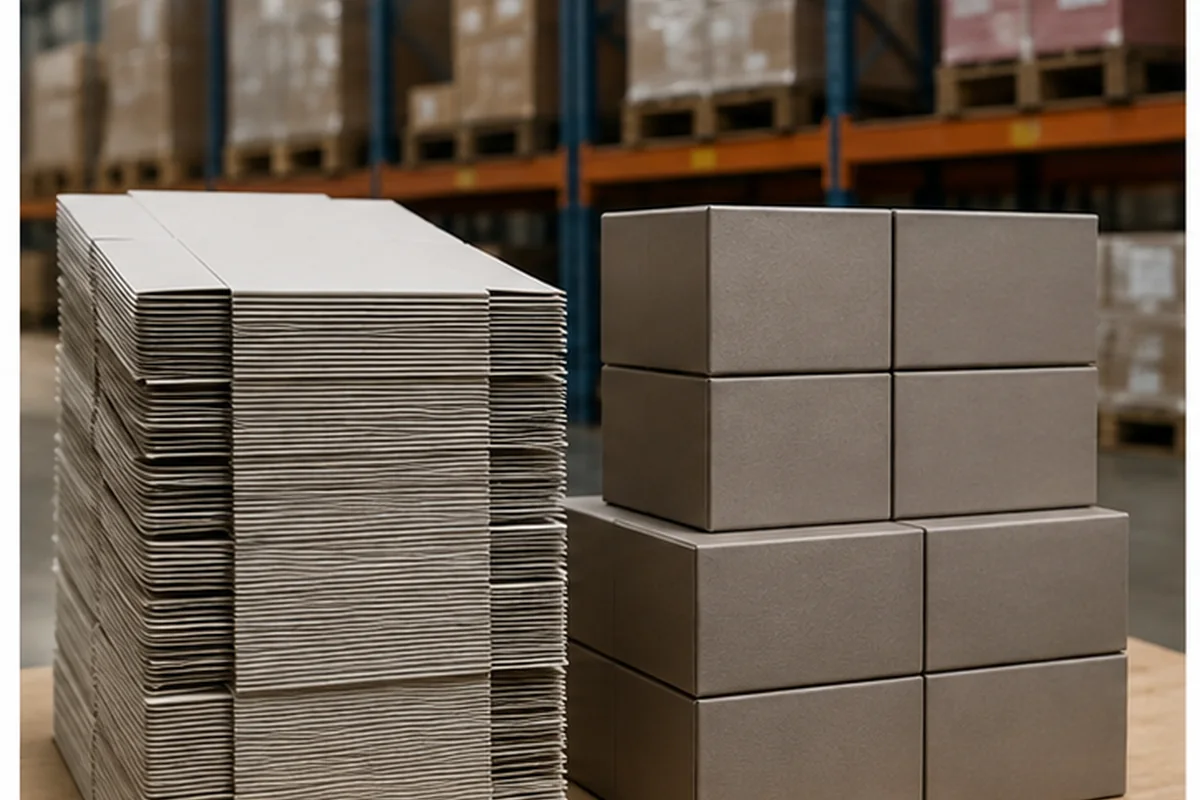
Start with the glue flap and followed by the four body panels. Find dust flaps, tuck flaps and bottom locks. Typically, the diagonal folds are pre-glued, meaning it is an automated base or interlocking bottom shapes are indicative of a snap-lock design. Sleeves and trays are suggested by separate pieces.
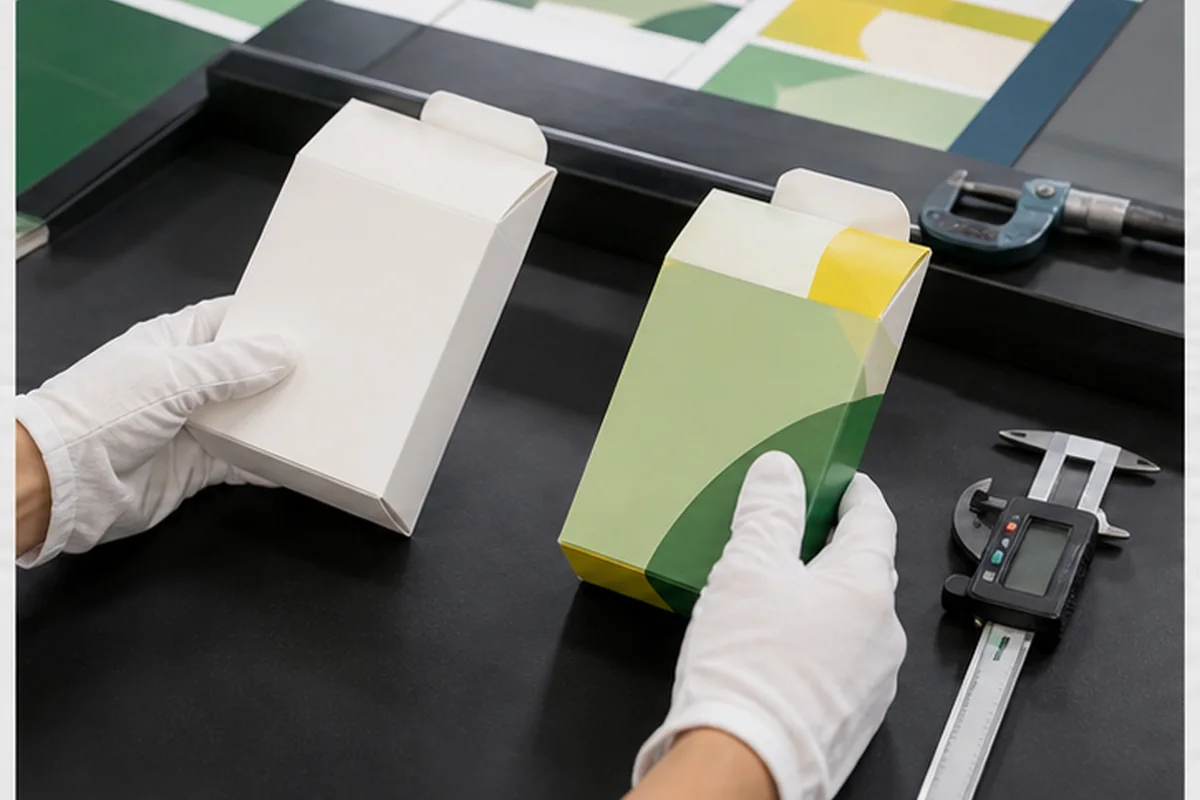
Prior to art work, indicate front, back, top and filling direction. Then fold a hand printed sample. A dieline is not just an art border, it's the pack's map.
Select by Function, Not by Name
Industry names may vary from supplier and region to region. Include a dieline and assembled photo and a product sample along with the style name to allow all to be talking about the same structure. In writing, verify dimensions, board, grain direction, closing and delivery method.
The final selection should be verified by the actual product and channels. Only when the packaging structure, material, and process are in harmony, can the familiar carton type be an effective packaging.
Make sure to consult the Meiyin papers box products to find the formats applicable to your project and share them on the contact page for review for a project.