




What Is a Folding Carton Box? Structure, Materials and Uses Explained.
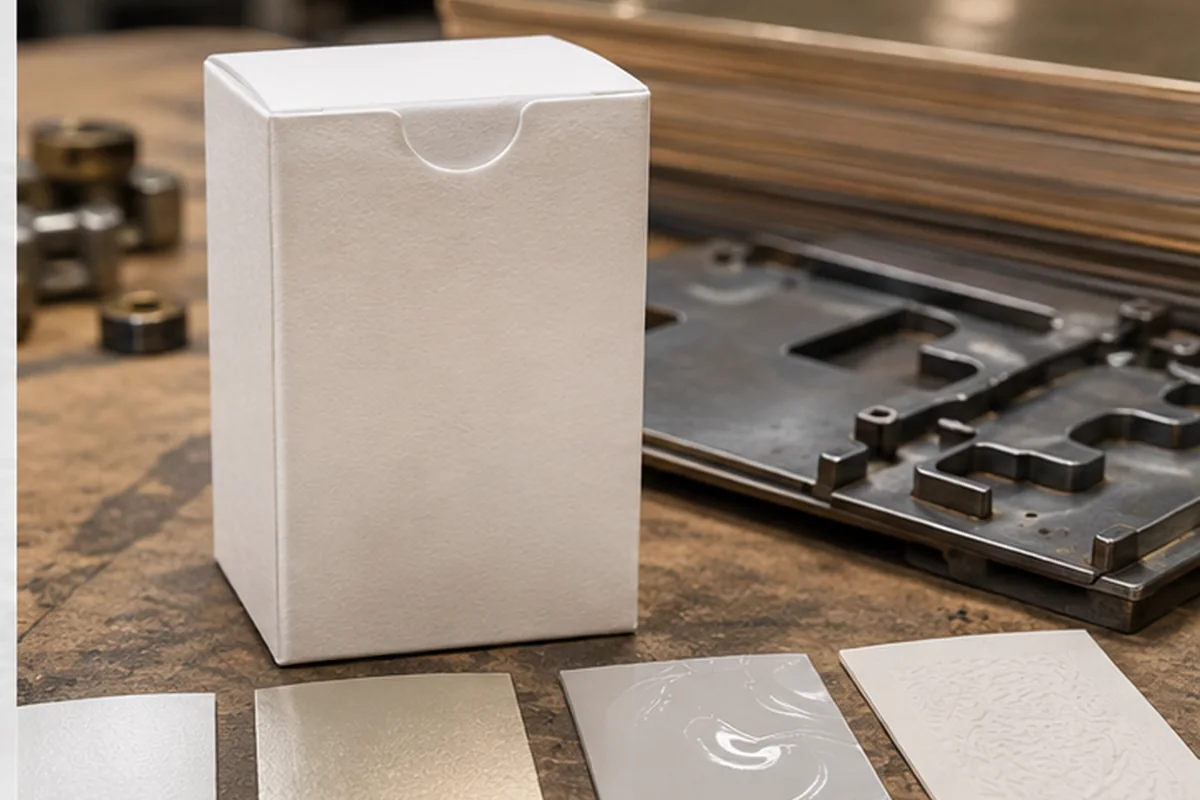
A folding carton is a paperboard container that is printed, cut and creased into a flat blank and folded and typically glued into a three‑dimensional container. It is widely utilized as retail secondary packaging of cosmetics, personal care, food, pharmaceuticals, electronics accessories and other comparatively light packages. Its creep performance is determined by board and structure, dimensions and closures and any inserts or coatings.
From Flat Blank to a Final Carton.
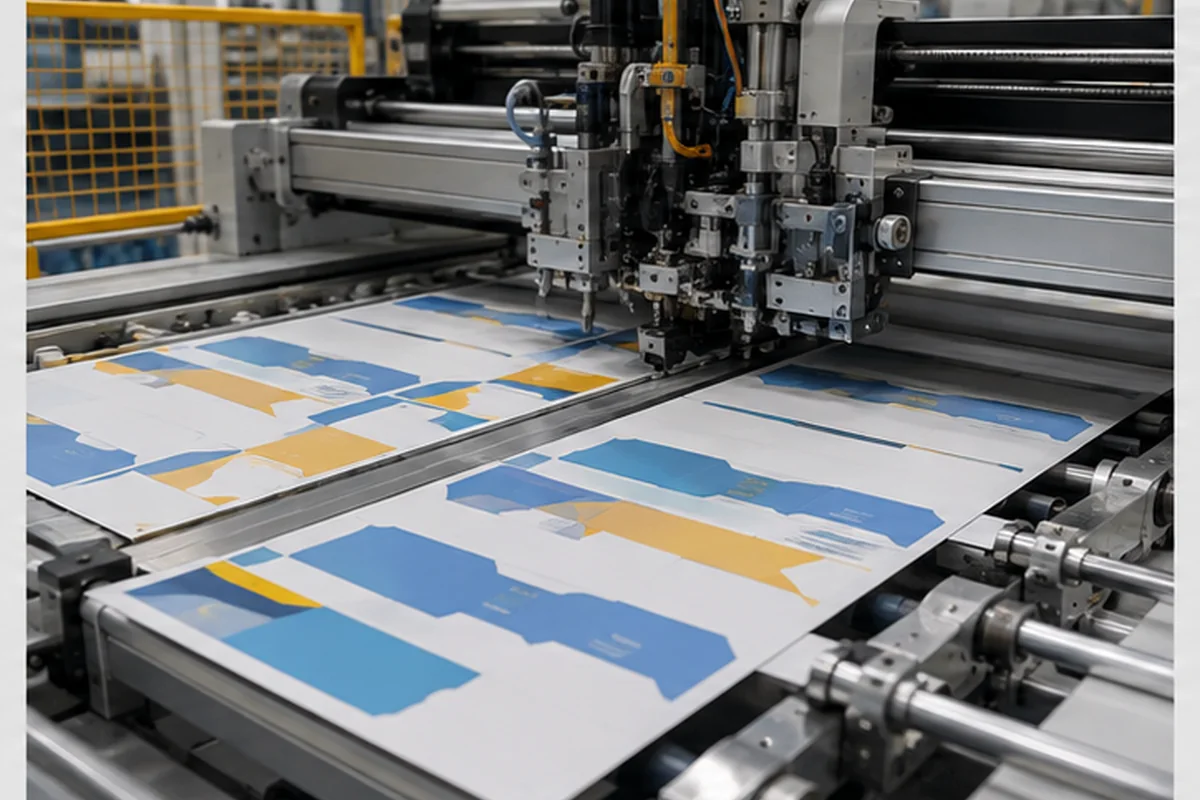
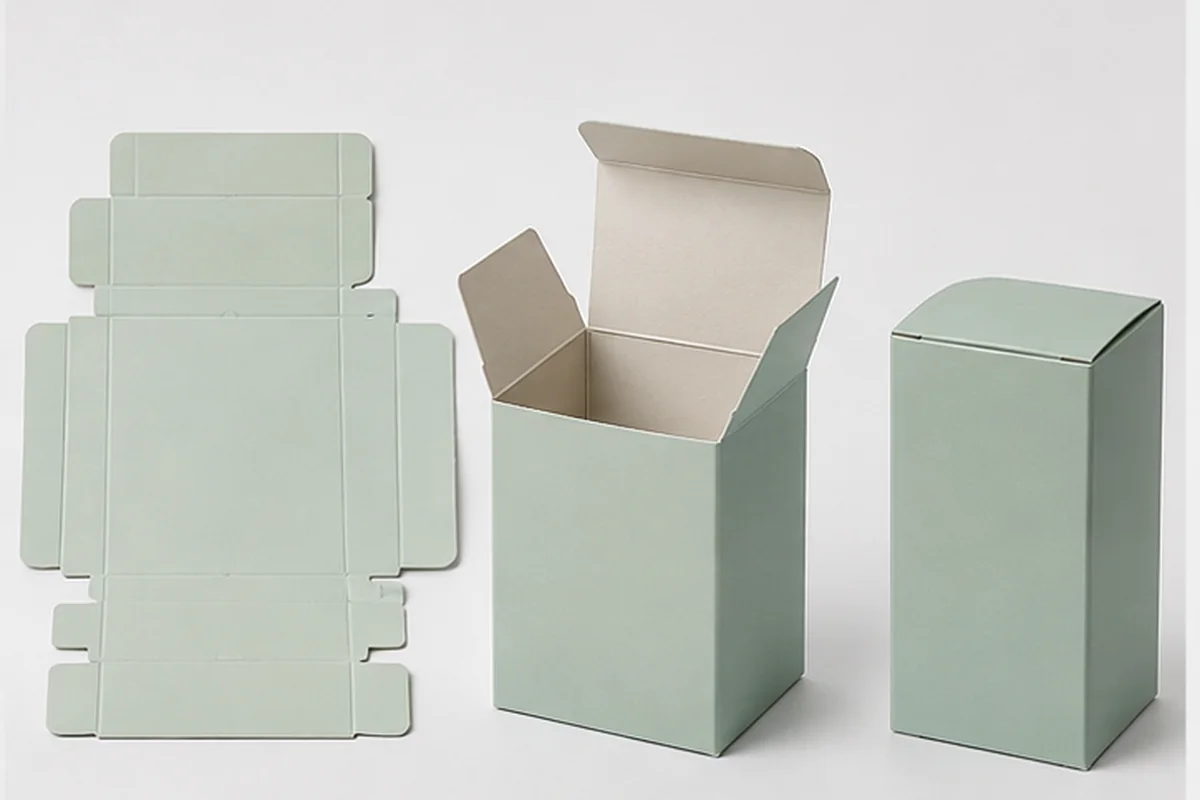
All panels, flaps, creases and glue areas needed to make the Box are in the flat blank. Die‑cut printed sheets are cut to outline and creased at places that the board should cross over. A converter can stick down one or more seams prior to the cartons being shipped flat. The packer opens carton, closes the bottom and places the product and closes or seals the top.
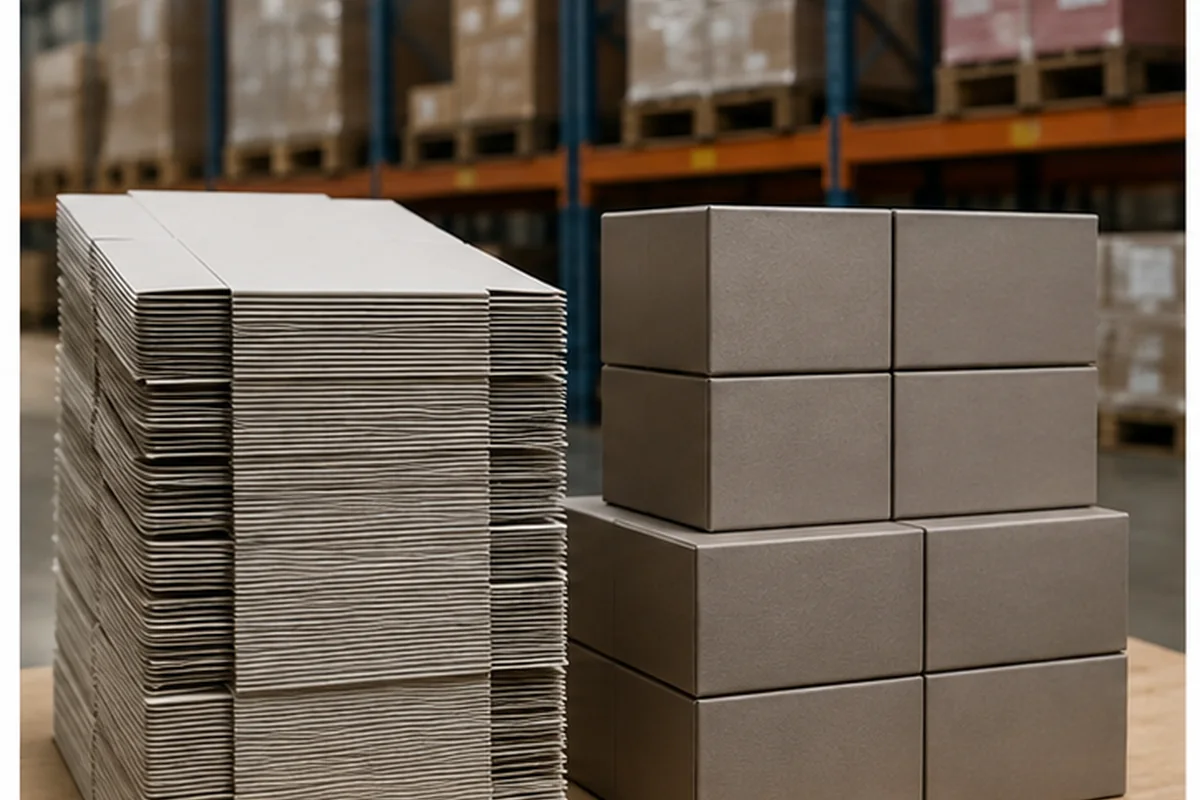
This translation of the flat to the volume differentiates folding cartons and most Rigid Boxes since the latter often come as formed items. In flat delivery, less storage volume can be achieved; however, the buyer will need to consider the behaviour of assembly and packing.
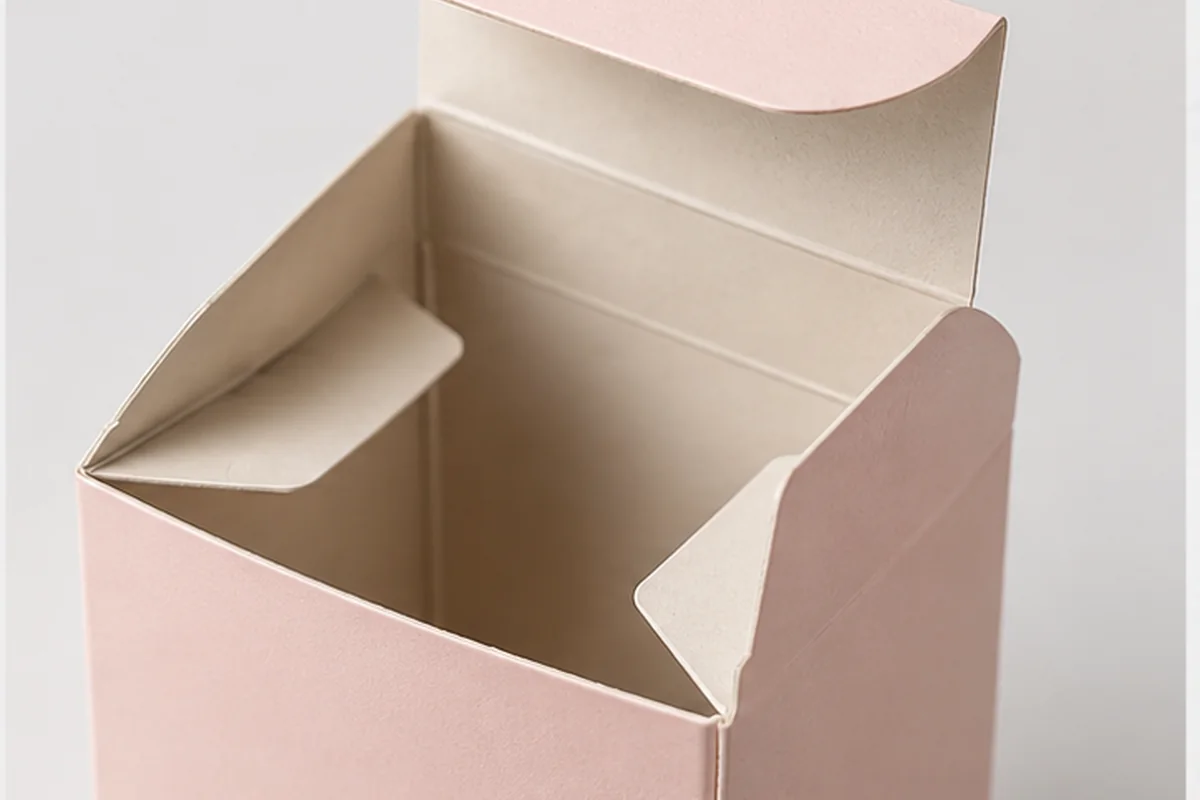
The Five primary parts of a Folding Carton.
Panels
The front, back and sides are made up of panels. Their size determines the inside space and the main surfaces where branding and the necessary information are needed.
Flaps
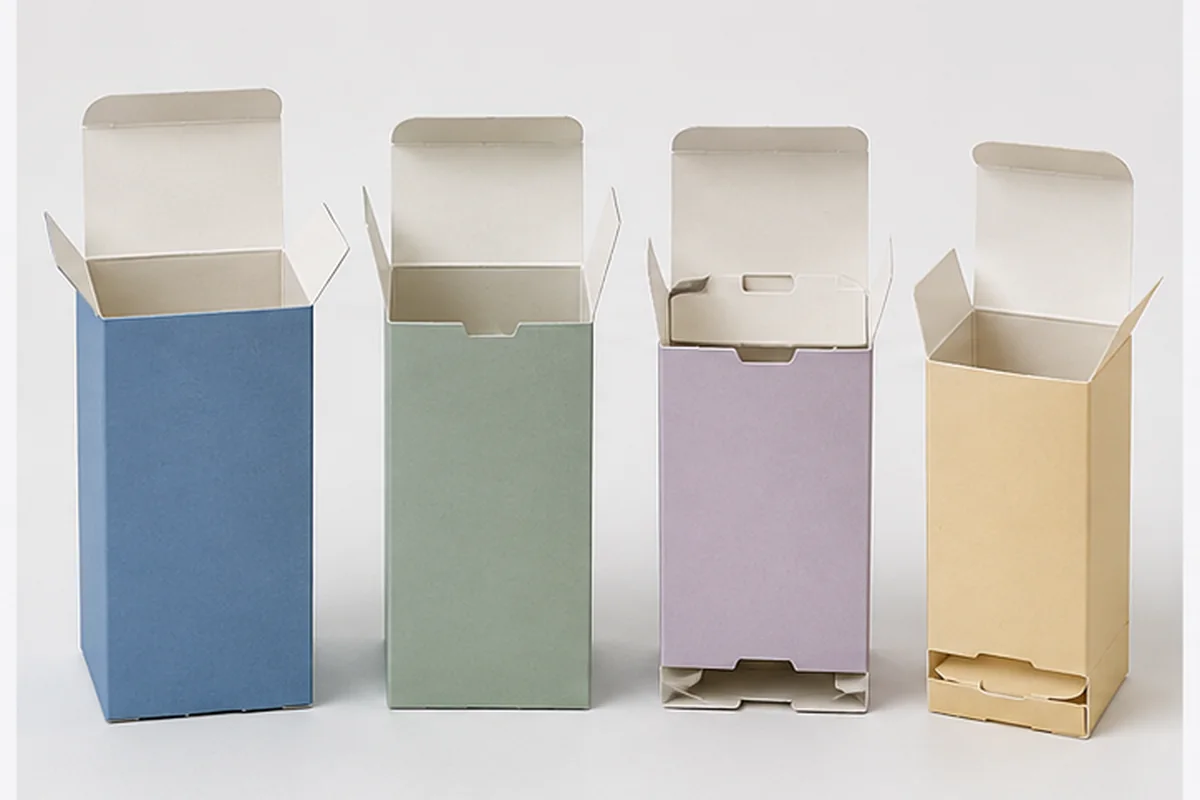
Panels are joined by flaps at the top and bottom. Tuck, lock and seal designs offer various opening, security and assembly features.
Creases
Creases are what steer folds by squeezing or pushing fibers into a coordinated line. Bad crease design may result in cracking, resistance or a lumpy carton.
Glue Areas
The carton ends or body are sealed by glue flaps. Adhesive performance should not be interfered with by artwork and critical information.
Die‑Cut Edges
The outline, slots, windows and locking features are defined by the die. The impact of cut quality relates to assembly, exposed edge look and safety.
Paperboard Materials.
Whiteboards are brightly printed and support fine graphics. Kraft paperboard will provide it with natural brown appearance and alternative printing background. There can be recycled‑ content and coated grades as well. Mill and market names and property vary, and it is the seller, and buyer habit to make correct specification.
Grammage and stiffness Thickness, grammage and stiffness are interrelated but not interchangeable. Different types of boards at the same GSM can also have different behavior due to the fiber composition, density and construction. An informative number is better than a number alone.

Folding Cartons In Use.
Cartons are used by the retailers to safeguard, bundle, present and communicate products. Tuck cartons are suitable to most of the small packaged goods. Manual packing of the heavier contents can be expedited by use of auto‑bottom. Sleeves provide branding on the trays or containers. The film and opening should be constructed to enable the view of the product in window cartons.
The carton can either be in direct contact with the product or be secondary packaging to a bottle, tube, pouch or a device. Direct contact with food or pharmaceutical presents a need that cannot be extrapolated out of general paperboard packaging.
What a Folding Carton Is Not.
A folding carton is not necessarily a corrugated shipping box. Corrugated board is a board with a fluted layer, which is usually utilized in protection. A rigid box is typically made with a thick bottom board covered with paper and does not collapse in regular folding lines. A paper sleeve does not include enclosing panels, the entire set of which is absent unless used alongside another part.
Sales catalogues will have a loose use of terms. Require dieline, material specification and assembled sample where the distinction has an impact on storage, packing or performance.
Benefits and Workable Limitations.
Folding cartons have ample printing area, a wide selection of closure, flat storage facility and are reasonably light to build. They are able to incorporate windows, hanging tabs, locking bottoms, tear function and paperboard inserts. A lot of printing and finishing methods can be applied to their surfaces.
Limitations are moisture sensitivity, compressional limitations and potential folds breakage. Nevertheless, not all products can be substituted with a thin carton in place of transit packaging. They may need to be reinforced, have an outer corrugated case or inserts where heavy, fragile or irregular items are involved.
The Folding Carton Specification How to Read It.
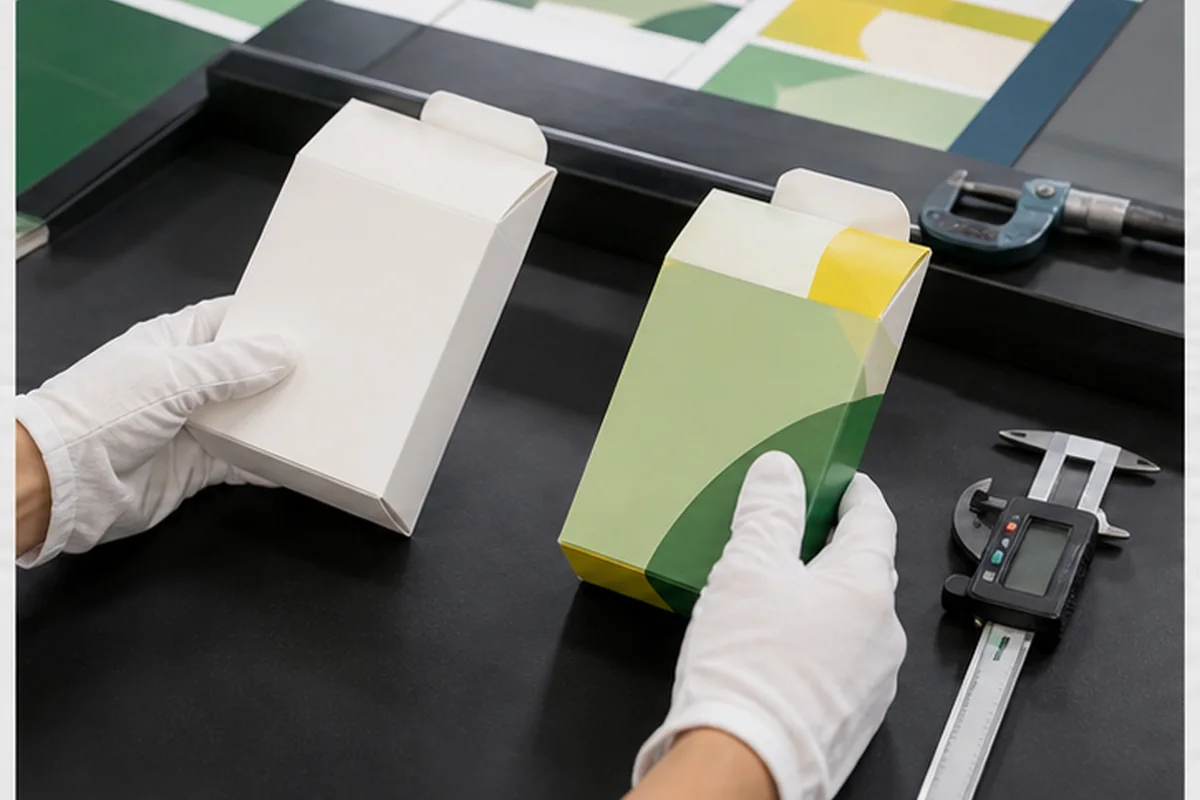
Start with internal length, width and depth and ensure that the dimensions follow order. Determine name of structure and dieline revision. Record board grade, thickness or grammage, grain direction (where applicable), print process, colors, coatings, finishes, window or insert material, glue points and packing direction.
The specification must also indicate the style of arrival of cartons either as a flat pack, to be glued or assembled, the number of cartons per case and which physical sample signifies approval. Use caution not to accept statements like standard cardboard without a reference to the material.
Folding Carton Glossary
| Term | Meaning |
| Dieline | Technical, layout with cuts, creases, panels and flaps. |
| Blank | Die‑cut and then carton forming. |
| Tuck flap | Flap attached to the carton to close an end. |
| Glue flap | Thin strip end bonded to make the carton body. |
| Caliper | Physical board thickness |
| Grain direction | Main fiber orientation influencing folding behavior |
| Score or crease | Ready line that directs a fold. |
| Carton style | Panel arrangement, fixing and forming technique. |
Read a Folding Carton as a System.
Do not check the printed front panel alone when testing a sample. Track the carton since the delivery in flat, erection, filling, closing, case packing, shelf display and opening. The different stages present a new need. Glue flap influences squareness, crease influences opening force and panel size influences product fit and logistics.
Supplier discussions are also explained using this system view. An order To have a paper box such as this picture tells about the appearance, not performance. An effective brief ties the flat blank, material, manufacturing process and packed product. The connection is what transforms paperboard into a folding carton instead of a prototype.
To take a real world example of products, look at the paper box products displayed by Meiyin. Structuring is something that must be checked with the product as opposed to being figured out of a photo of the product.